THE ADVENTURE COLLECTIVE® · Independent discovery and booking for outdoor travel

Walk from Dhulikhel along ridgelines and terraced fields to the sacred Namobuddha Monastery. This guided day hike blends mountain views, village life and a spiritual destination—ideal for those with moderate fitness.
Walk from Dhulikhel along ridgelines and terraced fields to the sacred Namobuddha Monastery. This guided day hike blends mountain views, village life and a spiritual destination—ideal for those with moderate fitness.
Early morning light spills across terraced fields as the trail lifts from Dhulikhel’s village lanes and follows a wind-sketched ridgeline toward Namobuddha. Pine-scented air pushes at your face; distant peaks—Langtang, Gaurishankar and, on a clear day, the white edge of Everest—stand like a row of patient sentries. The path alternates between packed earth, stone steps and narrow farm tracks, passing thatched houses and prayer flags that tug at the breeze.
Verified experiences and guided adventures in the surrounding area.
Operated by Luxury Holidays Nepal Pvt. Ltd. · Dhulikhel, Bagmati Province
Early morning light spills across terraced fields as the trail lifts from Dhulikhel’s village lanes and follows a wind-sketched ridgeline toward Namobuddha. Pine-scented air pushes at your face; distant peaks—Langtang, Gaurishankar and, on a clear day, the white edge of Everest—stand like a row of patient sentries. The path alternates between packed earth, stone steps and narrow farm tracks, passing thatched houses and prayer flags that tug at the breeze.
This route threads history and belief into the landscape. Namobuddha’s monastery marks a legendary Jataka tale in which the bodhisattva offers his body to a starving tigress—an origin story that shapes the place’s stillness and rituals. Geologically you’re walking the Himalayan foothills: folded shale and sandstone foundations, terraced on steep slopes for rice and millet. The culture here is Newari and Tamang—communities who keep communal agriculture, local tea houses and wood-carved doorways alive.
Expect 8–10 km of walking with roughly 200–400 m of net elevation change depending on chosen route and starting point, over varied terrain that can be rocky or muddied after rain. Guides often include stories, snacks and a packed lunch; monks’ chants and monastery courtyards offer natural breaks for reflection.
Practical notes: start early to catch clear mountain views and avoid midday heat; carry 1–2 liters of water and sun protection; sturdy shoes with good grip handle stones and steps; modest clothing is required at the monastery. The outing is manageable for anyone with moderate fitness and rewards steady pacing with panoramic Himalayan light and genuine village encounters.
Typical guided outings run 6–8 hours total door-to-door; walking distance is about 8–10 km depending on the route and stops.
Yes, if you have basic fitness and can handle uneven terrain; guides set the pace and can adjust stops for comfort.
Most tours include a packed lunch, bottled water and hotel pickup/drop-off—confirm when booking private vs group options.
No—elevations are modest (around 1,500–1,800 m); typical day-hike symptoms are uncommon but stay hydrated and go at a steady pace.
Luxury Holidays Nepal Pvt. Ltd. operates guided outdoor trips and adventures with an emphasis on safety, stewardship, and memorable experiences.
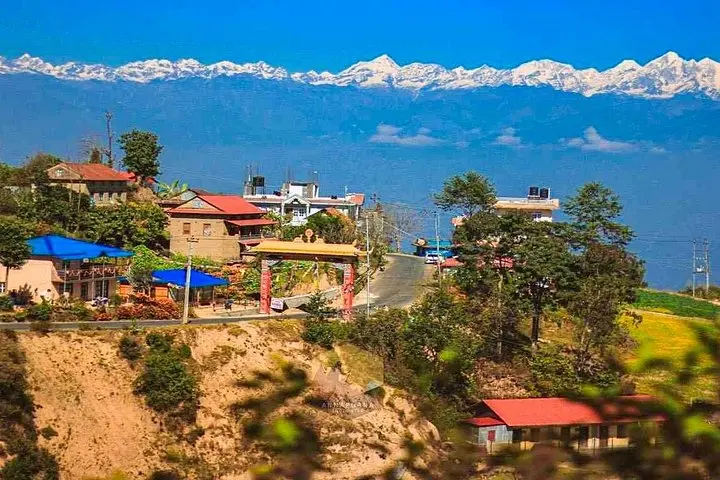
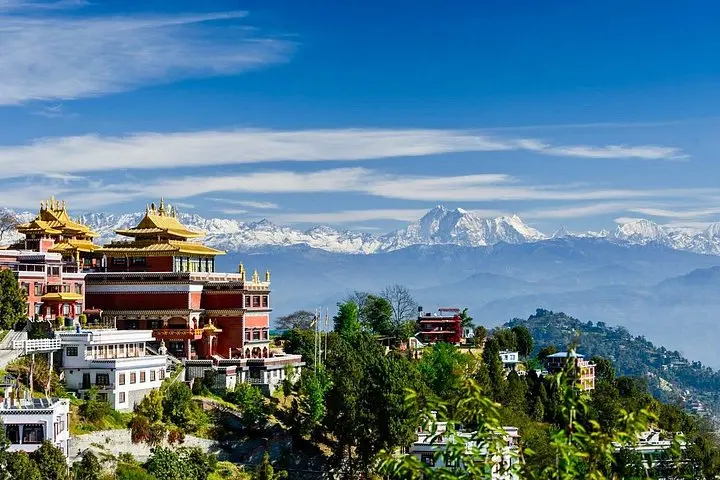
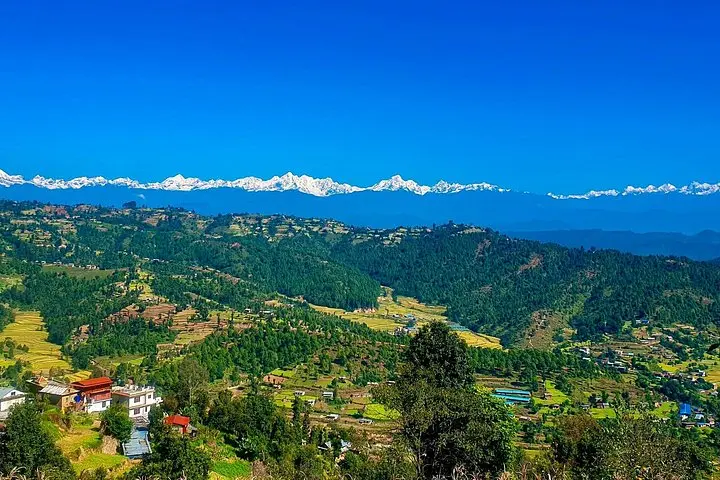
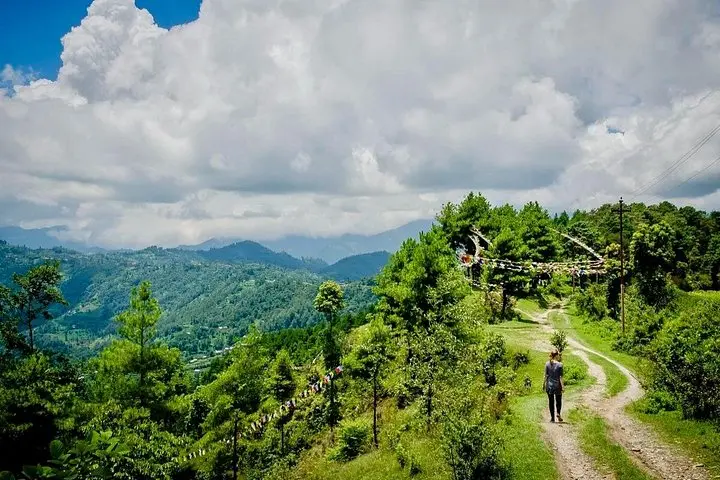
Early morning light spills across terraced fields as the trail lifts from Dhulikhel’s village lanes and follows a wind-sketched ridgeline toward Namobuddha. Pine-scented air pushes at your face; distant peaks—Langtang, Gaurishankar and, on a clear day, the white edge of Everest—stand like a row of patient sentries. The path alternates between packed earth, stone steps and narrow farm tracks, passing thatched houses and prayer flags that tug at the breeze.
Early morning light spills across terraced fields as the trail lifts from Dhulikhel’s village lanes and follows a wind-sketched ridgeline toward Namobuddha. Pine-scented air pushes at your face; distant peaks—Langtang, Gaurishankar and, on a clear day, the white edge of Everest—stand like a row of patient sentries. The path alternates between packed earth, stone steps and narrow farm tracks, passing thatched houses and prayer flags that tug at the breeze.
This route threads history and belief into the landscape. Namobuddha’s monastery marks a legendary Jataka tale in which the bodhisattva offers his body to a starving tigress—an origin story that shapes the place’s stillness and rituals. Geologically you’re walking the Himalayan foothills: folded shale and sandstone foundations, terraced on steep slopes for rice and millet. The culture here is Newari and Tamang—communities who keep communal agriculture, local tea houses and wood-carved doorways alive.
Expect 8–10 km of walking with roughly 200–400 m of net elevation change depending on chosen route and starting point, over varied terrain that can be rocky or muddied after rain. Guides often include stories, snacks and a packed lunch; monks’ chants and monastery courtyards offer natural breaks for reflection.
Practical notes: start early to catch clear mountain views and avoid midday heat; carry 1–2 liters of water and sun protection; sturdy shoes with good grip handle stones and steps; modest clothing is required at the monastery. The outing is manageable for anyone with moderate fitness and rewards steady pacing with panoramic Himalayan light and genuine village encounters.