THE ADVENTURE COLLECTIVE® · Independent discovery and booking for outdoor travel

Spend two days in Oaxaca for Día de los Muertos: an intimate night of altars in Xoxocotlán followed by Etla’s exuberant Comparsa. This cultural route blends quiet remembrance with public celebration—expect candles, music, and close-up encounters with living traditions.
Spend two days in Oaxaca for Día de los Muertos: an intimate night of altars in Xoxocotlán followed by Etla’s exuberant Comparsa. This cultural route blends quiet remembrance with public celebration—expect candles, music, and close-up encounters with living traditions.
Night falls over Oaxaca and the cemetery becomes a living room: candles breathe light across rows of family altars, marigolds seem to tug the air toward statues and photographs, and the hush of remembrance hums beneath distant music. On October 31st in the Xoxocotlán Pantheon, visitors move among families laying offerings, the smell of copal and cooked mole riding the cool night, while November 1st delivers Etla’s Comparsa—a parade that pushes joy into the streets with brass, drums and costumed dancers.
Verified experiences and guided adventures in the surrounding area.
Night falls over Oaxaca and the cemetery becomes a living room: candles breathe light across rows of family altars, marigolds seem to tug the air toward statues and photographs, and the hush of remembrance hums beneath distant music. On October 31st in the Xoxocotlán Pantheon, visitors move among families laying offerings, the smell of copal and cooked mole riding the cool night, while November 1st delivers Etla’s Comparsa—a parade that pushes joy into the streets with brass, drums and costumed dancers.
The ritual here traces pre-Hispanic ancestor veneration layered with Catholic All Saints traditions; local artisans build altars with clear intent, and markets overflow with pan de muerto and sugar skulls. Geographically, the valley of Oaxaca sits in the Sierra Madre del Sur’s rain shadow, shaping the dry, high-altitude climate that preserves these outdoor ceremonies into crisp evenings.
Practicalities matter: plan for crowds and limited personal space, carry small bills for offerings and vendors, and respect family spaces—photograph only with permission. Expect uneven cobbled streets and cemetery steps; comfortable shoes and a small flashlight make moving after dark far easier. Timing is precise—arrive early to catch altar preparations and linger into the night to see candles and music swell.
Local guides translate language and protocol, easing cultural exchange while keeping visits mindful. Bring a reusable water bottle, layer for a cool night, and leave altars as found. This two-day experience is both intimate and communal—part observance, part street festival—offering an accessible way to witness Oaxaca’s most vivid public memory ritual.
Key moments are the night of October 31st in Xoxocotlán for altar vigils and November 1st in Etla for the Comparsa parade; local schedules can vary by community.
Yes, with permission—always ask families before photographing altars and avoid using flash near candles or people honoring the dead.
Basic Spanish helps, but many guides offer translation; gestures and respectful questions work well in markets and cemeteries.
Many families attend with children, but expect loud music, crowds and sacred moments—consider your child’s comfort in crowded, emotional spaces.
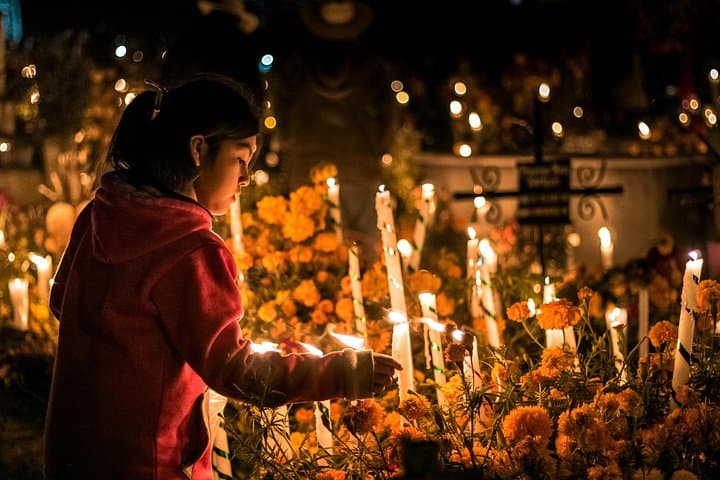
Night falls over Oaxaca and the cemetery becomes a living room: candles breathe light across rows of family altars, marigolds seem to tug the air toward statues and photographs, and the hush of remembrance hums beneath distant music. On October 31st in the Xoxocotlán Pantheon, visitors move among families laying offerings, the smell of copal and cooked mole riding the cool night, while November 1st delivers Etla’s Comparsa—a parade that pushes joy into the streets with brass, drums and costumed dancers.
Night falls over Oaxaca and the cemetery becomes a living room: candles breathe light across rows of family altars, marigolds seem to tug the air toward statues and photographs, and the hush of remembrance hums beneath distant music. On October 31st in the Xoxocotlán Pantheon, visitors move among families laying offerings, the smell of copal and cooked mole riding the cool night, while November 1st delivers Etla’s Comparsa—a parade that pushes joy into the streets with brass, drums and costumed dancers.
The ritual here traces pre-Hispanic ancestor veneration layered with Catholic All Saints traditions; local artisans build altars with clear intent, and markets overflow with pan de muerto and sugar skulls. Geographically, the valley of Oaxaca sits in the Sierra Madre del Sur’s rain shadow, shaping the dry, high-altitude climate that preserves these outdoor ceremonies into crisp evenings.
Practicalities matter: plan for crowds and limited personal space, carry small bills for offerings and vendors, and respect family spaces—photograph only with permission. Expect uneven cobbled streets and cemetery steps; comfortable shoes and a small flashlight make moving after dark far easier. Timing is precise—arrive early to catch altar preparations and linger into the night to see candles and music swell.
Local guides translate language and protocol, easing cultural exchange while keeping visits mindful. Bring a reusable water bottle, layer for a cool night, and leave altars as found. This two-day experience is both intimate and communal—part observance, part street festival—offering an accessible way to witness Oaxaca’s most vivid public memory ritual.