THE ADVENTURE COLLECTIVE® · Independent discovery and booking for outdoor travel

A full-day loop from Akureyri through Iceland’s Diamond Circle visits Goðafoss, Mývatn, Hverir, Víti crater and Dettifoss — a compact showcase of volcanic, glacial and coastal landscapes. Expect short walks, dramatic viewpoints and rapidly changing weather.
A full-day loop from Akureyri through Iceland’s Diamond Circle visits Goðafoss, Mývatn, Hverir, Víti crater and Dettifoss — a compact showcase of volcanic, glacial and coastal landscapes. Expect short walks, dramatic viewpoints and rapidly changing weather.
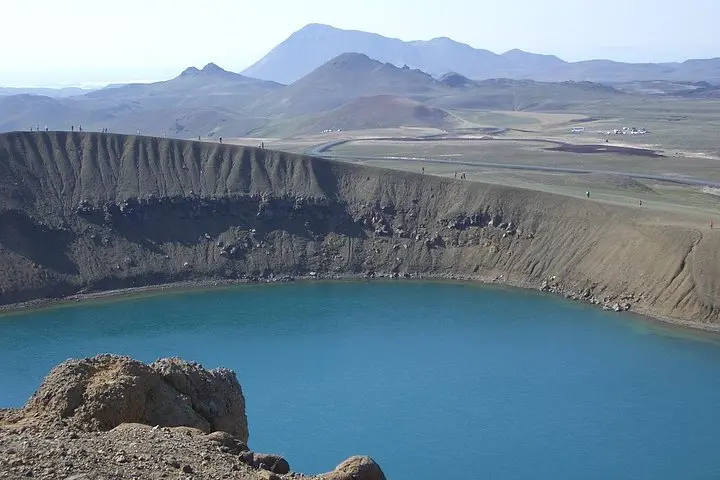
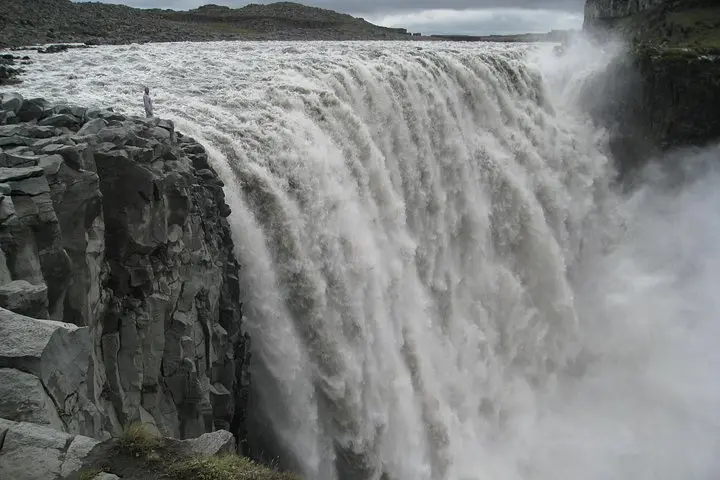
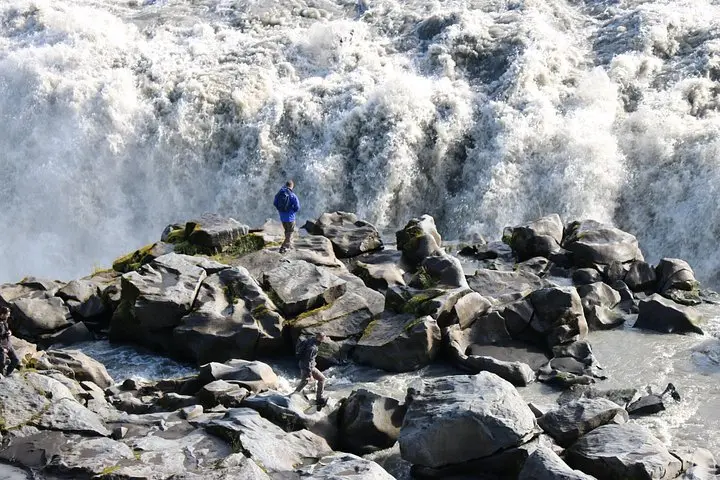
A low cloud peels back over northern Iceland as the shuttle slips out of Akureyri and the road opens into raw geology — basalt cliffs, steaming solfataras and rivers that have cut canyons with brutal patience. On a full-day Diamond Circle tour you move through a sequence of dramatic scenes: Goðafoss throws sheets of water into a horseshoe gorge, the lunar fields at Hverir fizzle with boiling mud and sulfur, Víti’s crater lake glints an impossible color, and Dettifoss arrives with a roar that betrays its reputation as Europe’s most powerful waterfall.
Verified experiences and guided adventures in the surrounding area.
Operated by Star Travel Iceland · Akureyri, N/A
A low cloud peels back over northern Iceland as the shuttle slips out of Akureyri and the road opens into raw geology — basalt cliffs, steaming solfataras and rivers that have cut canyons with brutal patience. On a full-day Diamond Circle tour you move through a sequence of dramatic scenes: Goðafoss throws sheets of water into a horseshoe gorge, the lunar fields at Hverir fizzle with boiling mud and sulfur, Víti’s crater lake glints an impossible color, and Dettifoss arrives with a roar that betrays its reputation as Europe’s most powerful waterfall.
This route is a crash course in Icelandic natural history: recent volcanism and repeated glacial carving shaped Mývatn’s shallow basin, while local place names recall sagas and the island’s conversion to Christianity — Goðafoss is said to mark a decisive moment when pagan idols were cast into the falls. Fishing villages like Húsavík add a human counterpoint, with harbors that speak to a long marine heritage.
Practicalities are straightforward. Expect multiple short stops and one or two 20–90 minute walks; the longest walking time is about 40 minutes. Trails can be wet and uneven; waterproof layers and sturdy boots are essential. Bring a lunch, binoculars for birdlife, and a camera with a protective cover: weather and light change rapidly, and each stop has its own microclimate. A guided group keeps logistics simple, leaving you to watch the land do what it does best — shift, steam, and astonish.
The tour runs about 10 hours and typically stops at Goðafoss, Mývatn, Hverir, Víti crater, Dettifoss and a coastal village such as Húsavík with varying stop lengths.
Children can join but child rates apply only when sharing with two paying adults; some stops have uneven terrain so limited mobility may restrict access to viewpoints.
Bring a packed lunch; there are basic facilities at major stops but options can be limited in remote areas.
Tours run year-round but may be adjusted or canceled if road conditions or safety are concerns; check cancellation policy for refunds.
Star Travel Iceland operates guided outdoor trips and adventures with an emphasis on safety, stewardship, and memorable experiences.
A low cloud peels back over northern Iceland as the shuttle slips out of Akureyri and the road opens into raw geology — basalt cliffs, steaming solfataras and rivers that have cut canyons with brutal patience. On a full-day Diamond Circle tour you move through a sequence of dramatic scenes: Goðafoss throws sheets of water into a horseshoe gorge, the lunar fields at Hverir fizzle with boiling mud and sulfur, Víti’s crater lake glints an impossible color, and Dettifoss arrives with a roar that betrays its reputation as Europe’s most powerful waterfall.
A low cloud peels back over northern Iceland as the shuttle slips out of Akureyri and the road opens into raw geology — basalt cliffs, steaming solfataras and rivers that have cut canyons with brutal patience. On a full-day Diamond Circle tour you move through a sequence of dramatic scenes: Goðafoss throws sheets of water into a horseshoe gorge, the lunar fields at Hverir fizzle with boiling mud and sulfur, Víti’s crater lake glints an impossible color, and Dettifoss arrives with a roar that betrays its reputation as Europe’s most powerful waterfall.
This route is a crash course in Icelandic natural history: recent volcanism and repeated glacial carving shaped Mývatn’s shallow basin, while local place names recall sagas and the island’s conversion to Christianity — Goðafoss is said to mark a decisive moment when pagan idols were cast into the falls. Fishing villages like Húsavík add a human counterpoint, with harbors that speak to a long marine heritage.
Practicalities are straightforward. Expect multiple short stops and one or two 20–90 minute walks; the longest walking time is about 40 minutes. Trails can be wet and uneven; waterproof layers and sturdy boots are essential. Bring a lunch, binoculars for birdlife, and a camera with a protective cover: weather and light change rapidly, and each stop has its own microclimate. A guided group keeps logistics simple, leaving you to watch the land do what it does best — shift, steam, and astonish.