THE ADVENTURE COLLECTIVE® · Independent discovery and booking for outdoor travel

Fly from Hanoi into the dramatic Muong Thanh valley for a compact, three-day exploration of the 1954 Battle of Dien Bien Phu. Visit bunkers, A1 Hill, Victory Monument, and village homestays while experiencing local culture and the region’s distinctive highland landscape.
Fly from Hanoi into the dramatic Muong Thanh valley for a compact, three-day exploration of the 1954 Battle of Dien Bien Phu. Visit bunkers, A1 Hill, Victory Monument, and village homestays while experiencing local culture and the region’s distinctive highland landscape.
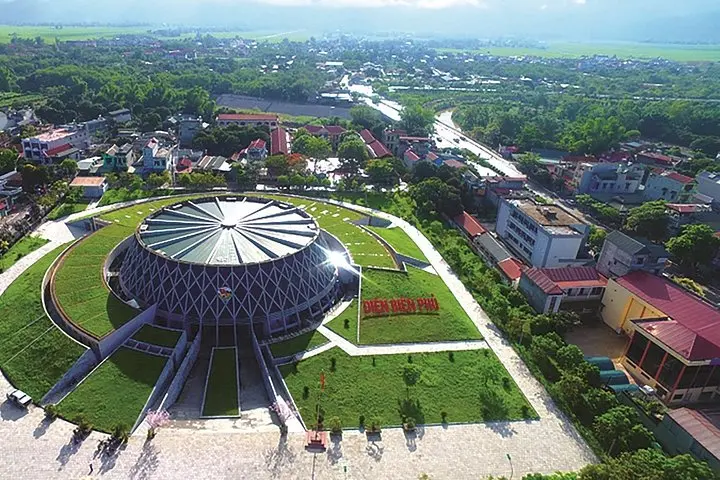
Morning light spills across the Muong Thanh valley as a small plane descends from Hanoi; the basin opens, rice paddies reflecting the sky while monuments and bunkers sit like scars and stories on the hills. On this three-day itinerary visitors move between airstrips, battlefield ridgelines, and village homes—each stop a chapter of Vietnam’s most decisive 20th-century conflict.
Verified experiences and guided adventures in the surrounding area.
Operated by LOCAL TOURS VIETNAM · Dien Bien Phu, Dien Bien Province
Morning light spills across the Muong Thanh valley as a small plane descends from Hanoi; the basin opens, rice paddies reflecting the sky while monuments and bunkers sit like scars and stories on the hills. On this three-day itinerary visitors move between airstrips, battlefield ridgelines, and village homes—each stop a chapter of Vietnam’s most decisive 20th-century conflict.
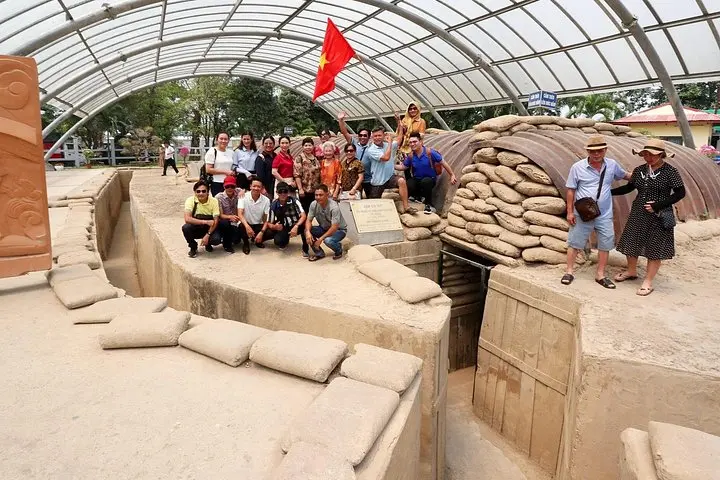
The core of the trip is the 1954 Battle of Dien Bien Phu: trenches cut into karst and red earth, makeshift bunkers such as De Castries' command post, and A1 Hill’s steep approach tell a military history framed by the valley’s geology—folded ranges and alluvial plains that shaped supply lines and tactics. Cultural passages—Black Thai manuscript demonstrations, homestay dinners, and market walks—reveal the daily rhythms of Thai, Hmong, and Khmu communities who continued life beyond the headlines.
Practical guidance is straightforward. Sites require short walks across uneven ground and steps into bunkers; lightweight hiking shoes and a rain layer are useful year-round. Flights reduce road time but bring schedule sensitivity—allow buffer for transfers and expect early starts. Bring local currency for markets and small museum fees, and be prepared for simple accommodation: a two-star hotel and a village homestay with basic comforts.
Travelers should move with respect at memorials, follow guides at historical sites, and keep water and sun protection on hand—the valley’s sun can be fierce while mountain air cools evenings. The result is a compact, layered trip where landscape and history press close enough to give context to each other.
Direct flights take about 1 hour 15 minutes each way; the tour includes round-trip air tickets between Hanoi and Dien Bien Phu.
Many sites involve uneven ground, steps into bunkers, and short walks—those with significant mobility limitations should contact the operator before booking.
The tour includes an English-speaking guide; other languages may not be available unless requested in advance.
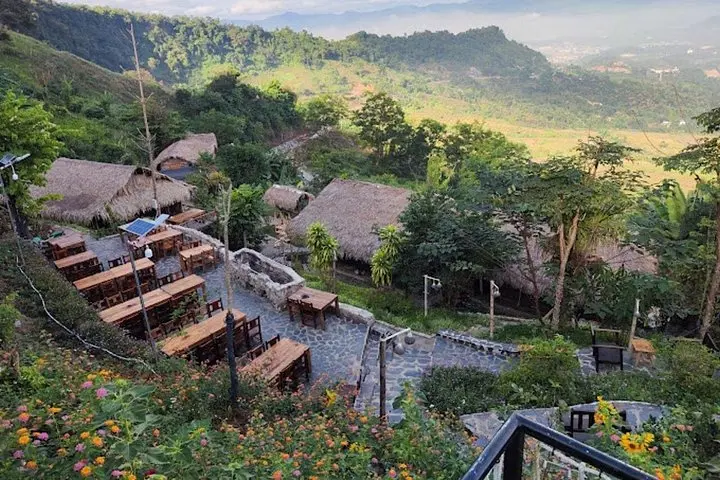
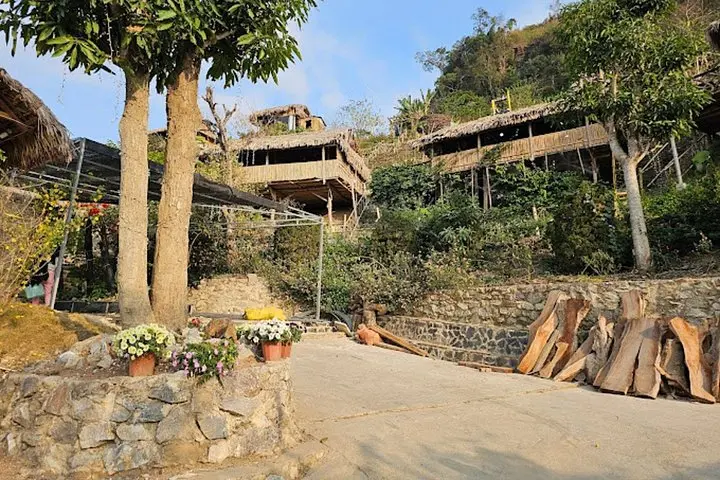
Accommodation ranges from a two-star hotel to a village homestay; meals listed include breakfasts, lunches and two dinners, with one traditional family-style dinner during the homestay.
LOCAL TOURS VIETNAM operates guided outdoor trips and adventures with an emphasis on safety, stewardship, and memorable experiences.
Morning light spills across the Muong Thanh valley as a small plane descends from Hanoi; the basin opens, rice paddies reflecting the sky while monuments and bunkers sit like scars and stories on the hills. On this three-day itinerary visitors move between airstrips, battlefield ridgelines, and village homes—each stop a chapter of Vietnam’s most decisive 20th-century conflict.
Morning light spills across the Muong Thanh valley as a small plane descends from Hanoi; the basin opens, rice paddies reflecting the sky while monuments and bunkers sit like scars and stories on the hills. On this three-day itinerary visitors move between airstrips, battlefield ridgelines, and village homes—each stop a chapter of Vietnam’s most decisive 20th-century conflict.
The core of the trip is the 1954 Battle of Dien Bien Phu: trenches cut into karst and red earth, makeshift bunkers such as De Castries' command post, and A1 Hill’s steep approach tell a military history framed by the valley’s geology—folded ranges and alluvial plains that shaped supply lines and tactics. Cultural passages—Black Thai manuscript demonstrations, homestay dinners, and market walks—reveal the daily rhythms of Thai, Hmong, and Khmu communities who continued life beyond the headlines.
Practical guidance is straightforward. Sites require short walks across uneven ground and steps into bunkers; lightweight hiking shoes and a rain layer are useful year-round. Flights reduce road time but bring schedule sensitivity—allow buffer for transfers and expect early starts. Bring local currency for markets and small museum fees, and be prepared for simple accommodation: a two-star hotel and a village homestay with basic comforts.
Travelers should move with respect at memorials, follow guides at historical sites, and keep water and sun protection on hand—the valley’s sun can be fierce while mountain air cools evenings. The result is a compact, layered trip where landscape and history press close enough to give context to each other.