THE ADVENTURE COLLECTIVE® · Independent discovery and booking for outdoor travel

Fly from Hanoi into the Muong Thanh basin for a focused three-day tour of Dien Bien Phu’s battlefields, hilltop viewpoints, and highland culture. Explore bunkers, museums, a homestay, and Pa Khoang Lake with included flights and local guides.
Fly from Hanoi into the Muong Thanh basin for a focused three-day tour of Dien Bien Phu’s battlefields, hilltop viewpoints, and highland culture. Explore bunkers, museums, a homestay, and Pa Khoang Lake with included flights and local guides.
You step off the small regional flight and the valley opens—wide rice plains cradled by low, forested ridges where soldiers once crept between trenches. The air here is cooler than Hanoi’s and carries the scent of wet earth and coffee; rivers push through the plain, daring you to trace their course to the old command posts and hilltops.
Verified experiences and guided adventures in the surrounding area.
Operated by Local Tours Ha Giang · Dien Bien Phu, Dien Bien Province
You step off the small regional flight and the valley opens—wide rice plains cradled by low, forested ridges where soldiers once crept between trenches. The air here is cooler than Hanoi’s and carries the scent of wet earth and coffee; rivers push through the plain, daring you to trace their course to the old command posts and hilltops.
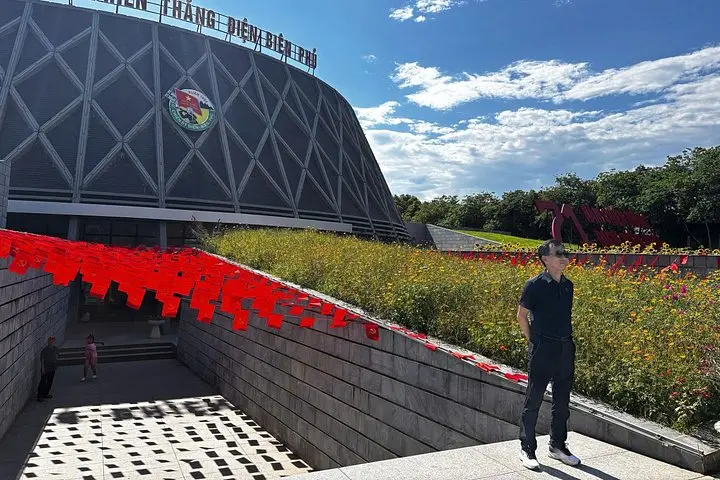
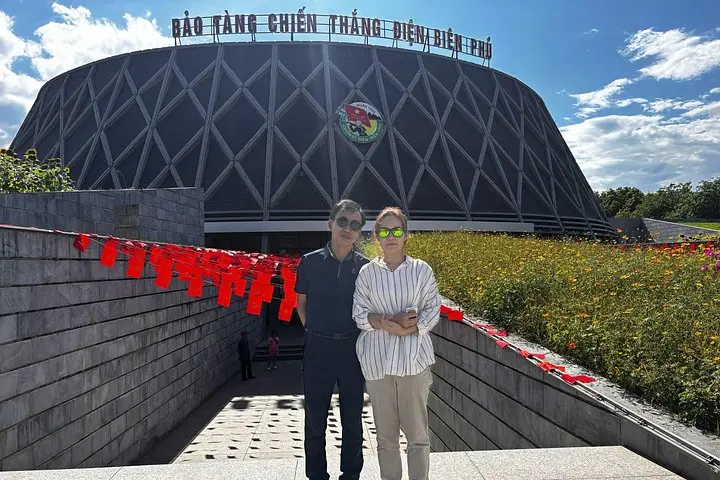
Over three days the tour moves at a steady, grounded pace: a short morning flight from Noi Bai lands you in Dien Bien Phu, then a mix of paved drives and short walks to the De Castries bunker, A1 (Eliane 2) Hill, and the Victory Museum. Geologically the Muong Thanh basin is a flattened valley of alluvial terraces framed by low karst and forested ridgelines—terrain that shaped wartime tactics and now shapes terraced rice and scattered ethnic villages.
Culturally the region is predominantly Thai and Hmong; markets, brocade stalls, and a family homestay meal are part of the itinerary, offering direct contact with local life and traditional Black Thai manuscript demonstrations. History here is literal: bunkers, monuments, and a museum that preserves artifacts from the 1954 campaign.
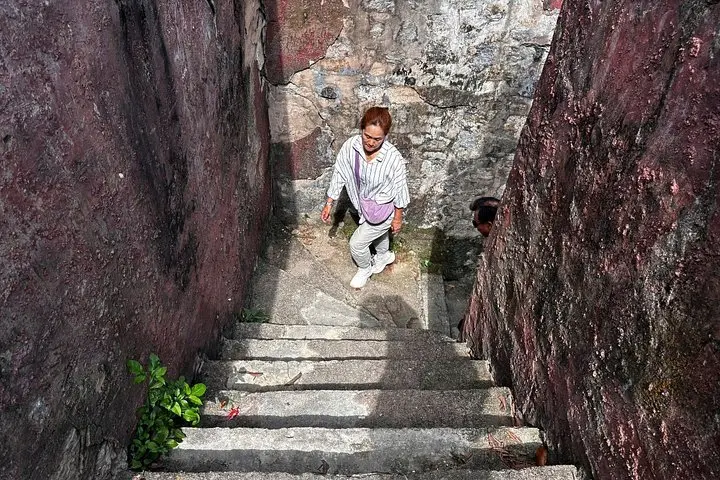
Practical guidance: flights and most entries are included, but expect multiple short walks on uneven ground, brief climbs to viewpoints, and simple homestay accommodations. Bring sturdy walking shoes, a light rain layer, sun protection, and enough water for daytime exploration. Plan for early starts to avoid midday heat and allow time at Pa Khoang Lake or Muong Phang market for quieter, scenic moments.
The included round-trip regional flight is about 1 to 1.5 hours each way depending on schedule and aircraft.
Yes—entrance fees to major historical sites like the Victory Museum and De Castries bunker are included in the tour package.
Accommodations are a mix of a two-star hotel in Dien Bien Phu and a local homestay in Muong Phang, offering basic comfort and cultural immersion.
The tour is labeled suitable for most fitness levels, but it’s not recommended for travelers with serious back, heart, or pregnancy-related restrictions due to some uneven walking and transfers.
Local Tours Ha Giang operates guided outdoor trips and adventures with an emphasis on safety, stewardship, and memorable experiences.
You step off the small regional flight and the valley opens—wide rice plains cradled by low, forested ridges where soldiers once crept between trenches. The air here is cooler than Hanoi’s and carries the scent of wet earth and coffee; rivers push through the plain, daring you to trace their course to the old command posts and hilltops.
You step off the small regional flight and the valley opens—wide rice plains cradled by low, forested ridges where soldiers once crept between trenches. The air here is cooler than Hanoi’s and carries the scent of wet earth and coffee; rivers push through the plain, daring you to trace their course to the old command posts and hilltops.
Over three days the tour moves at a steady, grounded pace: a short morning flight from Noi Bai lands you in Dien Bien Phu, then a mix of paved drives and short walks to the De Castries bunker, A1 (Eliane 2) Hill, and the Victory Museum. Geologically the Muong Thanh basin is a flattened valley of alluvial terraces framed by low karst and forested ridgelines—terrain that shaped wartime tactics and now shapes terraced rice and scattered ethnic villages.
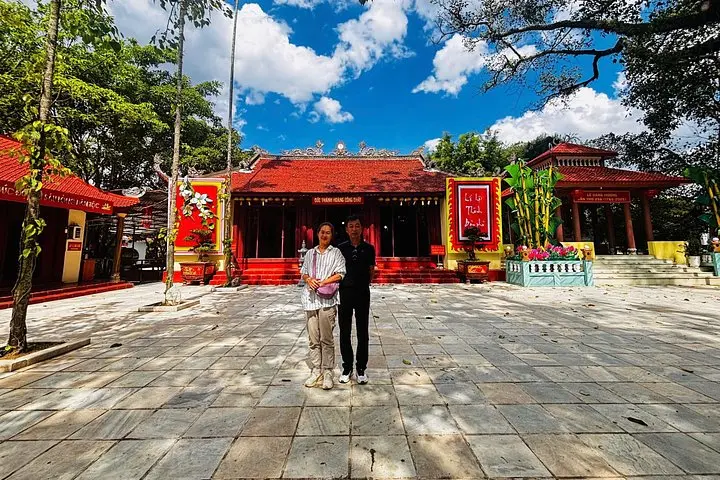
Culturally the region is predominantly Thai and Hmong; markets, brocade stalls, and a family homestay meal are part of the itinerary, offering direct contact with local life and traditional Black Thai manuscript demonstrations. History here is literal: bunkers, monuments, and a museum that preserves artifacts from the 1954 campaign.
Practical guidance: flights and most entries are included, but expect multiple short walks on uneven ground, brief climbs to viewpoints, and simple homestay accommodations. Bring sturdy walking shoes, a light rain layer, sun protection, and enough water for daytime exploration. Plan for early starts to avoid midday heat and allow time at Pa Khoang Lake or Muong Phang market for quieter, scenic moments.