THE ADVENTURE COLLECTIVE® · Independent discovery and booking for outdoor travel

Explore the decisive sites of the 1954 battle at Dien Bien Phu on a full-day tour that blends battlefield landmarks, ethnic village culture, and lake-side scenery. Expect museum stops, short hikes, and a traditional Black Thai lunch.
Explore the decisive sites of the 1954 battle at Dien Bien Phu on a full-day tour that blends battlefield landmarks, ethnic village culture, and lake-side scenery. Expect museum stops, short hikes, and a traditional Black Thai lunch.
Morning light slices across a high valley as the jeep eases out of Dien Bien Phu city and the mountains close in—terraced slopes, rice paddies, and low cloud that seems to push you along the road. The day tour moves between commanding ridgelines and intimate village kitchens: military bunkers and markers one moment, a Black Thai family meal the next.
Verified experiences and guided adventures in the surrounding area.
Operated by Authentic SAPA · Dien Bien Phu, Dien Bien Province
Morning light slices across a high valley as the jeep eases out of Dien Bien Phu city and the mountains close in—terraced slopes, rice paddies, and low cloud that seems to push you along the road. The day tour moves between commanding ridgelines and intimate village kitchens: military bunkers and markers one moment, a Black Thai family meal the next.
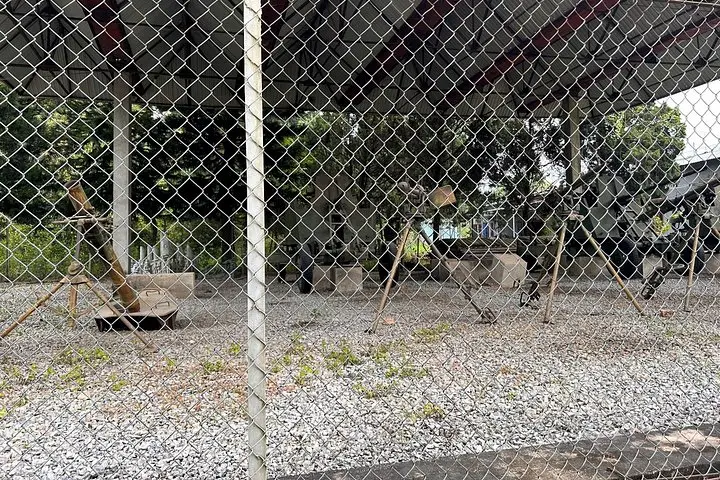
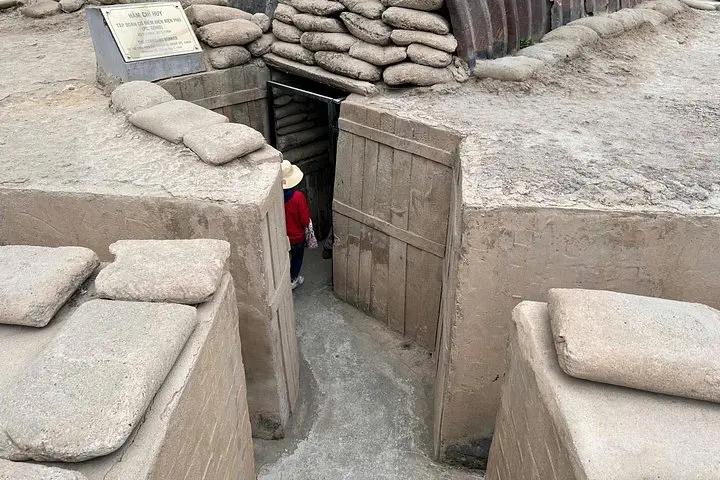
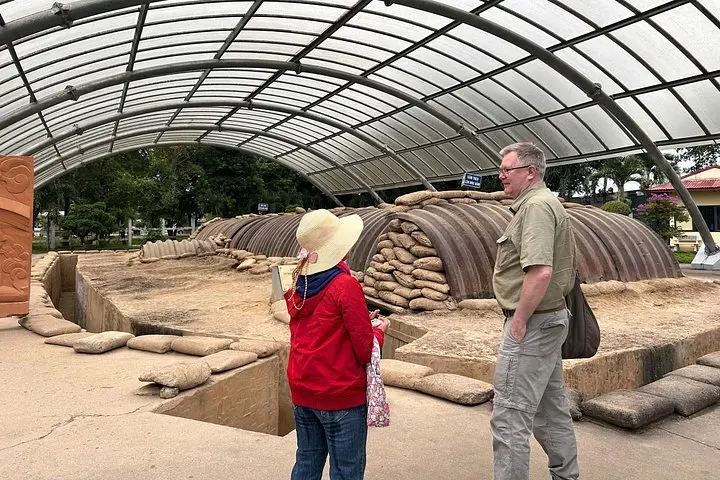
This route threads history and landscape. Dien Bien Phu’s limestone and red-soil hills shaped battlefield lines in 1954, when Viet Minh forces surrounded and besieged a French garrison—an event that helped end French colonial rule in Indochina. Interpretive stops include the modern Victory Museum, the Martyrs’ Cemetery with thousands of graves, and the tactical lean of A1 (C1) Hill and the De Castries bunker. The geology—steep karst outcrops and river-cut valleys—created the ridges armies fought over and now frame sweeping valley views.
Cultural time is built into the itinerary: a homestay-style Black Thai lunch in Muong Phang offers a close look at daily life and mountain agriculture. Pha Khoang Lake closes the day with flat water reflecting surrounding forested hills and the chance to unwind.
Practical guidance: expect a 9-hour day with multiple short walks on uneven ground, stone steps, and village lanes. Bring layered clothing for variable mountain weather, sturdy shoes for treads and mud, sun protection, and a day pack for water and camera gear. The tour is primarily educational and accessible, but it rewards curiosity—ask local guides about oral histories and route choices to deepen the visit.
Yes—pickup and drop-off in Dien Bien Phu city are included; confirm your hotel lobby pickup point when booking.
Yes—museum admissions and a traditional Black Thai lunch are included as listed in the itinerary.
The tour is rated easy but includes uneven terrain and steps; it may be uncomfortable for guests with serious mobility, spinal, or heart conditions.
Photography is generally allowed at outdoor sites and some museum areas, but follow signs and guide instructions regarding restricted displays or respectful behavior at memorials.
Authentic SAPA operates guided outdoor trips and adventures with an emphasis on safety, stewardship, and memorable experiences.
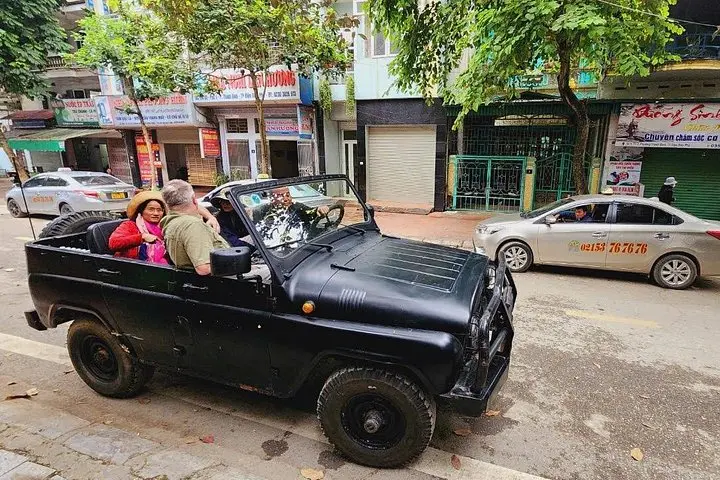
Morning light slices across a high valley as the jeep eases out of Dien Bien Phu city and the mountains close in—terraced slopes, rice paddies, and low cloud that seems to push you along the road. The day tour moves between commanding ridgelines and intimate village kitchens: military bunkers and markers one moment, a Black Thai family meal the next.
Morning light slices across a high valley as the jeep eases out of Dien Bien Phu city and the mountains close in—terraced slopes, rice paddies, and low cloud that seems to push you along the road. The day tour moves between commanding ridgelines and intimate village kitchens: military bunkers and markers one moment, a Black Thai family meal the next.
This route threads history and landscape. Dien Bien Phu’s limestone and red-soil hills shaped battlefield lines in 1954, when Viet Minh forces surrounded and besieged a French garrison—an event that helped end French colonial rule in Indochina. Interpretive stops include the modern Victory Museum, the Martyrs’ Cemetery with thousands of graves, and the tactical lean of A1 (C1) Hill and the De Castries bunker. The geology—steep karst outcrops and river-cut valleys—created the ridges armies fought over and now frame sweeping valley views.
Cultural time is built into the itinerary: a homestay-style Black Thai lunch in Muong Phang offers a close look at daily life and mountain agriculture. Pha Khoang Lake closes the day with flat water reflecting surrounding forested hills and the chance to unwind.
Practical guidance: expect a 9-hour day with multiple short walks on uneven ground, stone steps, and village lanes. Bring layered clothing for variable mountain weather, sturdy shoes for treads and mud, sun protection, and a day pack for water and camera gear. The tour is primarily educational and accessible, but it rewards curiosity—ask local guides about oral histories and route choices to deepen the visit.