THE ADVENTURE COLLECTIVE® · Independent discovery and booking for outdoor travel

Explore Diria National Park’s dry tropical forest on a private half‑day hike. Choose a short loop to cooling water holes or a half‑mile trek to the Brazil Waterfall and learn about local conservation while enjoying rugged rivers and diverse flora.
Explore Diria National Park’s dry tropical forest on a private half‑day hike. Choose a short loop to cooling water holes or a half‑mile trek to the Brazil Waterfall and learn about local conservation while enjoying rugged rivers and diverse flora.
You step off the gravel road into a quiet of dry tropical forest where light slants through low hardwoods and a river asks to be crossed. The guide leads across a knee‑deep stream toward a ranger station, the air humid with insect song and the sharp citrus of guava. Small trails thread under trees; frogs peek from water holes and the canopy opens to reveal a cliff where the Brazil Waterfall once carved the stone.
Verified experiences and guided adventures in the surrounding area.
Operated by Oropopo Experience · Santa Cruz, Guanacaste
You step off the gravel road into a quiet of dry tropical forest where light slants through low hardwoods and a river asks to be crossed. The guide leads across a knee‑deep stream toward a ranger station, the air humid with insect song and the sharp citrus of guava. Small trails thread under trees; frogs peek from water holes and the canopy opens to reveal a cliff where the Brazil Waterfall once carved the stone.
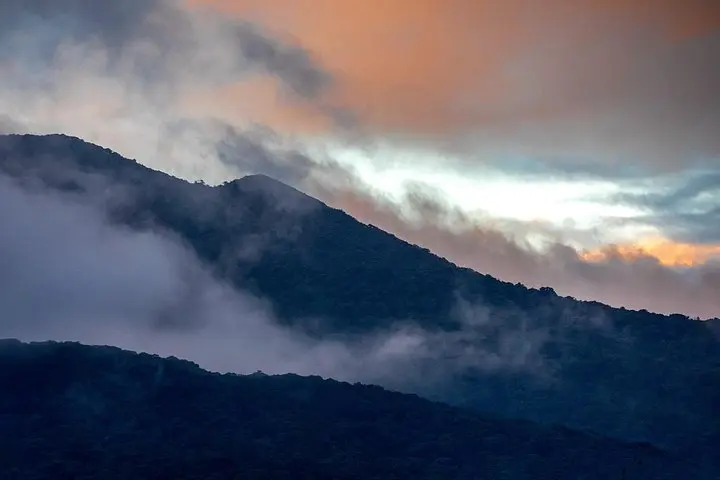
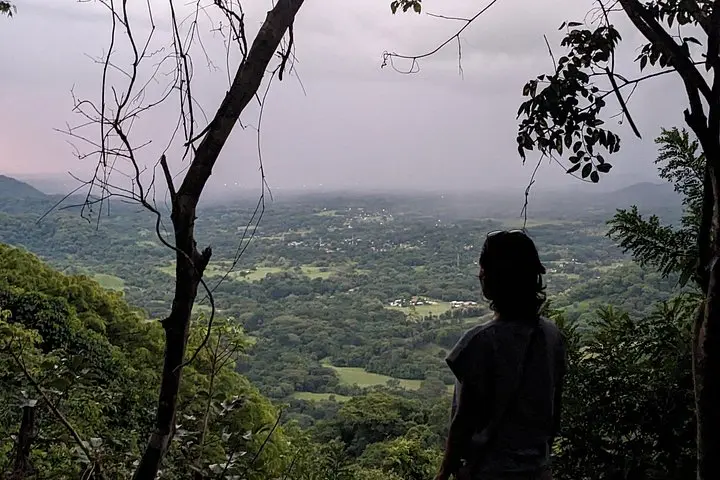
Diria National Park protects part of the Nicoya Peninsula’s tropical dry forest — one of the most threatened ecosystems in Central America — and contains seasonal rivers and permanent pools shaped by volcanic soils and centuries of rainfall patterns. Local communities around Santa Cruz have long used these waterways, and conservation efforts here now involve park rangers and NGOs protecting mangroves and springs downstream.
On this private half‑day tour, travelers choose a short 3/4‑mile loop with a steep section to reach cooling water holes, or hike 1/2 mile upstream to the Brazil Waterfall (which can be low or dry in the dry season). Expect mixed terrain: packed dirt, tree roots, occasional rock crossings and a shallow river ford.
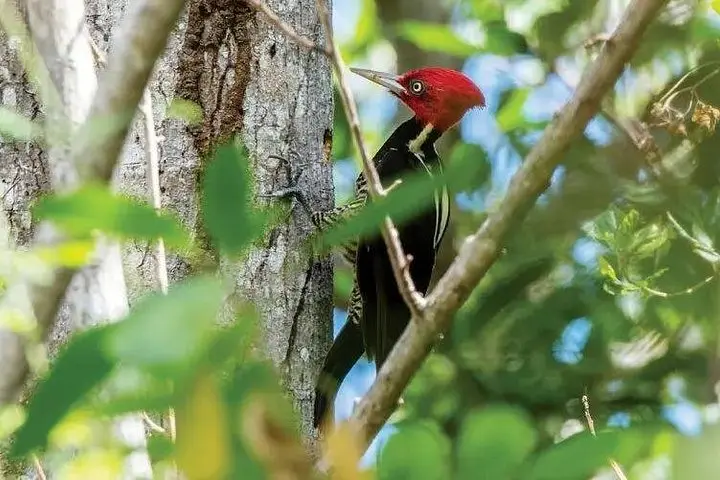
Practical tips: wear footwear that can get wet, bring a reusable water bottle and insect repellent, and plan morning starts to avoid heat. There are no visitor center bathrooms, and a bakery stop can be added if pickup is moved earlier. A naturalist guide and spotting scope are included; small donations support local conservation programs. This is a moderate outing—close to town but wild enough to remind you how quickly the forest will reclaim any quiet human footprint.
The tour runs about 5–6 hours total with walking options: a 3/4‑mile loop with a steep section or a 1/2‑mile upstream hike; overall it’s moderate with uneven terrain and stream crossings.
No — the waterfall can be low or dry between late December and May; however, the park’s water holes typically hold water year‑round.
No formal visitor center or bathrooms; a bakery stop with restrooms can be added if pickup is scheduled earlier.
A private naturalist guide, snacks and fruit, optical equipment (spotting scope/binoculars), and contributions to local conservation programs are included.
Oropopo Experience operates guided outdoor trips and adventures with an emphasis on safety, stewardship, and memorable experiences.
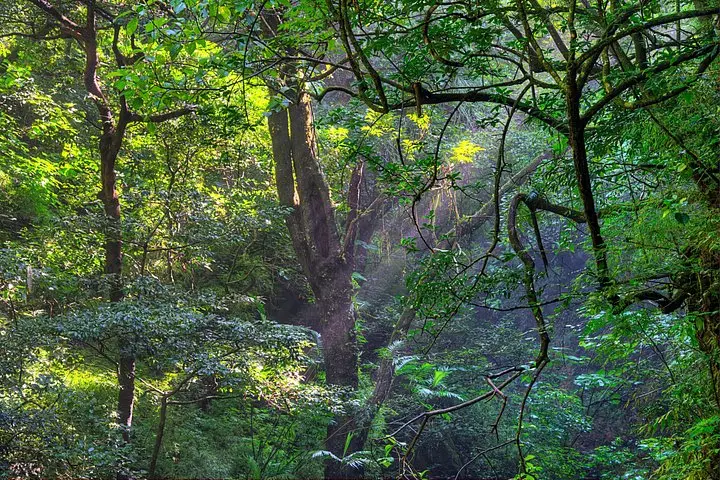
You step off the gravel road into a quiet of dry tropical forest where light slants through low hardwoods and a river asks to be crossed. The guide leads across a knee‑deep stream toward a ranger station, the air humid with insect song and the sharp citrus of guava. Small trails thread under trees; frogs peek from water holes and the canopy opens to reveal a cliff where the Brazil Waterfall once carved the stone.
You step off the gravel road into a quiet of dry tropical forest where light slants through low hardwoods and a river asks to be crossed. The guide leads across a knee‑deep stream toward a ranger station, the air humid with insect song and the sharp citrus of guava. Small trails thread under trees; frogs peek from water holes and the canopy opens to reveal a cliff where the Brazil Waterfall once carved the stone.
Diria National Park protects part of the Nicoya Peninsula’s tropical dry forest — one of the most threatened ecosystems in Central America — and contains seasonal rivers and permanent pools shaped by volcanic soils and centuries of rainfall patterns. Local communities around Santa Cruz have long used these waterways, and conservation efforts here now involve park rangers and NGOs protecting mangroves and springs downstream.
On this private half‑day tour, travelers choose a short 3/4‑mile loop with a steep section to reach cooling water holes, or hike 1/2 mile upstream to the Brazil Waterfall (which can be low or dry in the dry season). Expect mixed terrain: packed dirt, tree roots, occasional rock crossings and a shallow river ford.
Practical tips: wear footwear that can get wet, bring a reusable water bottle and insect repellent, and plan morning starts to avoid heat. There are no visitor center bathrooms, and a bakery stop can be added if pickup is moved earlier. A naturalist guide and spotting scope are included; small donations support local conservation programs. This is a moderate outing—close to town but wild enough to remind you how quickly the forest will reclaim any quiet human footprint.