
Dirty NYC: Sewage, Sex & Sickness Walking Tour of Five Points
Walk the streets that once defined one of America's most notorious slums. This two-hour tour traces Five Points' history of pollution, poverty and public-health failure with a sanitation expert as guide.
An Adventure In New York City (Manhattan).
Walk the streets that once defined one of America's most notorious slums. This two-hour tour traces Five Points' history of pollution, poverty and public-health failure with a sanitation expert as guide.
Read the full experience
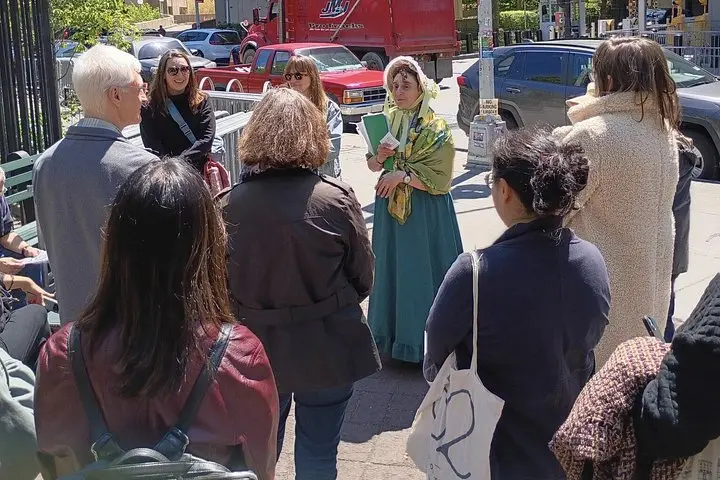
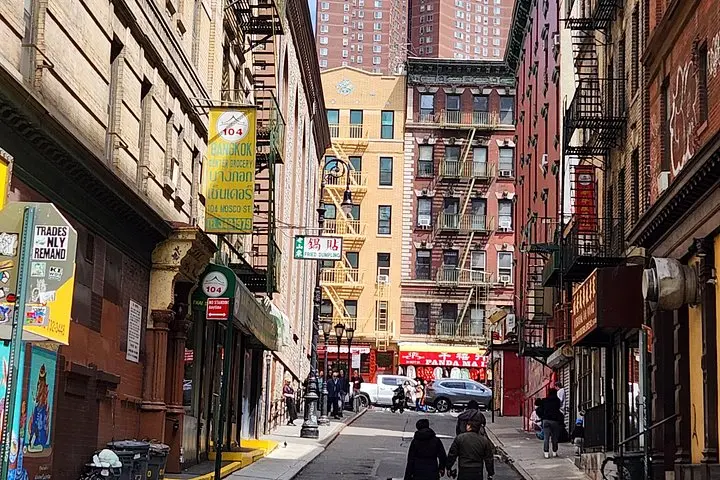
The guide leads the group down cracked sidewalks where narrow alleys once funneled chaos into a single filthy nexus; the air carries the city's layered history—steam from manholes, the smell of street vendors, the faint echo of tenement life.
The guide leads the group down cracked sidewalks where narrow alleys once funneled chaos into a single filthy nexus; the air carries the city's layered history—steam from manholes, the smell of street vendors, the faint echo of tenement life.
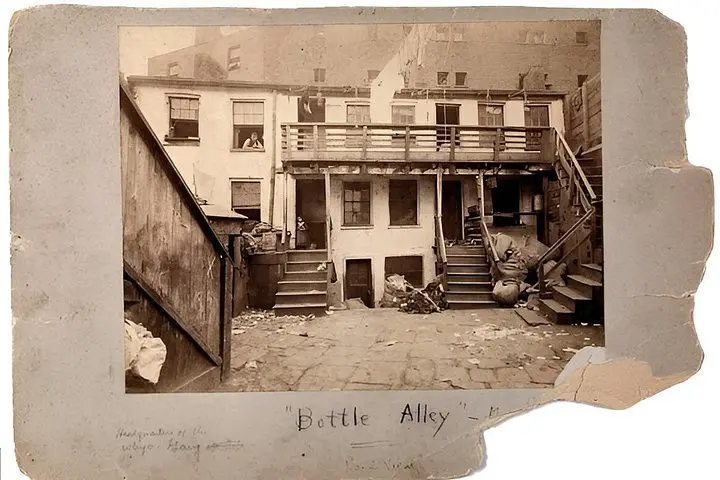
In two hours and fifteen minutes you trace a geography erased by development: Collect Pond's slow poison, the landfill that became Mulberry Bend, the haunts of brothels and the courts known as The Tombs. The narrative threads immigrants' struggles, municipal neglect, and the public-health failures that made Five Points infamous between 1800 and 1900.
Geology here is civic: a filled-in freshwater pond, silt and refuse compressed beneath modern pavement. Culture is equally tangible—songs, slang, and the patchwork of ethnic neighborhoods that followed demolition and rebirth. Expect stops at site markers east of Columbus Park, the footprint of Paradise Square, and relic addresses where Donovan's Alley and Bandit's Roost once stood.
Practical guidance: wear sturdy, flat-soled shoes and bring a water bottle — the pace is steady and sidewalks are uneven. Public transit drops you nearby; the route is wheelchair accessible but contains historic surfaces that can be bumpy. Photography is fine, but this is a tour about trauma and resilience—respect people and memorials. The guide is grounded in sanitation history and public administration, so questions about policy, disease, and urban planning are encouraged.
This walk suits anyone fascinated by urban archaeology, social history, and how infrastructure shapes human lives. It’s not a ghost story; it’s a forensic stroll through the city’s public-health legacy.
Frequently asked questions
Yes; the provider lists wheelchair accessibility, though some historic surfaces may be uneven—contact the operator for specific mobility needs.
Meeting is typically in or just east of Columbus Park near Worth Street; the booking confirmation lists the exact pickup point.
Infants and small children in strollers are allowed, but content covers disease and poverty and may not be appropriate for very young audiences.
The tour can be canceled for bad weather; full refunds are available if canceled at least 24 hours before the scheduled departure.
About This Experience
Off the Beaten Subway Track Walking Tours operates guided outdoor trips and adventures with an emphasis on safety, stewardship, and memorable experiences.
Adventure tips
Recommended gear
- Comfortable walking shoes: Flat, supportive shoes reduce fatigue on uneven sidewalks and cobbled patches.
- Reusable water bottle: Staying hydrated during the 135-minute walk keeps focus and energy high.
- Light rain jacket or layers: Weather in NYC can change—layers keep you comfortable in breezy or wet conditions.
- Phone with transit app & camera: Helps with directions, quick research on-site, and documenting historic markers.
Photos of the experience
Related adventures & guides
Read the full experience
The guide leads the group down cracked sidewalks where narrow alleys once funneled chaos into a single filthy nexus; the air carries the city's layered history—steam from manholes, the smell of street vendors, the faint echo of tenement life.
The guide leads the group down cracked sidewalks where narrow alleys once funneled chaos into a single filthy nexus; the air carries the city's layered history—steam from manholes, the smell of street vendors, the faint echo of tenement life.
In two hours and fifteen minutes you trace a geography erased by development: Collect Pond's slow poison, the landfill that became Mulberry Bend, the haunts of brothels and the courts known as The Tombs. The narrative threads immigrants' struggles, municipal neglect, and the public-health failures that made Five Points infamous between 1800 and 1900.
Geology here is civic: a filled-in freshwater pond, silt and refuse compressed beneath modern pavement. Culture is equally tangible—songs, slang, and the patchwork of ethnic neighborhoods that followed demolition and rebirth. Expect stops at site markers east of Columbus Park, the footprint of Paradise Square, and relic addresses where Donovan's Alley and Bandit's Roost once stood.
Practical guidance: wear sturdy, flat-soled shoes and bring a water bottle — the pace is steady and sidewalks are uneven. Public transit drops you nearby; the route is wheelchair accessible but contains historic surfaces that can be bumpy. Photography is fine, but this is a tour about trauma and resilience—respect people and memorials. The guide is grounded in sanitation history and public administration, so questions about policy, disease, and urban planning are encouraged.
This walk suits anyone fascinated by urban archaeology, social history, and how infrastructure shapes human lives. It’s not a ghost story; it’s a forensic stroll through the city’s public-health legacy.
Make a day of it nearby.
Verified experiences and guided adventures in the surrounding area.