THE ADVENTURE COLLECTIVE® · Independent discovery and booking for outdoor travel

Trade Dubai’s skyline for palm groves and ancient forts on a full-day semi-private tour to Al Ain. Explore UNESCO-listed oasis sites, learn Bedouin and Al Nahyan history, and take in mountain views — all with lunch and bottled water included.
Trade Dubai’s skyline for palm groves and ancient forts on a full-day semi-private tour to Al Ain. Explore UNESCO-listed oasis sites, learn Bedouin and Al Nahyan history, and take in mountain views — all with lunch and bottled water included.
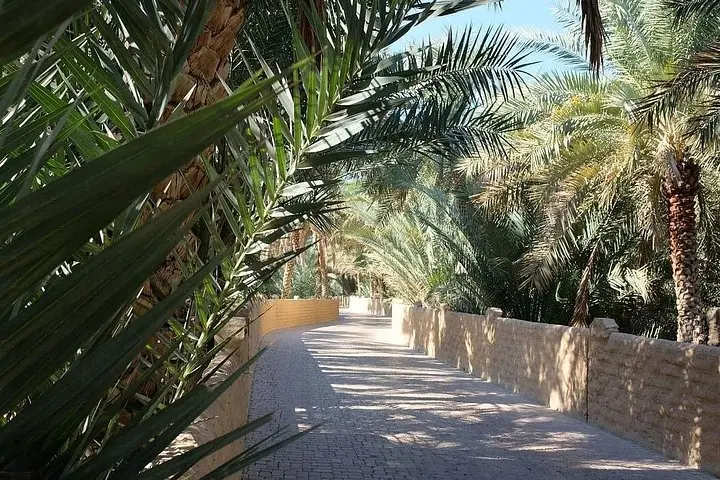
The road eases out of Dubai's glass-and-concrete geometry and, after about ninety minutes, the air feels different — drier and sun-warmed, broken by the scent of date palms and the mineral hush of nearby mountains. You pull into Al Ain, the UAE’s garden city, where palm-lined avenues meet ancient mud-brick fortifications and the steady silhouette of Jebel Hafeet anchors the horizon.
Verified experiences and guided adventures in the surrounding area.
Operated by Desertour Tourism DMC · Al Ain, Abu Dhabi
The road eases out of Dubai's glass-and-concrete geometry and, after about ninety minutes, the air feels different — drier and sun-warmed, broken by the scent of date palms and the mineral hush of nearby mountains. You pull into Al Ain, the UAE’s garden city, where palm-lined avenues meet ancient mud-brick fortifications and the steady silhouette of Jebel Hafeet anchors the horizon.
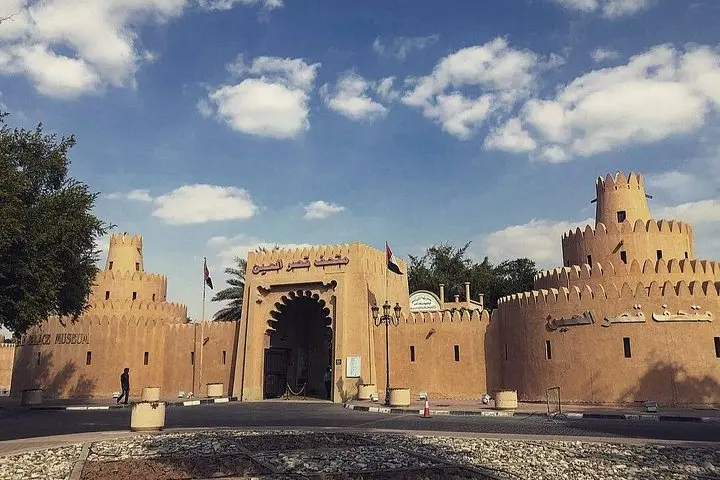
Al Ain’s cultural sites are UNESCO-listed for a reason: the city preserves oasis agriculture, Bronze Age irrigation systems (falaj), and forts like Al Jahili, built in the late 19th century and later converted into cultural exhibits, including displays about explorer Wilfred Thesiger. Geologically, the sprawl sits at the edge of the Hajar foothills; Jebel Hafeet’s limestone spine is visible from town and provides dramatic elevation compared with the surrounding desert plain.
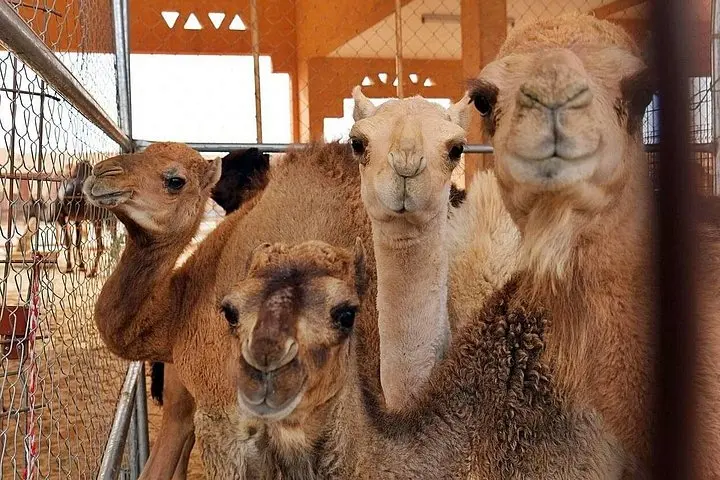
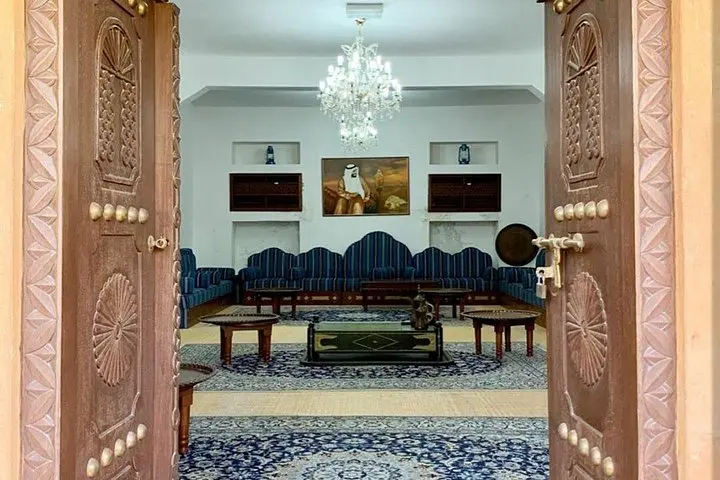
Expect a day split between short walks on paved and compacted paths, visits to museums and palms, a chance to see camels and local market life, and a sit-down lunch in a shaded restaurant. Guides typically offer cultural context on the Al Nahyan family, traditional irrigation, and the city’s role as a historic caravan hub.
Practical guidance: wear closed-toe walking shoes for uneven surfaces around forts, carry sun protection and a refillable water bottle (bottled water is usually provided), and schedule the visit outside peak summer heat if possible. Respect dress and photography customs at cultural sites, and allow time at Jebel Hafeet lookout if included — the views repay the short drive up.
The tour typically includes a 1.5-hour drive each way from central Dubai, depending on traffic and pickup location.
Yes — the tour price includes a sit-down lunch and bottled water, with soft drinks often provided.
The tour is described as suitable for all fitness levels with mostly short, easy walks; however, some sites have steps or uneven ground, so mobility limitations should be discussed at booking.
Many full-day itineraries include a stop at the Jebel Hafeet lookout or its foothills; confirm with the operator when booking to ensure it’s included.
Desertour Tourism DMC operates guided outdoor trips and adventures with an emphasis on safety, stewardship, and memorable experiences.
The road eases out of Dubai's glass-and-concrete geometry and, after about ninety minutes, the air feels different — drier and sun-warmed, broken by the scent of date palms and the mineral hush of nearby mountains. You pull into Al Ain, the UAE’s garden city, where palm-lined avenues meet ancient mud-brick fortifications and the steady silhouette of Jebel Hafeet anchors the horizon.
The road eases out of Dubai's glass-and-concrete geometry and, after about ninety minutes, the air feels different — drier and sun-warmed, broken by the scent of date palms and the mineral hush of nearby mountains. You pull into Al Ain, the UAE’s garden city, where palm-lined avenues meet ancient mud-brick fortifications and the steady silhouette of Jebel Hafeet anchors the horizon.
Al Ain’s cultural sites are UNESCO-listed for a reason: the city preserves oasis agriculture, Bronze Age irrigation systems (falaj), and forts like Al Jahili, built in the late 19th century and later converted into cultural exhibits, including displays about explorer Wilfred Thesiger. Geologically, the sprawl sits at the edge of the Hajar foothills; Jebel Hafeet’s limestone spine is visible from town and provides dramatic elevation compared with the surrounding desert plain.
Expect a day split between short walks on paved and compacted paths, visits to museums and palms, a chance to see camels and local market life, and a sit-down lunch in a shaded restaurant. Guides typically offer cultural context on the Al Nahyan family, traditional irrigation, and the city’s role as a historic caravan hub.
Practical guidance: wear closed-toe walking shoes for uneven surfaces around forts, carry sun protection and a refillable water bottle (bottled water is usually provided), and schedule the visit outside peak summer heat if possible. Respect dress and photography customs at cultural sites, and allow time at Jebel Hafeet lookout if included — the views repay the short drive up.