THE ADVENTURE COLLECTIVE® · Independent discovery and booking for outdoor travel

Walk beneath towering bamboo, explore quiet moss gardens and visit tucked-away temples on a 3–4 hour guided tour of Arashiyama. Small groups and local guides reveal cultural stories, haiku history, and lesser-known lanes away from the busiest viewpoints.
Walk beneath towering bamboo, explore quiet moss gardens and visit tucked-away temples on a 3–4 hour guided tour of Arashiyama. Small groups and local guides reveal cultural stories, haiku history, and lesser-known lanes away from the busiest viewpoints.
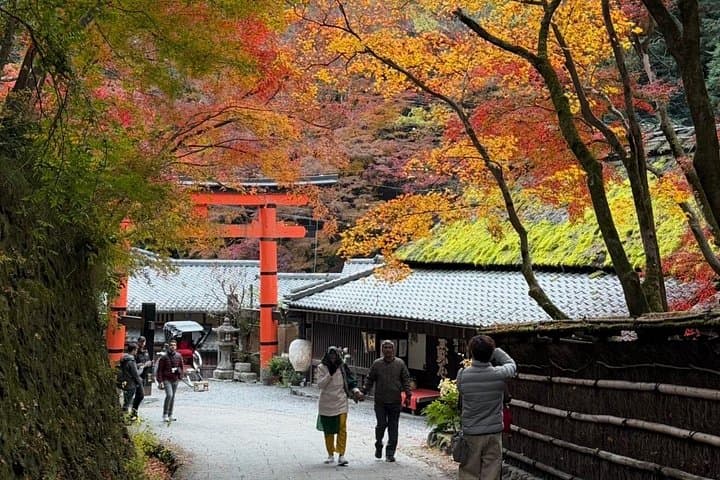
Morning light threads through the bamboo as you step onto the lane; stalks lean and whisper, urging you forward. The path bends between tall green columns and opens to mossy stone steps where temple gates cut clean silhouettes against sky. On this three- to four-hour walk you move at a local’s pace—slow enough to notice haiku carved in a thatched poet’s retreat, quick enough to keep daylight for a hilltop temple and a riverside lane.
Verified experiences and guided adventures in the surrounding area.
Operated by Japan with Christine · Kyoto, Kyoto Prefecture
Morning light threads through the bamboo as you step onto the lane; stalks lean and whisper, urging you forward. The path bends between tall green columns and opens to mossy stone steps where temple gates cut clean silhouettes against sky. On this three- to four-hour walk you move at a local’s pace—slow enough to notice haiku carved in a thatched poet’s retreat, quick enough to keep daylight for a hilltop temple and a riverside lane.
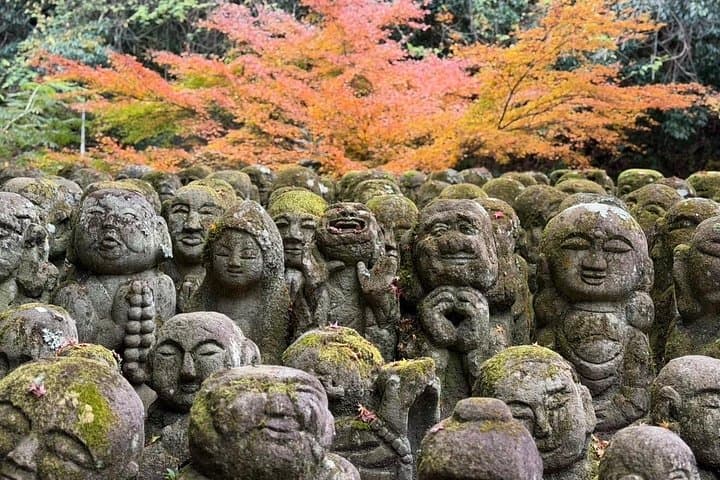
Arashiyama’s geology is quiet—low volcanic foothills and river terraces shaped by the Oi/Katsura River—so trails are gentle but uneven. The area grew as an elite retreat in the Heian period and still retains Edo-period streets on the north side. Otagi Nenbutsuji, a tucked-away temple included on this route (500¥ entrance), offers playful stone carvings, while nearby sanctuaries preserve moss gardens and old maple stands that turn vivid in autumn. Guides point out links to Basho-era haiku culture and the pragmatic design of wooden gates and thatched teahouses.
Expect forest tracks, stone steps and short paved sections through historic lanes. Group sizes are small (up to 15); bring cash for small fees and shop purchases. The walk is rated moderate—appropriate footwear and a baseline of fitness help on short stair sections. Trains to Saga-Arashiyama or Hankyu Arashiyama put you within a ten-minute walk; aim for early morning to avoid crowds at the bamboo grove. Be mindful of temple closures (Otagi Nenbutsuji is closed Wednesday and Saturday; the itinerary substitutes Adashino Nenbutsuji on those days). Hydrate, carry layered clothing for changing shade and sun, and give the bamboo room to speak—its sway will set the tempo.
The tour runs about 3–4 hours and is limited to small groups (up to 15 people) for a more intimate experience.
Yes — the tour notes that the 500¥ Otagi Nenbutsuji entrance is included; when it’s closed (Wednesdays & Saturdays) the guide visits Adashino Nenbutsuji instead.
Arashiyama is reachable by JR Sagano (Saga-Arashiyama Station) or Hankyu Arashiyama Station; both are short walks to the main sites and meeting areas.
The route includes uneven stone steps and short slopes and is not recommended for travelers with serious spine, cardiovascular conditions, or pregnancy per the provider’s guidance.
Japan with Christine operates guided outdoor trips and adventures with an emphasis on safety, stewardship, and memorable experiences.


Morning light threads through the bamboo as you step onto the lane; stalks lean and whisper, urging you forward. The path bends between tall green columns and opens to mossy stone steps where temple gates cut clean silhouettes against sky. On this three- to four-hour walk you move at a local’s pace—slow enough to notice haiku carved in a thatched poet’s retreat, quick enough to keep daylight for a hilltop temple and a riverside lane.
Morning light threads through the bamboo as you step onto the lane; stalks lean and whisper, urging you forward. The path bends between tall green columns and opens to mossy stone steps where temple gates cut clean silhouettes against sky. On this three- to four-hour walk you move at a local’s pace—slow enough to notice haiku carved in a thatched poet’s retreat, quick enough to keep daylight for a hilltop temple and a riverside lane.
Arashiyama’s geology is quiet—low volcanic foothills and river terraces shaped by the Oi/Katsura River—so trails are gentle but uneven. The area grew as an elite retreat in the Heian period and still retains Edo-period streets on the north side. Otagi Nenbutsuji, a tucked-away temple included on this route (500¥ entrance), offers playful stone carvings, while nearby sanctuaries preserve moss gardens and old maple stands that turn vivid in autumn. Guides point out links to Basho-era haiku culture and the pragmatic design of wooden gates and thatched teahouses.
Expect forest tracks, stone steps and short paved sections through historic lanes. Group sizes are small (up to 15); bring cash for small fees and shop purchases. The walk is rated moderate—appropriate footwear and a baseline of fitness help on short stair sections. Trains to Saga-Arashiyama or Hankyu Arashiyama put you within a ten-minute walk; aim for early morning to avoid crowds at the bamboo grove. Be mindful of temple closures (Otagi Nenbutsuji is closed Wednesday and Saturday; the itinerary substitutes Adashino Nenbutsuji on those days). Hydrate, carry layered clothing for changing shade and sun, and give the bamboo room to speak—its sway will set the tempo.