THE ADVENTURE COLLECTIVE® · Independent discovery and booking for outdoor travel

A compact private tour that threads Burundi’s lakes, forests, tea plantations, and cultural sites into five days. Ideal for travelers who want guided access to Karera Falls, Gishora Drum Sanctuary, Kibira outskirts and Lake Rwihinda without managing logistics themselves.
A compact private tour that threads Burundi’s lakes, forests, tea plantations, and cultural sites into five days. Ideal for travelers who want guided access to Karera Falls, Gishora Drum Sanctuary, Kibira outskirts and Lake Rwihinda without managing logistics themselves.
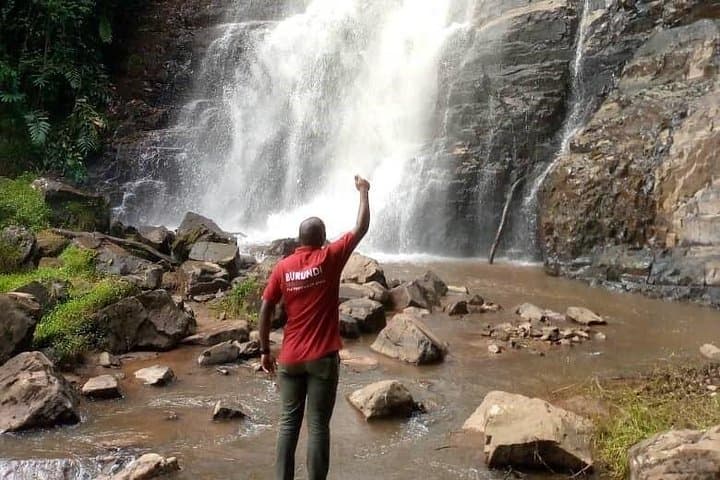
Dawn unfurls across the western rim of Lake Tanganyika and the air smells of wet earth and fresh coffee. On this private five‑day circuit, travelers move from Bujumbura’s city streets into the slow green of Rumonge’s thermal springs, the gallery forest at Karera Falls, and the cliff-edged beaches where the lake pushes and hushes like a living thing.
Verified experiences and guided adventures in the surrounding area.
Operated by Burundi Safari & Tours · Bujumbura, Bujumbura
Dawn unfurls across the western rim of Lake Tanganyika and the air smells of wet earth and fresh coffee. On this private five‑day circuit, travelers move from Bujumbura’s city streets into the slow green of Rumonge’s thermal springs, the gallery forest at Karera Falls, and the cliff-edged beaches where the lake pushes and hushes like a living thing.
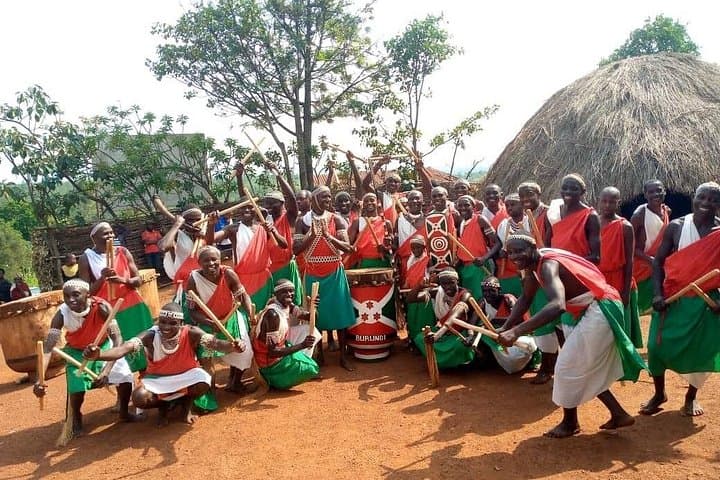
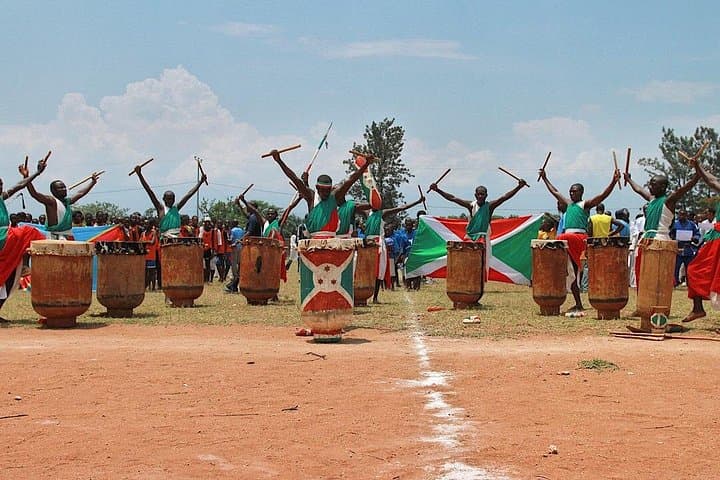
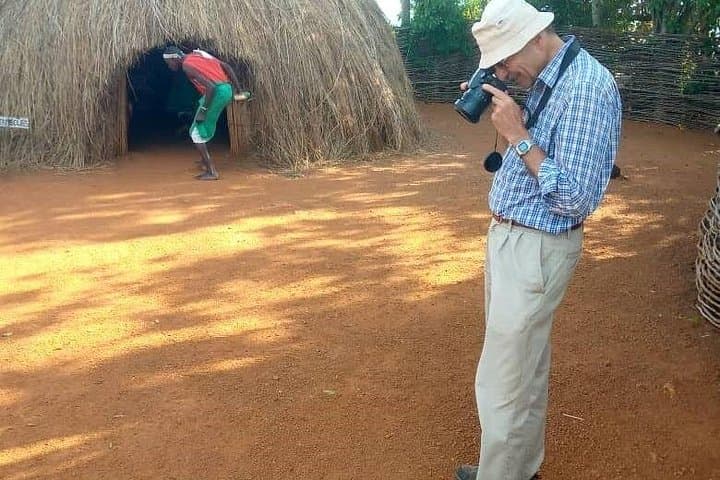
Burundi’s landscape is young highlands cut by steep rivers; volcanic soils feed tea plantations and the gullies reveal ancient beds of lake sediment. Culture is tangible—Gishora’s drum sanctuary still marks royal ritual, and Gitega’s museum preserves monarchic regalia and ethnographic objects from the colonial era. Along the route, coffee and tea estates offer a hands‑on look at crops that shaped the country’s economy.
Expect varied terrain: short forest walks, sandy lakeshores, and stair-stepped trails to viewpoints. Wildlife appears in fits—hippos wallow in river mouths, colobus and vervet monkeys call from canopy breaks, and migratory waterbirds crowd Lake Rwihinda.
Practical guidance: travel time is dominated by road transfers between provinces, so pack for long drives and short hikes. Bring layered clothing for cool mornings and hot afternoons, waterproof footwear for slippery gallery forest paths, and mosquito protection for evenings. The tour is private with hotel accommodations and guided entry to reserves; vendors at sites accept cash (Burundian franc) and often mobile money in larger towns.
This itinerary is best for travelers who want a compact, curated introduction to Burundi’s natural and cultural highlights with a guide handling logistics and local navigation.
The dry months (roughly May–September) offer more reliable road conditions and clearer skies, but shoulder seasons give lush scenery and fewer visitors.
The operator lists wheelchair-accessible options for many transfers and some sites, but several natural sites have uneven terrain—discuss specific needs with the guide when booking.
Yes, swimming is common on designated sandy beaches and in the Rumonge thermal pools—observe local advice about currents and designated swimming areas.
The package typically includes hotel pick-up/drop-off, accommodations, some meals, an air‑conditioned vehicle, guided visits, and most entrance fees—confirm exact inclusions at booking.
Burundi Safari & Tours operates guided outdoor trips and adventures with an emphasis on safety, stewardship, and memorable experiences.
Dawn unfurls across the western rim of Lake Tanganyika and the air smells of wet earth and fresh coffee. On this private five‑day circuit, travelers move from Bujumbura’s city streets into the slow green of Rumonge’s thermal springs, the gallery forest at Karera Falls, and the cliff-edged beaches where the lake pushes and hushes like a living thing.
Dawn unfurls across the western rim of Lake Tanganyika and the air smells of wet earth and fresh coffee. On this private five‑day circuit, travelers move from Bujumbura’s city streets into the slow green of Rumonge’s thermal springs, the gallery forest at Karera Falls, and the cliff-edged beaches where the lake pushes and hushes like a living thing.
Burundi’s landscape is young highlands cut by steep rivers; volcanic soils feed tea plantations and the gullies reveal ancient beds of lake sediment. Culture is tangible—Gishora’s drum sanctuary still marks royal ritual, and Gitega’s museum preserves monarchic regalia and ethnographic objects from the colonial era. Along the route, coffee and tea estates offer a hands‑on look at crops that shaped the country’s economy.
Expect varied terrain: short forest walks, sandy lakeshores, and stair-stepped trails to viewpoints. Wildlife appears in fits—hippos wallow in river mouths, colobus and vervet monkeys call from canopy breaks, and migratory waterbirds crowd Lake Rwihinda.
Practical guidance: travel time is dominated by road transfers between provinces, so pack for long drives and short hikes. Bring layered clothing for cool mornings and hot afternoons, waterproof footwear for slippery gallery forest paths, and mosquito protection for evenings. The tour is private with hotel accommodations and guided entry to reserves; vendors at sites accept cash (Burundian franc) and often mobile money in larger towns.
This itinerary is best for travelers who want a compact, curated introduction to Burundi’s natural and cultural highlights with a guide handling logistics and local navigation.