THE ADVENTURE COLLECTIVE® · Independent discovery and booking for outdoor travel

Walk Cagliari’s Castello quarter with a local guide in this focused two-hour tour. See medieval towers, the cathedral, Palazzo Regio and the Archaeological Museum while learning how maritime trade shaped Sardinia’s capital.
Walk Cagliari’s Castello quarter with a local guide in this focused two-hour tour. See medieval towers, the cathedral, Palazzo Regio and the Archaeological Museum while learning how maritime trade shaped Sardinia’s capital.
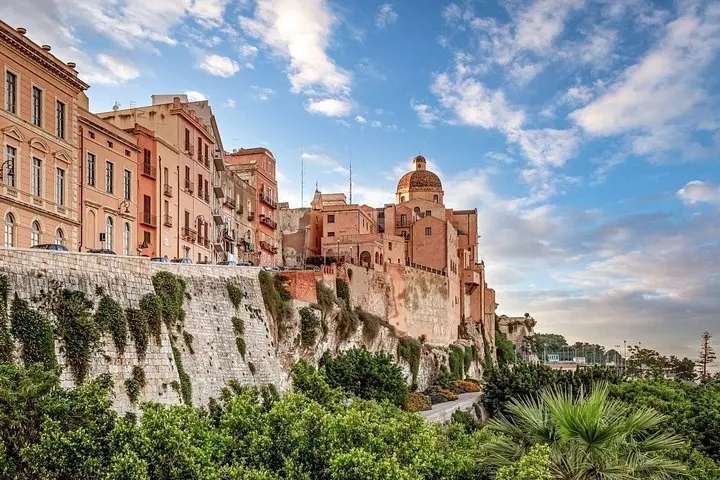
The tour begins on the wide terrace of Bastion Saint Remy, where wind off the Tyrrhenian nudges the city awake and stone stairs lead into the Castello quarter. For two hours a local guide moves a small group through alleyways and piazzas, stopping at towers, a cathedral, and a museum that stitch together Sardinia’s layered past.
Verified experiences and guided adventures in the surrounding area.
Operated by Opatrip.com Italy · Cagliari, Sardinia
The tour begins on the wide terrace of Bastion Saint Remy, where wind off the Tyrrhenian nudges the city awake and stone stairs lead into the Castello quarter. For two hours a local guide moves a small group through alleyways and piazzas, stopping at towers, a cathedral, and a museum that stitch together Sardinia’s layered past.
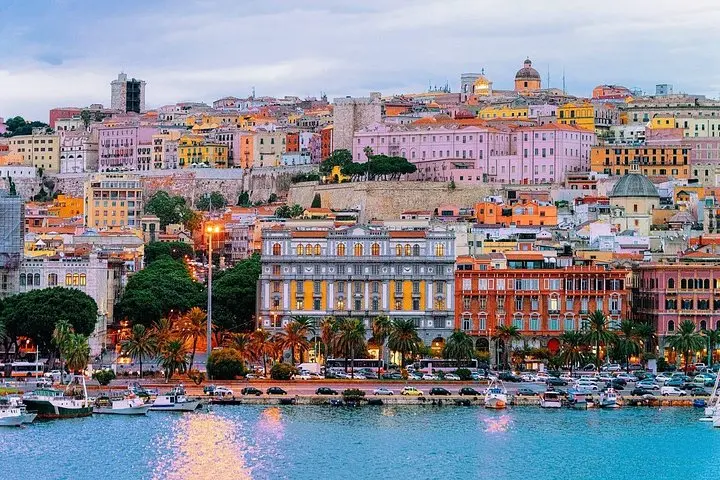
Cagliari’s topography — a cluster of limestone outcrops overlooking a deep natural harbor — shaped its defenses and neighborhoods. Visitors encounter medieval towers such as Torre dell’Elefante and Torre di San Pancrazio, Baroque facades at Palazzo Regio, and the Cathedral’s ornate nave, each reflecting Pisan, Aragonese, and Savoyard eras. The Archaeological Museum closes the loop with Nuragic, Punic and Roman artifacts that explain why this port city mattered to empires.
The guide’s narrative blends architecture, maritime trade, and local culture: narrow streets that once funneled sailors, terraces that collect winter light, and cafeterias where fennel-tinged biscotti and strong espresso set the tempo. Expect cobblestones and short stair sections; the pace is conversational, with frequent stops for photos and context.
Practical notes: wear sturdy shoes for uneven surfaces, carry water in summer, and allow time after the tour to climb a tower for harbor views. Morning or late-afternoon departures dodge midday heat and make terraces glow. This is a low-impact urban walk rich in history — ideal for travelers who prefer discovery on foot and want a compact, grounded orientation to Cagliari’s old city.
Meeting point is typically Bastion Saint Remy (Piazza Costituzione); exact instructions are provided at booking and may include a guide contact number.
This guided tour covers exterior stops; admission to sites like the Archaeological Museum may be excluded—confirm at booking if museum entry is required.
The walk is family-friendly but narrow alleys and stairs make full stroller access difficult; a baby carrier is recommended for infants.
Tours are led by local guides; language availability depends on schedule—check the booking page for options or request a private-language guide when reserving.
Opatrip.com Italy operates guided outdoor trips and adventures with an emphasis on safety, stewardship, and memorable experiences.


The tour begins on the wide terrace of Bastion Saint Remy, where wind off the Tyrrhenian nudges the city awake and stone stairs lead into the Castello quarter. For two hours a local guide moves a small group through alleyways and piazzas, stopping at towers, a cathedral, and a museum that stitch together Sardinia’s layered past.
The tour begins on the wide terrace of Bastion Saint Remy, where wind off the Tyrrhenian nudges the city awake and stone stairs lead into the Castello quarter. For two hours a local guide moves a small group through alleyways and piazzas, stopping at towers, a cathedral, and a museum that stitch together Sardinia’s layered past.
Cagliari’s topography — a cluster of limestone outcrops overlooking a deep natural harbor — shaped its defenses and neighborhoods. Visitors encounter medieval towers such as Torre dell’Elefante and Torre di San Pancrazio, Baroque facades at Palazzo Regio, and the Cathedral’s ornate nave, each reflecting Pisan, Aragonese, and Savoyard eras. The Archaeological Museum closes the loop with Nuragic, Punic and Roman artifacts that explain why this port city mattered to empires.
The guide’s narrative blends architecture, maritime trade, and local culture: narrow streets that once funneled sailors, terraces that collect winter light, and cafeterias where fennel-tinged biscotti and strong espresso set the tempo. Expect cobblestones and short stair sections; the pace is conversational, with frequent stops for photos and context.
Practical notes: wear sturdy shoes for uneven surfaces, carry water in summer, and allow time after the tour to climb a tower for harbor views. Morning or late-afternoon departures dodge midday heat and make terraces glow. This is a low-impact urban walk rich in history — ideal for travelers who prefer discovery on foot and want a compact, grounded orientation to Cagliari’s old city.