THE ADVENTURE COLLECTIVE® · Independent discovery and booking for outdoor travel

Trade Hanoi’s traffic for limestone ridges, cool cave passages and the thunder of Ban Gioc waterfall. This three-day circuit pairs revolutionary history, village visits and dramatic karst scenery—ideal for travelers who want a compact, active dive into northern Vietnam.
Trade Hanoi’s traffic for limestone ridges, cool cave passages and the thunder of Ban Gioc waterfall. This three-day circuit pairs revolutionary history, village visits and dramatic karst scenery—ideal for travelers who want a compact, active dive into northern Vietnam.
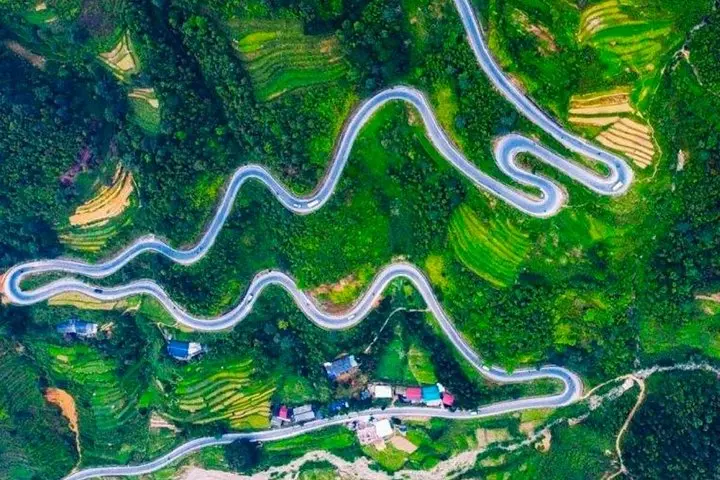
A mist lifts off the Quây Sơn River as the bus window frames jagged limestone ridges—this is Cao Bang at first light. Over three days travelers move from Hanoi’s bustle into a quieter northern Vietnam where multi-tiered cataracts, cave mouths and grass-covered karst give the landscape a deliberate, rugged pulse.
Verified experiences and guided adventures in the surrounding area.
Operated by Authenitc Travel DA NANG · Cao Bang, Cao Bang Province
A mist lifts off the Quây Sơn River as the bus window frames jagged limestone ridges—this is Cao Bang at first light. Over three days travelers move from Hanoi’s bustle into a quieter northern Vietnam where multi-tiered cataracts, cave mouths and grass-covered karst give the landscape a deliberate, rugged pulse.
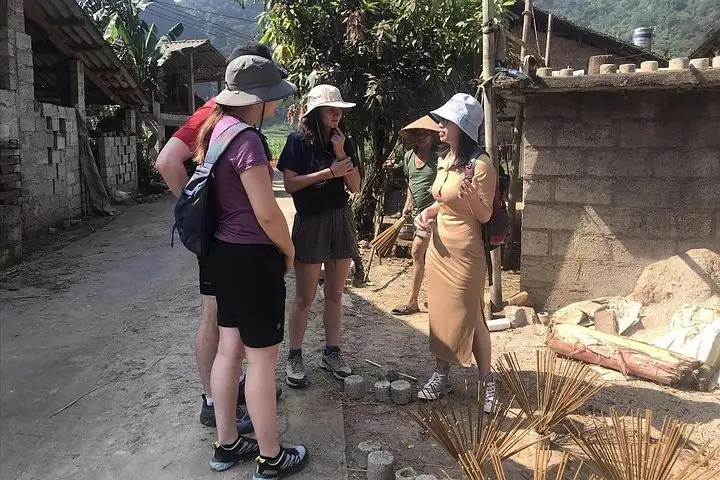
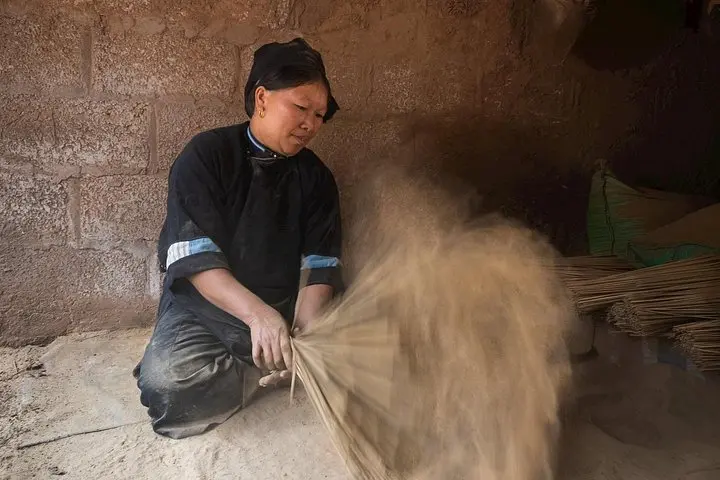
The route threads Pac Bo — where Ho Chi Minh lived beside a clear stream — into the wider geology of the region: karst towers carved over millions of years, caves like Ngườm Ngao stretching for more than 2 km, and the international edge at Thác Bản Giốc where the Quây Sơn River dares you to stand at its lip. Cultural stops—incense-making in Phia Thap, Tay and H’Mong villages in Phong Nặm—anchor the natural sights with local craft and food.
Practical guidance is straightforward: the trip is mostly road travel with short walks and viewpoint climbs; expect long coach transfers (Hanoi–Cao Bang ~6–7 hours). Accommodation alternates hotel and homestay; pack for humidity, sudden rain and uneven paths. Footwear with grip, a lightweight rain shell, and a daypack make moving between waterfalls, caves and mountain passes easier. Bring some Vietnamese đồng for small purchases and support local vendors.
Timing matters: water levels change the spectacle at Ban Gioc and influence cave access. Respect homestays and fragile karst by staying on trails and minimizing plastic. For those who want a compact introduction to northern Vietnam’s geology, culture and frontier rivers, this circuit is direct, scenic and deliberately hands-on.
Expect approximately 6–7 hours each way by limousine bus with scheduled rest stops; overnight travel is used on return.
The itinerary is rated suitable for most fitness levels, but it involves long transfers and some uneven terrain; travelers with severe mobility issues should consult the operator.
Late spring to early autumn (May–September) produces higher flows and a fuller cascade, while winter offers clearer skies but less water.
Yes—meals listed (2 breakfasts, 3 lunches, 2 dinners) and entrance fees for sites like Ngườm Ngao Cave and Pac Bo are included in the tour package.
Authenitc Travel DA NANG operates guided outdoor trips and adventures with an emphasis on safety, stewardship, and memorable experiences.

A mist lifts off the Quây Sơn River as the bus window frames jagged limestone ridges—this is Cao Bang at first light. Over three days travelers move from Hanoi’s bustle into a quieter northern Vietnam where multi-tiered cataracts, cave mouths and grass-covered karst give the landscape a deliberate, rugged pulse.
A mist lifts off the Quây Sơn River as the bus window frames jagged limestone ridges—this is Cao Bang at first light. Over three days travelers move from Hanoi’s bustle into a quieter northern Vietnam where multi-tiered cataracts, cave mouths and grass-covered karst give the landscape a deliberate, rugged pulse.
The route threads Pac Bo — where Ho Chi Minh lived beside a clear stream — into the wider geology of the region: karst towers carved over millions of years, caves like Ngườm Ngao stretching for more than 2 km, and the international edge at Thác Bản Giốc where the Quây Sơn River dares you to stand at its lip. Cultural stops—incense-making in Phia Thap, Tay and H’Mong villages in Phong Nặm—anchor the natural sights with local craft and food.
Practical guidance is straightforward: the trip is mostly road travel with short walks and viewpoint climbs; expect long coach transfers (Hanoi–Cao Bang ~6–7 hours). Accommodation alternates hotel and homestay; pack for humidity, sudden rain and uneven paths. Footwear with grip, a lightweight rain shell, and a daypack make moving between waterfalls, caves and mountain passes easier. Bring some Vietnamese đồng for small purchases and support local vendors.
Timing matters: water levels change the spectacle at Ban Gioc and influence cave access. Respect homestays and fragile karst by staying on trails and minimizing plastic. For those who want a compact introduction to northern Vietnam’s geology, culture and frontier rivers, this circuit is direct, scenic and deliberately hands-on.