THE ADVENTURE COLLECTIVE® · Independent discovery and booking for outdoor travel

Walk beneath ancient stonework and colonial façades on a private, 2.5‑hour tour that threads Inca history, San Blas artisan culture and the sensory bustle of San Pedro Market. Practical tips included for altitude, terrain and market bargaining.
Walk beneath ancient stonework and colonial façades on a private, 2.5‑hour tour that threads Inca history, San Blas artisan culture and the sensory bustle of San Pedro Market. Practical tips included for altitude, terrain and market bargaining.
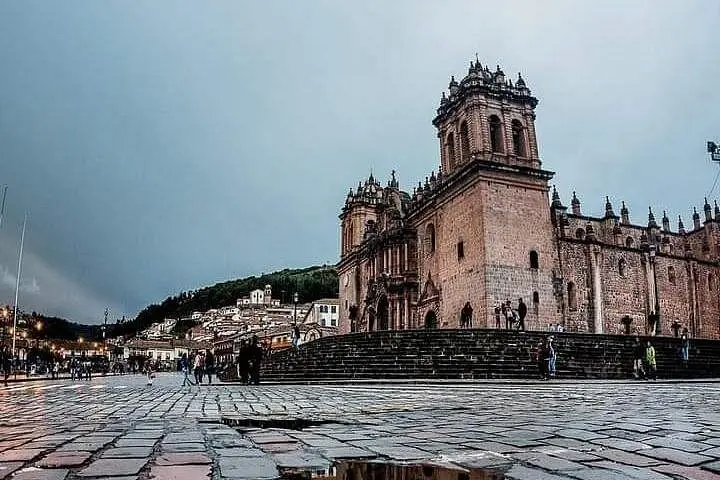
The morning air in Cusco bites with altitude and possibility as you meet your private guide in Plaza Regocijo. Cobbled alleys open like pages, sunlight sketching reliefs on centuries-old stone. The city moves around you—vendors arranging spices, church bells folding into conversation—while a guide threads Inca cosmology, colonial history and neighborhood life into the walk.
Verified experiences and guided adventures in the surrounding area.
Operated by Business Woman Cusco · Cusco, Cusco Region
The morning air in Cusco bites with altitude and possibility as you meet your private guide in Plaza Regocijo. Cobbled alleys open like pages, sunlight sketching reliefs on centuries-old stone. The city moves around you—vendors arranging spices, church bells folding into conversation—while a guide threads Inca cosmology, colonial history and neighborhood life into the walk.
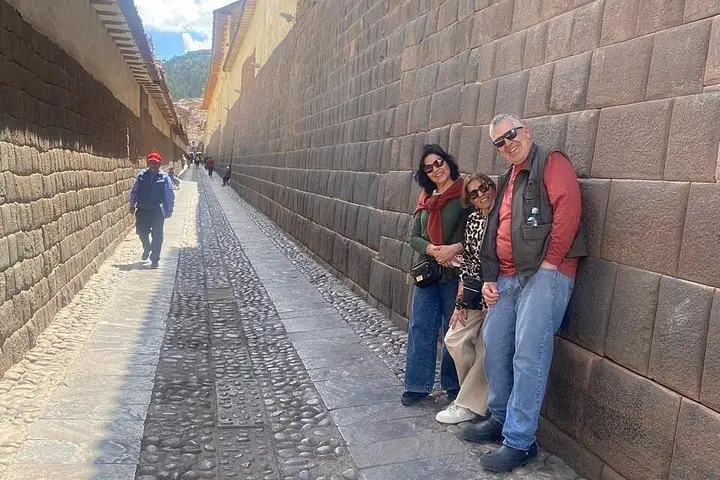
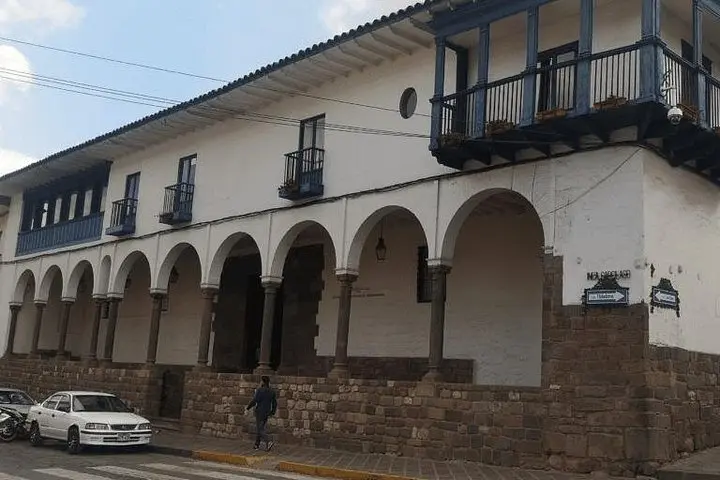
Cusco was the administrative and ceremonial heart of the Inca empire; Spanish colonizers superimposed baroque churches and plazas onto that urban skeleton. The route follows original Inca walls along Loreto and Hatun Rumiyoc—where the famous 12‑Angle Stone still sits—as it climbs to San Blas, a neighborhood of narrow steps, artisan workshops and a carved pulpit in the church that speaks to colonial craft fusion. The circuit finishes in the bustling San Pedro Market, a place where local foodways and modern trade meet under ironwork attributed to Gustave Eiffel.
Geology here is part of the story: the city rests on volcanic and metamorphic bedrock, and the precision of Inca masonry responded to seismic risk, not aesthetics alone. Expect steep streets, short staircases and frequent photo stops.
Practical guidance: allow 2–3 hours, wear sturdy shoes for uneven cobbles, carry water and a light layer for rapid weather shifts at 3,300 m elevation. Bring small local currency for market purchases and plan at least an extra hour if you want to explore San Blas studios or sample market snacks. The tour balances storytelling, cultural context and practical orientation—ideal as a first introduction to Cusco’s layered past and everyday present.
The private walking tour lasts about 2.5 hours and covers roughly 2–3 km of urban walking with several short climbs and stair sections.
Yes—tour is rated easy, but it involves uneven cobbles and stairs; consider mobility limits and altitude sensitivity when booking.
This itinerary focuses on exterior sites, viewpoints and market time; museum or church interiors that require paid admission are not included unless specified by the operator.
As a private tour, guides commonly adjust pacing and focus (architecture, food, or crafts) but confirm specific requests at booking so the guide can prepare.
Business Woman Cusco operates guided outdoor trips and adventures with an emphasis on safety, stewardship, and memorable experiences.
The morning air in Cusco bites with altitude and possibility as you meet your private guide in Plaza Regocijo. Cobbled alleys open like pages, sunlight sketching reliefs on centuries-old stone. The city moves around you—vendors arranging spices, church bells folding into conversation—while a guide threads Inca cosmology, colonial history and neighborhood life into the walk.
The morning air in Cusco bites with altitude and possibility as you meet your private guide in Plaza Regocijo. Cobbled alleys open like pages, sunlight sketching reliefs on centuries-old stone. The city moves around you—vendors arranging spices, church bells folding into conversation—while a guide threads Inca cosmology, colonial history and neighborhood life into the walk.
Cusco was the administrative and ceremonial heart of the Inca empire; Spanish colonizers superimposed baroque churches and plazas onto that urban skeleton. The route follows original Inca walls along Loreto and Hatun Rumiyoc—where the famous 12‑Angle Stone still sits—as it climbs to San Blas, a neighborhood of narrow steps, artisan workshops and a carved pulpit in the church that speaks to colonial craft fusion. The circuit finishes in the bustling San Pedro Market, a place where local foodways and modern trade meet under ironwork attributed to Gustave Eiffel.
Geology here is part of the story: the city rests on volcanic and metamorphic bedrock, and the precision of Inca masonry responded to seismic risk, not aesthetics alone. Expect steep streets, short staircases and frequent photo stops.
Practical guidance: allow 2–3 hours, wear sturdy shoes for uneven cobbles, carry water and a light layer for rapid weather shifts at 3,300 m elevation. Bring small local currency for market purchases and plan at least an extra hour if you want to explore San Blas studios or sample market snacks. The tour balances storytelling, cultural context and practical orientation—ideal as a first introduction to Cusco’s layered past and everyday present.