THE ADVENTURE COLLECTIVE® · Independent discovery and booking for outdoor travel

Walk The Hague at your own pace with a GPS-guided audio tour that leads you through the Binnenhof, royal palaces and hidden city palaces. Learn history and civic stories while following an easy 2–3 hour urban route.
Walk The Hague at your own pace with a GPS-guided audio tour that leads you through the Binnenhof, royal palaces and hidden city palaces. Learn history and civic stories while following an easy 2–3 hour urban route.
Stand by the bronze of Johan de Witt and feel the city unfold: the cool stillness of the Hofvijver, the click of tram rails, and a GPS voice that stitches you from one civic monument to the next.
Verified experiences and guided adventures in the surrounding area.
Operated by Niki Your TravelBuddy · The Hague, South Holland
Stand by the bronze of Johan de Witt and feel the city unfold: the cool stillness of the Hofvijver, the click of tram rails, and a GPS voice that stitches you from one civic monument to the next.
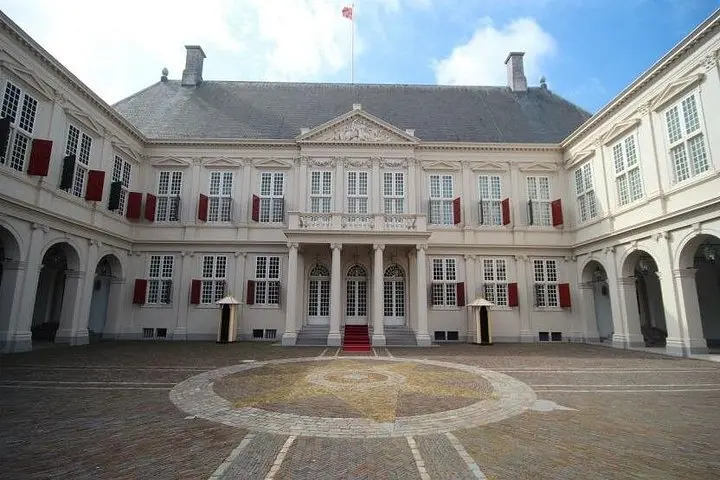
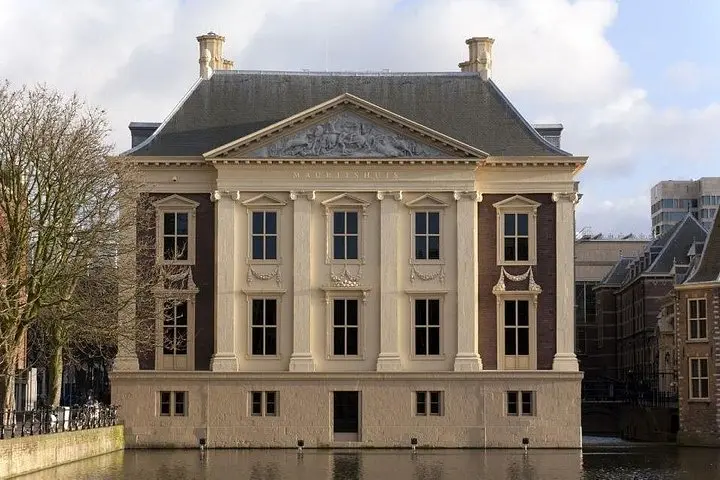
This self-guided walk threads 2–3 hours through The Hague’s political core — Binnenhof, Noordeinde Palace, Lange Voorhout and tucked-away city palaces. Centuries of Dutch governance and merchant wealth are written in the façades: 17th- and 18th-century stone, royal addresses, and sculpted civic memorials that mark political drama and reform. Geology here is flat coastal clay; the low land allowed a dense urban plan where canals and ponds set the rhythm of streets.
Culture arrives in small gestures: a statue pointing toward the seat of parliament, a palace turned exhibition space for M.C. Escher, and quiet squares where civic life pauses over coffee. The tour’s GPS narration supplies context on the murders of 1672, the role of grand pensionaries, and the architectural decisions of figures like Daniël Marot.
Practical guidance: plan for 2–3 hours of steady walking on mixed paving—cobbles, plaza stone, and sidewalks. Bring a charged smartphone with data or offline maps; the app uses your location to trigger commentary and route cues. Expect crowds around parliamentary buildings mid-morning and tram/bike traffic on main arteries; allow extra time for photos and a museum stop if you choose. Weather changes quickly near the coast—pack a light rain layer and comfortable footwear. Accessibility is generally good, but some historic surfaces are uneven; check mobility options in the app before you go.
Yes — the tour uses a web app (Onze WebApp) or mobile interface; download or load it and test audio before you start.
Most main streets and major sites are accessible, but some historic surfaces and smaller courtyards may be uneven — check accessibility notes in the app for specifics.
Yes — it’s self-guided: you control pace, pause narration, and follow alternate routes if you prefer.
No — museum entrances like Escher in Het Paleis are not included; plan extra time and buy tickets separately if you intend to go inside.
Niki Your TravelBuddy operates guided outdoor trips and adventures with an emphasis on safety, stewardship, and memorable experiences.

Stand by the bronze of Johan de Witt and feel the city unfold: the cool stillness of the Hofvijver, the click of tram rails, and a GPS voice that stitches you from one civic monument to the next.
Stand by the bronze of Johan de Witt and feel the city unfold: the cool stillness of the Hofvijver, the click of tram rails, and a GPS voice that stitches you from one civic monument to the next.
This self-guided walk threads 2–3 hours through The Hague’s political core — Binnenhof, Noordeinde Palace, Lange Voorhout and tucked-away city palaces. Centuries of Dutch governance and merchant wealth are written in the façades: 17th- and 18th-century stone, royal addresses, and sculpted civic memorials that mark political drama and reform. Geology here is flat coastal clay; the low land allowed a dense urban plan where canals and ponds set the rhythm of streets.
Culture arrives in small gestures: a statue pointing toward the seat of parliament, a palace turned exhibition space for M.C. Escher, and quiet squares where civic life pauses over coffee. The tour’s GPS narration supplies context on the murders of 1672, the role of grand pensionaries, and the architectural decisions of figures like Daniël Marot.
Practical guidance: plan for 2–3 hours of steady walking on mixed paving—cobbles, plaza stone, and sidewalks. Bring a charged smartphone with data or offline maps; the app uses your location to trigger commentary and route cues. Expect crowds around parliamentary buildings mid-morning and tram/bike traffic on main arteries; allow extra time for photos and a museum stop if you choose. Weather changes quickly near the coast—pack a light rain layer and comfortable footwear. Accessibility is generally good, but some historic surfaces are uneven; check mobility options in the app before you go.