THE ADVENTURE COLLECTIVE® · Independent discovery and booking for outdoor travel

Walk Diyarbakır’s UNESCO-listed black basalt walls, visit Roman battlements at Zerzevan Castle and explore centuries of faith and trade across two private days. This guided itinerary blends archaeological sites, living music traditions and regional cuisine for travelers who want context with their sights.
Walk Diyarbakır’s UNESCO-listed black basalt walls, visit Roman battlements at Zerzevan Castle and explore centuries of faith and trade across two private days. This guided itinerary blends archaeological sites, living music traditions and regional cuisine for travelers who want context with their sights.
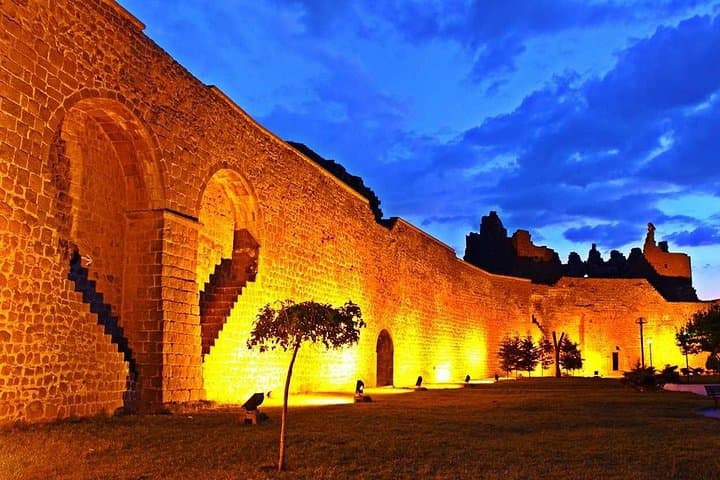
Morning light slides across basalt ramparts as you step onto Diyarbakır’s black stone walls, the city opening like a layered map beneath the Four-Legged Minaret. Over two days a private guide threads the story of this southeastern Anatolian hub—its mudbrick alleyways, river crossings and fortress ruins—into a walking itinerary that balances time-worn monuments with local color.
Verified experiences and guided adventures in the surrounding area.
Operated by Blue Bosphorus Tours · Diyarbakır, Diyarbakır Province
Morning light slides across basalt ramparts as you step onto Diyarbakır’s black stone walls, the city opening like a layered map beneath the Four-Legged Minaret. Over two days a private guide threads the story of this southeastern Anatolian hub—its mudbrick alleyways, river crossings and fortress ruins—into a walking itinerary that balances time-worn monuments with local color.
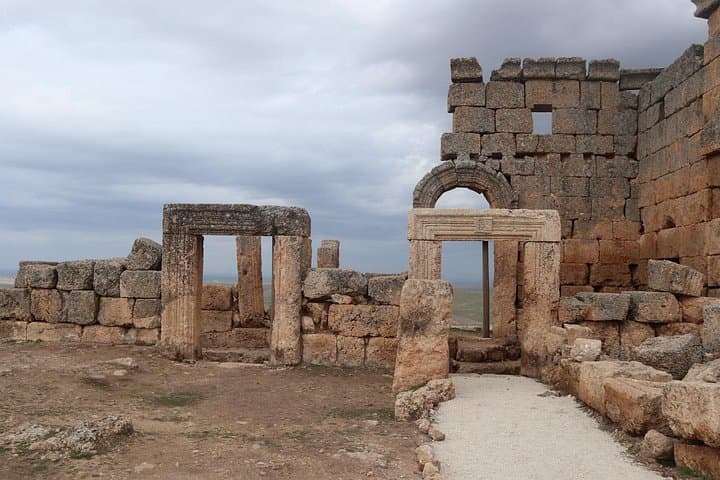
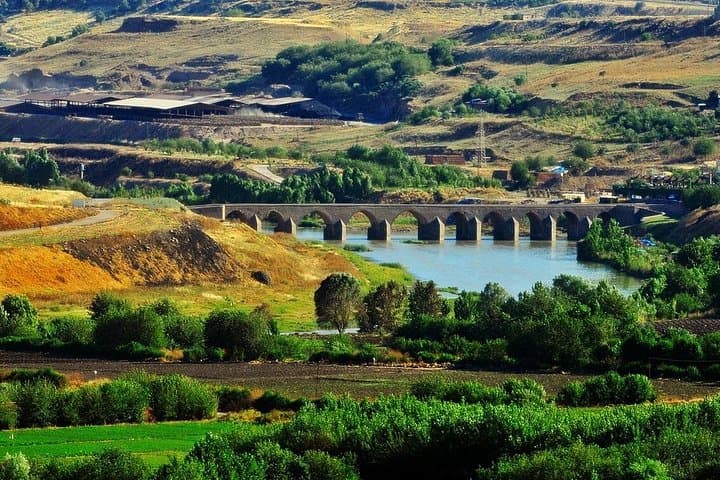
The city walls date to the Hellenistic and Roman eras, rebuilt by Byzantine, Artukid and Ottoman hands; Zerzevan Castle, set on a strategic hill outside the city, preserves Roman military architecture and subterranean cisterns. St. Giragos and Meryem Ana reflect the area's Armenian and early Christian presence, while the Grand Mosque and Hz. Süleyman complex trace Islamic and Ottoman layers. The Tigris’ flow carved trade routes here, and Öngözlü Bridge still channels seasonal pulse.
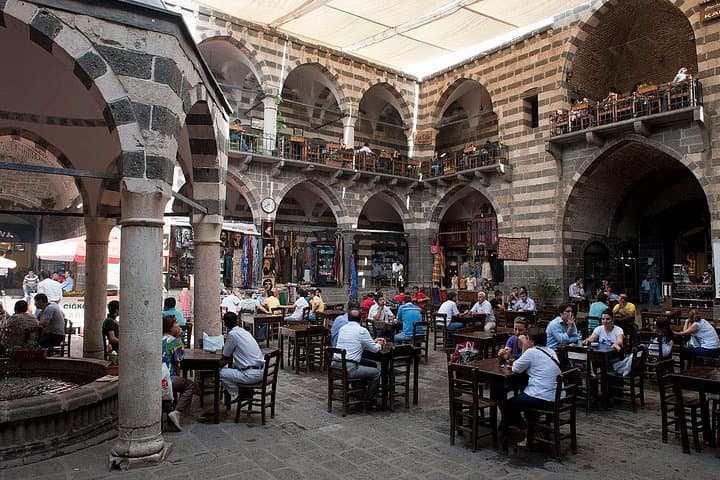
Expect uneven stone paving, short steep sections on the ramparts and a mix of indoor and outdoor time—museums, bazaars, a fortified citadel and an archaeological site. Pace your two-day schedule to include morning wall walks when heat is low, a late-afternoon visit to Zerzevan for long light, and a relaxed lunch to sample local kebabs and liver dishes.
Bring a comfortable pair of shoes with good soles, a sun hat, refillable water bottle and a light pack; modest clothing is required for mosque and church interiors. Allow time for photography and conversations with local artisans—Diyarbakır rewards attentive, steady travel. Book a private guide to navigate permissions and to deepen context with local storytellers and dengbejs for an informed visit.
The tour's itinerary indicates admissions are included for listed sites; confirm details with your operator before travel.
A moderate level of fitness is recommended—expect multiple short walks, stair sections and periods standing during site visits.
Yes, this listing describes a private tour; guides commonly adjust pace and focus to interests like archaeology, religion or local cuisine.
Guides typically speak Turkish and often English; request language preferences at booking to ensure availability.
Blue Bosphorus Tours operates guided outdoor trips and adventures with an emphasis on safety, stewardship, and memorable experiences.
Morning light slides across basalt ramparts as you step onto Diyarbakır’s black stone walls, the city opening like a layered map beneath the Four-Legged Minaret. Over two days a private guide threads the story of this southeastern Anatolian hub—its mudbrick alleyways, river crossings and fortress ruins—into a walking itinerary that balances time-worn monuments with local color.
Morning light slides across basalt ramparts as you step onto Diyarbakır’s black stone walls, the city opening like a layered map beneath the Four-Legged Minaret. Over two days a private guide threads the story of this southeastern Anatolian hub—its mudbrick alleyways, river crossings and fortress ruins—into a walking itinerary that balances time-worn monuments with local color.
The city walls date to the Hellenistic and Roman eras, rebuilt by Byzantine, Artukid and Ottoman hands; Zerzevan Castle, set on a strategic hill outside the city, preserves Roman military architecture and subterranean cisterns. St. Giragos and Meryem Ana reflect the area's Armenian and early Christian presence, while the Grand Mosque and Hz. Süleyman complex trace Islamic and Ottoman layers. The Tigris’ flow carved trade routes here, and Öngözlü Bridge still channels seasonal pulse.
Expect uneven stone paving, short steep sections on the ramparts and a mix of indoor and outdoor time—museums, bazaars, a fortified citadel and an archaeological site. Pace your two-day schedule to include morning wall walks when heat is low, a late-afternoon visit to Zerzevan for long light, and a relaxed lunch to sample local kebabs and liver dishes.
Bring a comfortable pair of shoes with good soles, a sun hat, refillable water bottle and a light pack; modest clothing is required for mosque and church interiors. Allow time for photography and conversations with local artisans—Diyarbakır rewards attentive, steady travel. Book a private guide to navigate permissions and to deepen context with local storytellers and dengbejs for an informed visit.