THE ADVENTURE COLLECTIVE® · Independent discovery and booking for outdoor travel

Start in a calm pool and learn breath control, relaxation and equalization with experienced instructors before choosing an optional boat-based sea session. This intro course on Koh Lanta is ideal for swimmers ready to explore freediving fundamentals in the Andaman Sea.
Start in a calm pool and learn breath control, relaxation and equalization with experienced instructors before choosing an optional boat-based sea session. This intro course on Koh Lanta is ideal for swimmers ready to explore freediving fundamentals in the Andaman Sea.
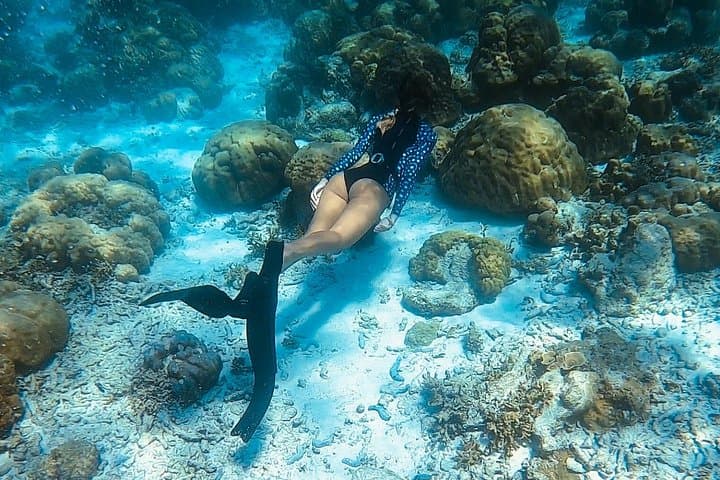
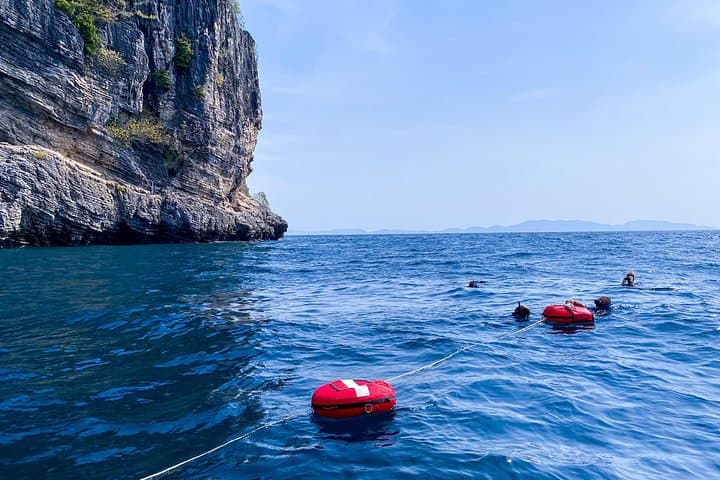
The pool is unexpectedly quiet: only the slight hiss of swimmers and the soft instruction of an international coach. In Koh Lanta, that first breath-hold takes place in chlorine-clear water before the Andaman Sea calls. Students learn breathing cycles, relaxation and equalization in a controlled pool environment, then—if confident—can move to a boat-based sea session to meet coral fringes and reef fish.
Verified experiences and guided adventures in the surrounding area.
Operated by Phoenix Divers Koh Lanta · Saladan, Krabi Province
The pool is unexpectedly quiet: only the slight hiss of swimmers and the soft instruction of an international coach. In Koh Lanta, that first breath-hold takes place in chlorine-clear water before the Andaman Sea calls. Students learn breathing cycles, relaxation and equalization in a controlled pool environment, then—if confident—can move to a boat-based sea session to meet coral fringes and reef fish.
Koh Lanta sits off Thailand’s Andaman coast, a strip of low hills, mangroves and fringing reefs shaped by limestone and monsoon seasons. The island’s communities blend southern Thai and sea-born fishing culture; Old Town still shows wooden stilt houses and daily boat traffic. Freediving here is less about deep records and more about calm, body-awareness and the slow commerce of ocean life: triggerfish, parrotfish and occasional rays that patrol reef edges.
Practical guidance: arrive hydrated and rested, avoid heavy meals two hours before breath-hold work, and plan morning sessions when winds and boat traffic are lowest. Expect a progressive lesson—pool basics first, then an optional sea module by boat for certified progress. Bring a low-volume mask and long fins if you have them; instructors supply basics but small personal gear makes learning faster.
Safety is emphasized: an instructor accompanies every breath-hold and the program excludes pregnant travelers and those with cardiovascular or spinal issues. Best season for clear sea visibility is November–April; monsoon months (May–October) can bring choppier conditions and reduced boat access. For newcomers, freediving in Koh Lanta is an exercise in calm, control and seeing the reef on a slower scale.
No—this intro focuses on pool-based basics; instructors start with breathing and relaxation before any sea sessions.
Pool sessions are training; a follow-up sea module and performance may lead to a certification depending on provider policies and a separate booking.
November–April typically offers the calmest seas and clearest visibility; the monsoon season (May–October) can be windier and choppier.
Providers usually set age minimums and will not accept pregnant travelers or people with serious heart or spinal conditions—disclose health issues during booking.
Phoenix Divers Koh Lanta operates guided outdoor trips and adventures with an emphasis on safety, stewardship, and memorable experiences.
The pool is unexpectedly quiet: only the slight hiss of swimmers and the soft instruction of an international coach. In Koh Lanta, that first breath-hold takes place in chlorine-clear water before the Andaman Sea calls. Students learn breathing cycles, relaxation and equalization in a controlled pool environment, then—if confident—can move to a boat-based sea session to meet coral fringes and reef fish.
The pool is unexpectedly quiet: only the slight hiss of swimmers and the soft instruction of an international coach. In Koh Lanta, that first breath-hold takes place in chlorine-clear water before the Andaman Sea calls. Students learn breathing cycles, relaxation and equalization in a controlled pool environment, then—if confident—can move to a boat-based sea session to meet coral fringes and reef fish.
Koh Lanta sits off Thailand’s Andaman coast, a strip of low hills, mangroves and fringing reefs shaped by limestone and monsoon seasons. The island’s communities blend southern Thai and sea-born fishing culture; Old Town still shows wooden stilt houses and daily boat traffic. Freediving here is less about deep records and more about calm, body-awareness and the slow commerce of ocean life: triggerfish, parrotfish and occasional rays that patrol reef edges.
Practical guidance: arrive hydrated and rested, avoid heavy meals two hours before breath-hold work, and plan morning sessions when winds and boat traffic are lowest. Expect a progressive lesson—pool basics first, then an optional sea module by boat for certified progress. Bring a low-volume mask and long fins if you have them; instructors supply basics but small personal gear makes learning faster.
Safety is emphasized: an instructor accompanies every breath-hold and the program excludes pregnant travelers and those with cardiovascular or spinal issues. Best season for clear sea visibility is November–April; monsoon months (May–October) can bring choppier conditions and reduced boat access. For newcomers, freediving in Koh Lanta is an exercise in calm, control and seeing the reef on a slower scale.