THE ADVENTURE COLLECTIVE® · Independent discovery and booking for outdoor travel

Explore Jaipur beyond the palace façades on a private four-hour walking tour that navigates quiet bylanes, painted havelis and street-food stalls. This curated route reveals the Pink City’s lesser-known architecture and everyday culture with historical context and practical tips for the walk.
Explore Jaipur beyond the palace façades on a private four-hour walking tour that navigates quiet bylanes, painted havelis and street-food stalls. This curated route reveals the Pink City’s lesser-known architecture and everyday culture with historical context and practical tips for the walk.
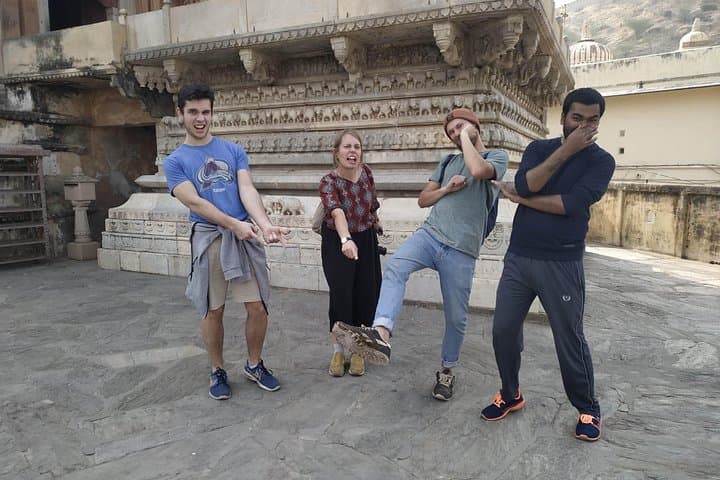
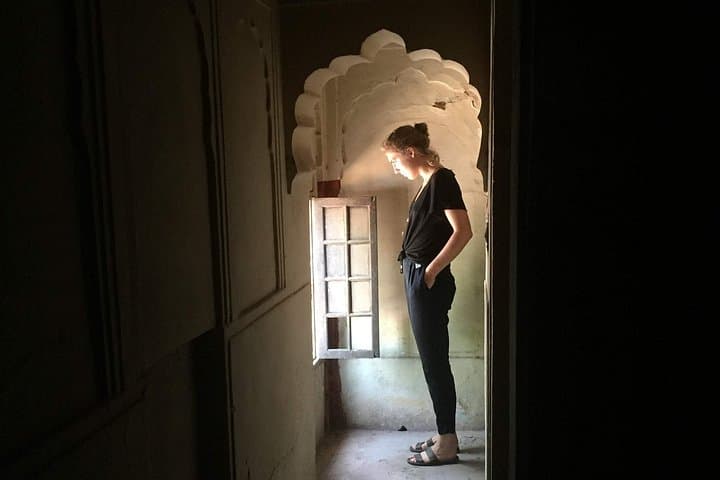
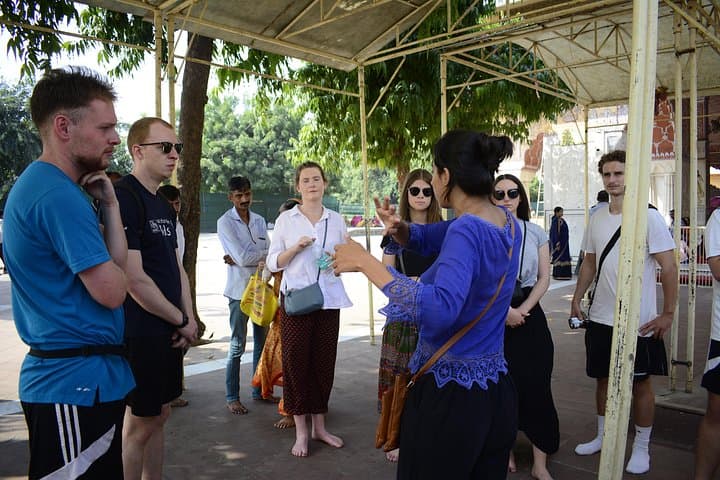
Morning light slants across narrow lanes as the city wakes — rickshaw bells ring, tea vendors light stoves and carved wooden doors open onto courtyards. The Hidden Gems Tour moves at a local pace: a private guide steers small groups into bylanes where faded frescoes, painted havelis and unexpected stepwells reveal Jaipur beyond the postcard façades.
Verified experiences and guided adventures in the surrounding area.
Operated by Storyboard Tours · Jaipur, Rajasthan
Morning light slants across narrow lanes as the city wakes — rickshaw bells ring, tea vendors light stoves and carved wooden doors open onto courtyards. The Hidden Gems Tour moves at a local pace: a private guide steers small groups into bylanes where faded frescoes, painted havelis and unexpected stepwells reveal Jaipur beyond the postcard façades.
Jaipur was planned in 1727 by Maharaja Sawai Jai Singh II and later painted pink in 1876 to welcome a visiting prince; the city’s stonework mixes red and pink sandstone with later plasterwork that frames intricate jaali screens. This walk threads cultural history with everyday life — from merchant lanes and snack stalls serving kachori and masala chai to quiet funerary stones and small temples that mark community memory.
Expect roughly 3–4 km of mostly flat, cobbled and paved surfaces over four hours, interspersed with short pauses to hear the stories behind each stop. The route emphasizes cultural context: how trade shaped neighbourhoods, how local artisans work today, and why certain façades are painted the city’s famous hue.
Practical guidance: start early to avoid heat and crowds, wear comfortable shoes with good grip, and carry a refillable water bottle. Bring small change for snacks and modest clothing for temple visits. Photography is welcomed but ask before shooting people. Because the tour visits small, sometimes narrow sites, travelers with significant mobility limitations should check access in advance. This private, curated walk delivers a direct, sensory view of the Pink City’s lesser-known corners while grounding each discovery in history and local life.
Meeting and end points are arranged with the operator — usually in central Jaipur near a main hotel or agreed public landmark; confirmation will specify exact pickup for private tours.
The tour is listed as stroller-accessible but expect narrow lanes and occasional steps; parents should evaluate comfort with crowds and street noise.
Entry fees for monuments are generally not included and may be charged separately; the operator notes that monument entry fees are covered as “other” in inclusions for some stops — confirm at booking.
Guides can usually help select snacks that match dietary needs, but those with strict allergies should inform the operator in advance and consider bringing preferred snacks.
Storyboard Tours operates guided outdoor trips and adventures with an emphasis on safety, stewardship, and memorable experiences.

Morning light slants across narrow lanes as the city wakes — rickshaw bells ring, tea vendors light stoves and carved wooden doors open onto courtyards. The Hidden Gems Tour moves at a local pace: a private guide steers small groups into bylanes where faded frescoes, painted havelis and unexpected stepwells reveal Jaipur beyond the postcard façades.
Morning light slants across narrow lanes as the city wakes — rickshaw bells ring, tea vendors light stoves and carved wooden doors open onto courtyards. The Hidden Gems Tour moves at a local pace: a private guide steers small groups into bylanes where faded frescoes, painted havelis and unexpected stepwells reveal Jaipur beyond the postcard façades.
Jaipur was planned in 1727 by Maharaja Sawai Jai Singh II and later painted pink in 1876 to welcome a visiting prince; the city’s stonework mixes red and pink sandstone with later plasterwork that frames intricate jaali screens. This walk threads cultural history with everyday life — from merchant lanes and snack stalls serving kachori and masala chai to quiet funerary stones and small temples that mark community memory.
Expect roughly 3–4 km of mostly flat, cobbled and paved surfaces over four hours, interspersed with short pauses to hear the stories behind each stop. The route emphasizes cultural context: how trade shaped neighbourhoods, how local artisans work today, and why certain façades are painted the city’s famous hue.
Practical guidance: start early to avoid heat and crowds, wear comfortable shoes with good grip, and carry a refillable water bottle. Bring small change for snacks and modest clothing for temple visits. Photography is welcomed but ask before shooting people. Because the tour visits small, sometimes narrow sites, travelers with significant mobility limitations should check access in advance. This private, curated walk delivers a direct, sensory view of the Pink City’s lesser-known corners while grounding each discovery in history and local life.