THE ADVENTURE COLLECTIVE® · Independent discovery and booking for outdoor travel

A week-long circuit through Jordan’s most iconic landscapes: Roman Jerash, mosaic Madaba, the carved city of Petra, Lawrence-era Wadi Rum and the buoyant Dead Sea. Expect guided walks, jeep routes and a mix of hotels and a desert camp.
A week-long circuit through Jordan’s most iconic landscapes: Roman Jerash, mosaic Madaba, the carved city of Petra, Lawrence-era Wadi Rum and the buoyant Dead Sea. Expect guided walks, jeep routes and a mix of hotels and a desert camp.
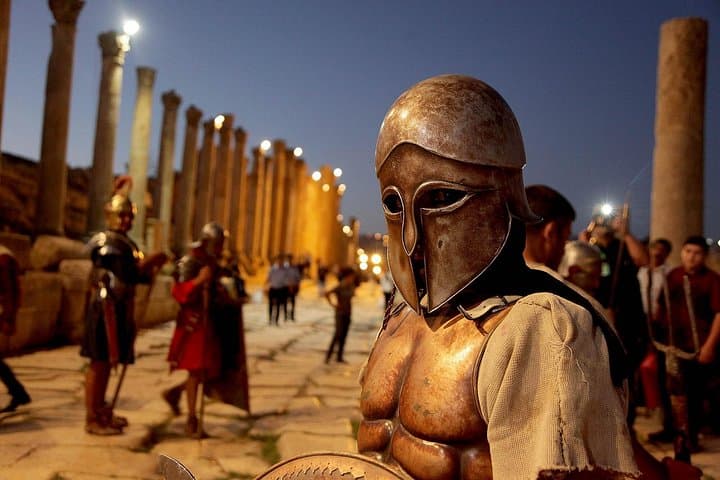
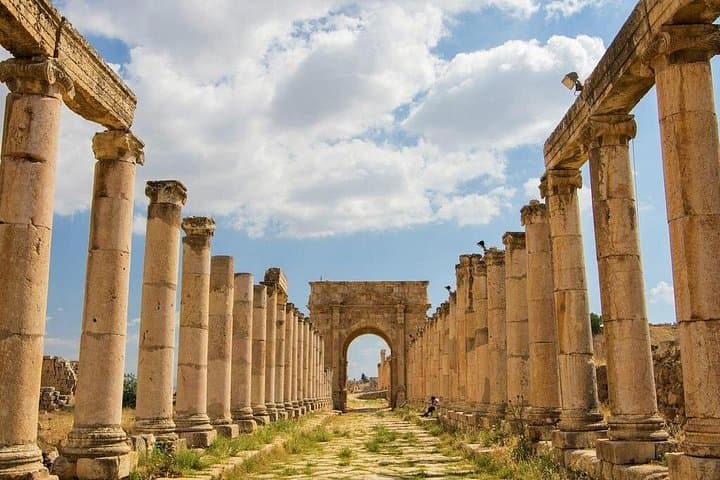
You step off the vehicle in the cool curve of the Siq and the sandstone throat of Petra exhales—crimson walls closing, narrowing, then opening onto the Treasury like the stage of an ancient world. Over the next seven days the country pushes and softens around you: Roman colonnades in Jerash, pine-sloped ruins at Ajloun, the basalt outlines of Karak, and the sharp, wind-sculpted sandstone of Wadi Rum where night presses a vault of stars.
Verified experiences and guided adventures in the surrounding area.
Operated by Jordan Horizons Tours - private & custom Jordan Tours & Trips · Amman, Amman Governorate
You step off the vehicle in the cool curve of the Siq and the sandstone throat of Petra exhales—crimson walls closing, narrowing, then opening onto the Treasury like the stage of an ancient world. Over the next seven days the country pushes and softens around you: Roman colonnades in Jerash, pine-sloped ruins at Ajloun, the basalt outlines of Karak, and the sharp, wind-sculpted sandstone of Wadi Rum where night presses a vault of stars.
Jordan’s story is layered: Hellenistic cities over Roman streets, Byzantine mosaic work in Madaba, and Nabatean engineering carved into red rock. Geologically the Rift Valley and adjacent plateaus explain the Dead Sea’s extreme salinity and the canyoned incisions of Wadi Mujib; culturally, centuries of trade and pilgrimage shape roadside towns, traditional Bedouin hospitality and food.
Expect guided walks through Petra (the 1.2 km Siq to the Treasury), jeep and short hikes in Wadi Rum, castle visits in Karak and Jerash, and downtime to float on the Dead Sea. Accommodations range from Amman and Petra hotels to a Bedouin camp in Wadi Rum.
Practical edge: start days early for cooler light, carry 2–3 liters water, sun protection and sturdy footwear for uneven rock and stairs (Petra’s steps and Wadi Rum’s sandstone require grippy soles). Desert nights are cold—bring a warm layer. Respect local customs—dress modestly in towns and when visiting religious sites. The itinerary moves by vehicle; pacing is steady but expect walking up to several hours on Day 4 in Petra. With moderate fitness and sensible gear, this route delivers archaeology, desert silence, and the uncanny buoyancy of the Dead Sea.
Many nationalities receive a visa on arrival if staying two or more consecutive nights; confirm with the operator and provide passport details in advance for visa facilitation.
Petra involves a guided 3-hour core tour through the Siq and around the Treasury with additional optional climbs (up to 800 steps to the Monastery) for fitter travelers.
Camping ranges from traditional Bedouin-style camps with basic facilities to more comfortable options; expect shared amenities, a BBQ dinner and potentially cool nights.
You can float safely—avoid getting water in eyes or mouth, do not dive, and rinse off with fresh water after to remove the salty residue.
Jordan Horizons Tours - private & custom Jordan Tours & Trips operates guided outdoor trips and adventures with an emphasis on safety, stewardship, and memorable experiences.


You step off the vehicle in the cool curve of the Siq and the sandstone throat of Petra exhales—crimson walls closing, narrowing, then opening onto the Treasury like the stage of an ancient world. Over the next seven days the country pushes and softens around you: Roman colonnades in Jerash, pine-sloped ruins at Ajloun, the basalt outlines of Karak, and the sharp, wind-sculpted sandstone of Wadi Rum where night presses a vault of stars.
You step off the vehicle in the cool curve of the Siq and the sandstone throat of Petra exhales—crimson walls closing, narrowing, then opening onto the Treasury like the stage of an ancient world. Over the next seven days the country pushes and softens around you: Roman colonnades in Jerash, pine-sloped ruins at Ajloun, the basalt outlines of Karak, and the sharp, wind-sculpted sandstone of Wadi Rum where night presses a vault of stars.
Jordan’s story is layered: Hellenistic cities over Roman streets, Byzantine mosaic work in Madaba, and Nabatean engineering carved into red rock. Geologically the Rift Valley and adjacent plateaus explain the Dead Sea’s extreme salinity and the canyoned incisions of Wadi Mujib; culturally, centuries of trade and pilgrimage shape roadside towns, traditional Bedouin hospitality and food.
Expect guided walks through Petra (the 1.2 km Siq to the Treasury), jeep and short hikes in Wadi Rum, castle visits in Karak and Jerash, and downtime to float on the Dead Sea. Accommodations range from Amman and Petra hotels to a Bedouin camp in Wadi Rum.
Practical edge: start days early for cooler light, carry 2–3 liters water, sun protection and sturdy footwear for uneven rock and stairs (Petra’s steps and Wadi Rum’s sandstone require grippy soles). Desert nights are cold—bring a warm layer. Respect local customs—dress modestly in towns and when visiting religious sites. The itinerary moves by vehicle; pacing is steady but expect walking up to several hours on Day 4 in Petra. With moderate fitness and sensible gear, this route delivers archaeology, desert silence, and the uncanny buoyancy of the Dead Sea.