THE ADVENTURE COLLECTIVE® · Independent discovery and booking for outdoor travel

An eight-day private route through Jordan that stitches together Roman ruins, Byzantine mosaics, Nabataean rock cities, and desert plateaus. Practical, flexible and paced to balance driving with walking and time to savor Petra, Wadi Rum and the Dead Sea.
An eight-day private route through Jordan that stitches together Roman ruins, Byzantine mosaics, Nabataean rock cities, and desert plateaus. Practical, flexible and paced to balance driving with walking and time to savor Petra, Wadi Rum and the Dead Sea.
You step from the shaded terminal into a warm sweep of air and the driver lifts your luggage into a modern, air-conditioned van — the first of many small comforts on an itinerary that moves like a thread through Jordan’s long history. Over eight days the country opens in chapters: the layered ruins of Amman; the Roman columns of Jerash; the Byzantine mosaics of Madaba; the carved facades of Petra; the red-rock silence of Wadi Rum; and the buoyant, almost otherworldly calm of the Dead Sea.
Verified experiences and guided adventures in the surrounding area.
Operated by VIP Jordan Limo · Amman, Amman Governorate
You step from the shaded terminal into a warm sweep of air and the driver lifts your luggage into a modern, air-conditioned van — the first of many small comforts on an itinerary that moves like a thread through Jordan’s long history. Over eight days the country opens in chapters: the layered ruins of Amman; the Roman columns of Jerash; the Byzantine mosaics of Madaba; the carved facades of Petra; the red-rock silence of Wadi Rum; and the buoyant, almost otherworldly calm of the Dead Sea.
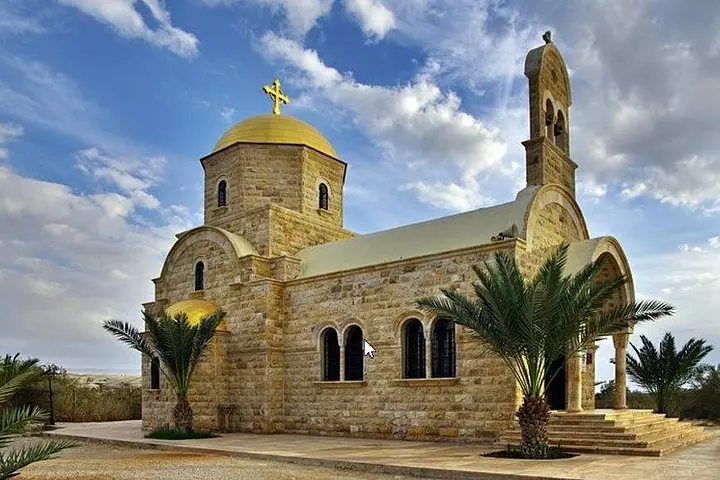
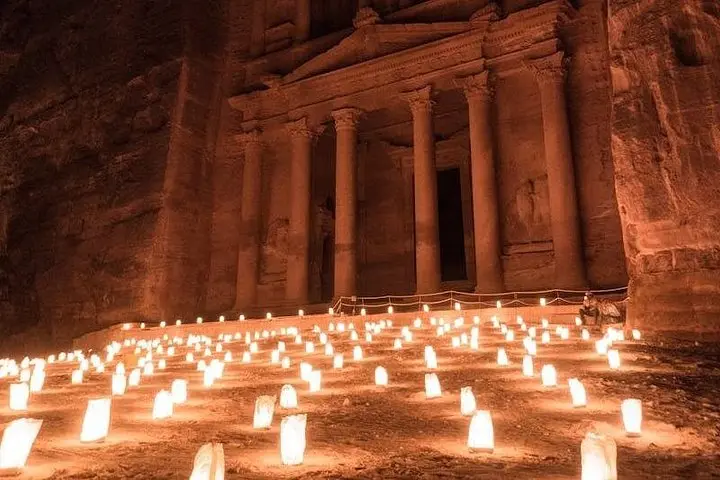
The tour traces civilizations. Amman perches where the Ammonites once held sway; Jerash preserves one of the Middle East’s most complete Roman cities with colonnaded streets that still read like a city plan. Madaba’s St. George Church holds a fifth-century mosaic map — a practical guide for pilgrims and a window into early Christian cartography. Petra, the Nabataean capital, rewards those prepared to walk: expect several miles of wandering through the Siq, along exposed rock-cut facades and up stone steps to viewpoints such as the Monastery, where stair climbs feel earned and ancient trade routes seem to converge beneath your feet.
Wadi Rum is geology made dramatic — sandstone and granite towers that weather into arches and alcoves, sand that slides beneath boots and dares you to climb a dune for the view. In Aqaba the Red Sea invites snorkeling on coral reefs; the Dead Sea, at approximately 430 meters below sea level, lets you float without effort and offers mineral-rich mud said to be good for skin.
Culturally the trip is threaded with hospitality. Drivers and local guides are often Bedouin or long-time Amman residents who can point out Ottoman-era houses, tell the provenance of a mosaic tile, or advise where to try mansaf — Jordan’s signature lamb and rice dish.
Practical notes: the program mixes driving and walking; plan on 2–6 miles (3–10 km) of walking on full-tour days, and prepare for stair climbs and uneven stone in Petra and steep desert trails in Wadi Rum. Temperatures swing: summer heat is intense, winters can be cool at higher elevation. Bring a water bottle, sun protection, sturdy walking shoes with good grip, and layers for mornings and evenings.
For a private tour, flexibility is the advantage — you can add a hot-air balloon at dawn over Wadi Rum or linger longer at a Dead Sea resort. Bookings typically include private transport, an English-speaking driver, onboard Wi‑Fi and bottled water, and a straightforward luggage allowance. With a steady pace and a bit of curiosity, this eight-day route is a compact, practical immersion into Jordan’s landscape, history and hospitality.
Yes — pickup from Queen Alia International Airport can be arranged; the operator typically meets guests with a personalized sign.
Accommodation level is selectable at booking, from 3–5 star and luxury options; meals are included as specified in the itinerary.
Yes — both are offered as optional extras, usually available in Wadi Rum or Petra for an additional cost.
Many nationalities can obtain a Jordan visa on arrival or via e-visa; check current requirements before travel and carry passport details requested at booking.
The operator notes wheelchair accessibility for transport, but many heritage sites have uneven terrain and steps — accessibility on-site may be limited.
Full refund if cancelled at least 6 full days before departure; 50% refund between 2–6 days; no refund within 2 days of departure.
VIP Jordan Limo operates guided outdoor trips and adventures with an emphasis on safety, stewardship, and memorable experiences.

You step from the shaded terminal into a warm sweep of air and the driver lifts your luggage into a modern, air-conditioned van — the first of many small comforts on an itinerary that moves like a thread through Jordan’s long history. Over eight days the country opens in chapters: the layered ruins of Amman; the Roman columns of Jerash; the Byzantine mosaics of Madaba; the carved facades of Petra; the red-rock silence of Wadi Rum; and the buoyant, almost otherworldly calm of the Dead Sea.
You step from the shaded terminal into a warm sweep of air and the driver lifts your luggage into a modern, air-conditioned van — the first of many small comforts on an itinerary that moves like a thread through Jordan’s long history. Over eight days the country opens in chapters: the layered ruins of Amman; the Roman columns of Jerash; the Byzantine mosaics of Madaba; the carved facades of Petra; the red-rock silence of Wadi Rum; and the buoyant, almost otherworldly calm of the Dead Sea.
The tour traces civilizations. Amman perches where the Ammonites once held sway; Jerash preserves one of the Middle East’s most complete Roman cities with colonnaded streets that still read like a city plan. Madaba’s St. George Church holds a fifth-century mosaic map — a practical guide for pilgrims and a window into early Christian cartography. Petra, the Nabataean capital, rewards those prepared to walk: expect several miles of wandering through the Siq, along exposed rock-cut facades and up stone steps to viewpoints such as the Monastery, where stair climbs feel earned and ancient trade routes seem to converge beneath your feet.
Wadi Rum is geology made dramatic — sandstone and granite towers that weather into arches and alcoves, sand that slides beneath boots and dares you to climb a dune for the view. In Aqaba the Red Sea invites snorkeling on coral reefs; the Dead Sea, at approximately 430 meters below sea level, lets you float without effort and offers mineral-rich mud said to be good for skin.
Culturally the trip is threaded with hospitality. Drivers and local guides are often Bedouin or long-time Amman residents who can point out Ottoman-era houses, tell the provenance of a mosaic tile, or advise where to try mansaf — Jordan’s signature lamb and rice dish.
Practical notes: the program mixes driving and walking; plan on 2–6 miles (3–10 km) of walking on full-tour days, and prepare for stair climbs and uneven stone in Petra and steep desert trails in Wadi Rum. Temperatures swing: summer heat is intense, winters can be cool at higher elevation. Bring a water bottle, sun protection, sturdy walking shoes with good grip, and layers for mornings and evenings.
For a private tour, flexibility is the advantage — you can add a hot-air balloon at dawn over Wadi Rum or linger longer at a Dead Sea resort. Bookings typically include private transport, an English-speaking driver, onboard Wi‑Fi and bottled water, and a straightforward luggage allowance. With a steady pace and a bit of curiosity, this eight-day route is a compact, practical immersion into Jordan’s landscape, history and hospitality.