THE ADVENTURE COLLECTIVE® · Independent discovery and booking for outdoor travel

A compact four-day loop through Amman, the Dead Sea and Petra that balances archaeological wonder with desert landscapes. Practical advice for walking Petra’s Siq, floating safely in the Dead Sea, and timing visits to avoid heat and crowds.
A compact four-day loop through Amman, the Dead Sea and Petra that balances archaeological wonder with desert landscapes. Practical advice for walking Petra’s Siq, floating safely in the Dead Sea, and timing visits to avoid heat and crowds.
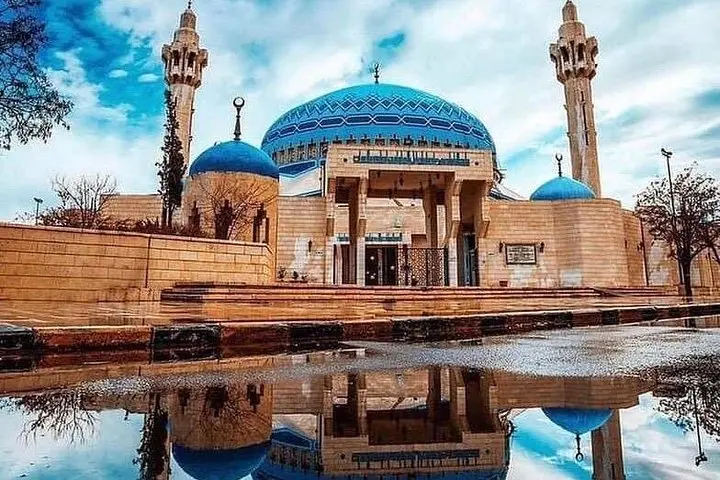
You step off the plane into the soft heat of Amman, the city’s limestone facades bright against a deep blue sky. A short transfer threads through hills that hold Roman ruins and modern apartment blocks, and the road south opens to the flat, glassy surface of the Dead Sea daring you to float.
Verified experiences and guided adventures in the surrounding area.
Operated by PETRA MOUNTAINS TOURS · Amman, Amman
You step off the plane into the soft heat of Amman, the city’s limestone facades bright against a deep blue sky. A short transfer threads through hills that hold Roman ruins and modern apartment blocks, and the road south opens to the flat, glassy surface of the Dead Sea daring you to float.
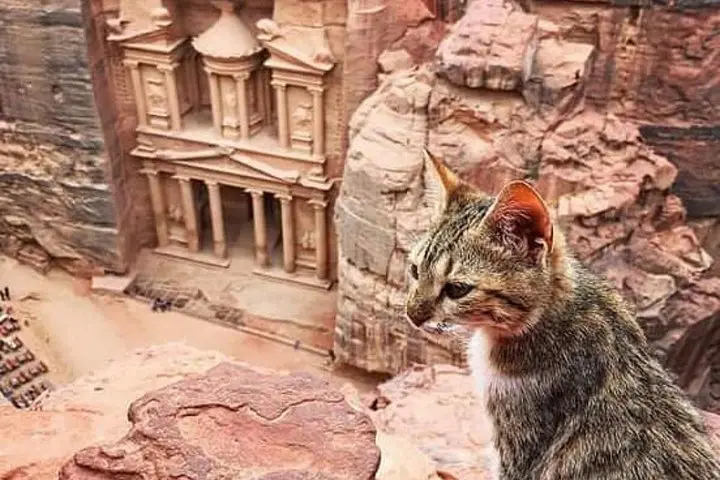
This four-day route stitches together Jordan’s key chapters: Amman’s Citadel and Roman theatre that mark an ancient urban continuity; the Dead Sea basin, the planet’s lowest exposed elevation at about -430 m; and Petra, the Nabataean capital carved from rose-red sandstone where the Siq funnels visitors toward the iconic Treasury. Jerash closes the loop with a Roman colonnaded street and well-preserved forum that reveal the province’s imperial imprint.
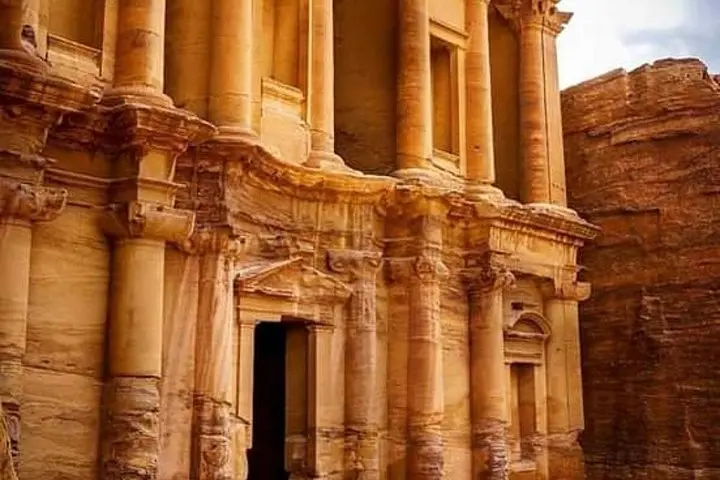
Geology here is hands-on—soft, stratified sandstone in Petra allows intricate façades, while the Dead Sea region is salt-encrusted and hyper-arid. Culture is immediate: markets in Amman hum with spice vendors and coffee, guides recount Nabataean trade routes, and local hospitality is literal—tea offered without ceremony.
Practically: expect several miles of walking on uneven stone in Petra (the Siq is ~1.2 km; many visitors continue another 1–2 km to major tombs). Moderate fitness makes the days comfortable; mornings and late afternoons are best to avoid heat and crowds. Carry 2–3 liters of water, sun protection, and sturdy shoes. Be prepared for tipping at horse or carriage services and for limited shade in archaeological zones. With basic preparation, this compact itinerary delivers archaeology, desert landscapes, and the peculiar calm of the Dead Sea in four active days.
Petra tickets are sold at the visitor centre and can be purchased on arrival, but during peak season or for specific access days it’s wise to buy in advance; Jerash tickets are typically purchased on-site.
Floating is safe if you avoid ingesting water and keep eyes and open cuts protected; enter slowly, do not shave immediately before visiting, and rinse off in freshwater afterwards.
Short horse rides from the entrance to the Siq are offered (about 700 m); handlers commonly expect tips and rides are optional—exercise caution with children.
Major sites have rough terrain and steps; some areas offer vehicle drop-offs but full accessibility is limited—contact the operator to arrange special assistance.
PETRA MOUNTAINS TOURS operates guided outdoor trips and adventures with an emphasis on safety, stewardship, and memorable experiences.

You step off the plane into the soft heat of Amman, the city’s limestone facades bright against a deep blue sky. A short transfer threads through hills that hold Roman ruins and modern apartment blocks, and the road south opens to the flat, glassy surface of the Dead Sea daring you to float.
You step off the plane into the soft heat of Amman, the city’s limestone facades bright against a deep blue sky. A short transfer threads through hills that hold Roman ruins and modern apartment blocks, and the road south opens to the flat, glassy surface of the Dead Sea daring you to float.
This four-day route stitches together Jordan’s key chapters: Amman’s Citadel and Roman theatre that mark an ancient urban continuity; the Dead Sea basin, the planet’s lowest exposed elevation at about -430 m; and Petra, the Nabataean capital carved from rose-red sandstone where the Siq funnels visitors toward the iconic Treasury. Jerash closes the loop with a Roman colonnaded street and well-preserved forum that reveal the province’s imperial imprint.
Geology here is hands-on—soft, stratified sandstone in Petra allows intricate façades, while the Dead Sea region is salt-encrusted and hyper-arid. Culture is immediate: markets in Amman hum with spice vendors and coffee, guides recount Nabataean trade routes, and local hospitality is literal—tea offered without ceremony.
Practically: expect several miles of walking on uneven stone in Petra (the Siq is ~1.2 km; many visitors continue another 1–2 km to major tombs). Moderate fitness makes the days comfortable; mornings and late afternoons are best to avoid heat and crowds. Carry 2–3 liters of water, sun protection, and sturdy shoes. Be prepared for tipping at horse or carriage services and for limited shade in archaeological zones. With basic preparation, this compact itinerary delivers archaeology, desert landscapes, and the peculiar calm of the Dead Sea in four active days.