THE ADVENTURE COLLECTIVE® · Independent discovery and booking for outdoor travel

A six-day overland loop from Lagos that pairs sacred sites like Osun-Osogbo with game viewing at Kainji Lake and a guided cultural visit to the Kamberi region—expect long drives, basic lodgings, and strict etiquette around community visits.
A six-day overland loop from Lagos that pairs sacred sites like Osun-Osogbo with game viewing at Kainji Lake and a guided cultural visit to the Kamberi region—expect long drives, basic lodgings, and strict etiquette around community visits.
You leave Lagos before dawn and the highway opens up into broad savanna and the slow, patient presence of Kainji Lake. Dust lifts in the wake of the air-conditioned vehicle; roadside scrub and baobabs lean in as if to watch you pass. By evening you reach rivers that move with intent and small towns where markets hum long into the night.
Verified experiences and guided adventures in the surrounding area.
Operated by Ucomeafrik-Tours · New Bussa, Niger State
You leave Lagos before dawn and the highway opens up into broad savanna and the slow, patient presence of Kainji Lake. Dust lifts in the wake of the air-conditioned vehicle; roadside scrub and baobabs lean in as if to watch you pass. By evening you reach rivers that move with intent and small towns where markets hum long into the night.
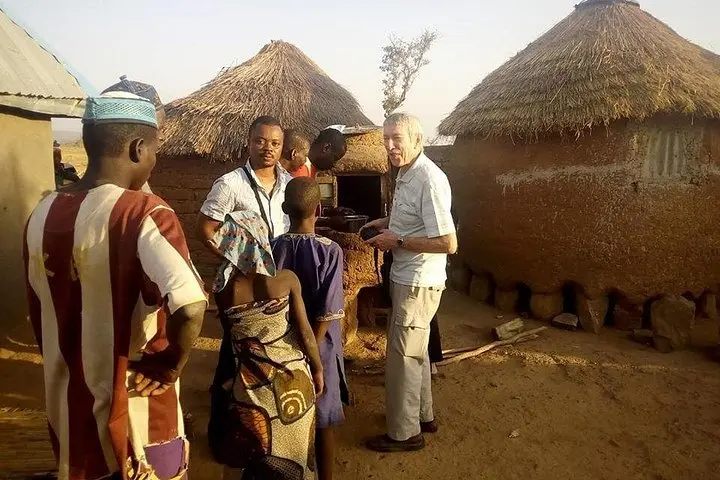
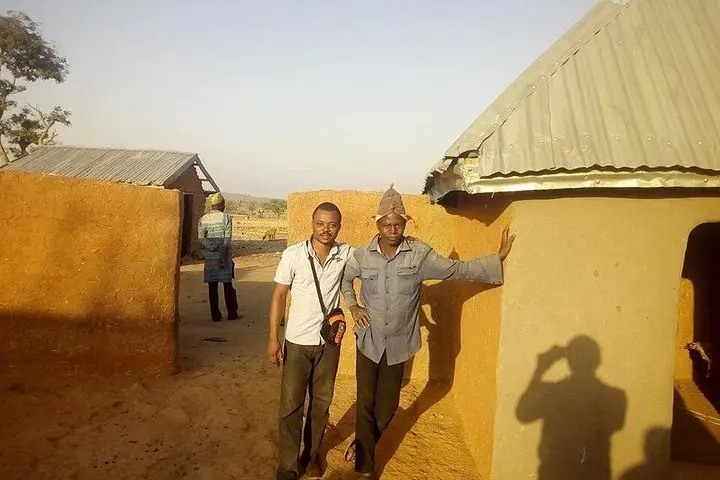
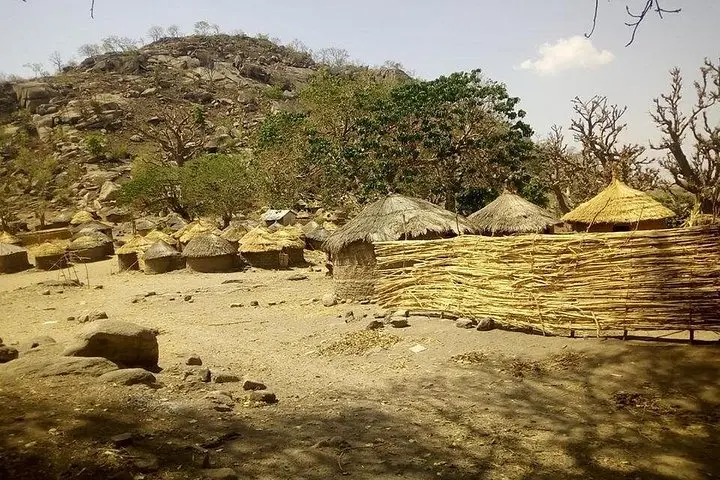
This itinerary threads cultural landmarks and protected wilderness. Osun-Osogbo’s sacred grove—an 800-year focal point of Yoruba religion—offers carved figures and ritual paths carved into dense gallery forest. Geologically, the trip crosses the Dahomey Basin's laterite soils toward the Kainji plain, where man-made Kainji Lake drowned older river channels to create islands and savanna fringe used by elephants and antelope. The so-called Kamberi community lives in remote pockets in Niger State; visits must be framed by consent, respect, and local guides who mediate interactions.
Practically: expect long drives between stops (this is a six-day circuit), uneven rural roads, and basic lodging outside major towns. Bring insect protection, sun layers, and a willingness to follow guide instructions about photography and behavior around communities. Wildlife sightings—hippopotamus at dusk, herds of kob at Kainji—depend on season and patience; the park’s boat and road routes give different vantage points.
This is part cultural-immersion, part overland safari: move deliberately, honor local protocols, and prepare for hot days, cooler Harmattan mornings, and the kind of travel that rewards attentiveness more than speed.
Yes—consult a travel clinic; yellow fever vaccination is often required for entry to Nigeria and antimalarial prophylaxis is strongly recommended.
Not ideal—the tour involves long drives, basic facilities, and potentially sensitive cultural visits; check with the operator for age restrictions.
Only with explicit permission from community leaders and your guide; respect refusals and any cultural taboos.
Lodging ranges from basic guesthouses in small towns to modest eco-lodges near the park; expect simple amenities outside major centers.
Ucomeafrik-Tours operates guided outdoor trips and adventures with an emphasis on safety, stewardship, and memorable experiences.
You leave Lagos before dawn and the highway opens up into broad savanna and the slow, patient presence of Kainji Lake. Dust lifts in the wake of the air-conditioned vehicle; roadside scrub and baobabs lean in as if to watch you pass. By evening you reach rivers that move with intent and small towns where markets hum long into the night.
You leave Lagos before dawn and the highway opens up into broad savanna and the slow, patient presence of Kainji Lake. Dust lifts in the wake of the air-conditioned vehicle; roadside scrub and baobabs lean in as if to watch you pass. By evening you reach rivers that move with intent and small towns where markets hum long into the night.
This itinerary threads cultural landmarks and protected wilderness. Osun-Osogbo’s sacred grove—an 800-year focal point of Yoruba religion—offers carved figures and ritual paths carved into dense gallery forest. Geologically, the trip crosses the Dahomey Basin's laterite soils toward the Kainji plain, where man-made Kainji Lake drowned older river channels to create islands and savanna fringe used by elephants and antelope. The so-called Kamberi community lives in remote pockets in Niger State; visits must be framed by consent, respect, and local guides who mediate interactions.
Practically: expect long drives between stops (this is a six-day circuit), uneven rural roads, and basic lodging outside major towns. Bring insect protection, sun layers, and a willingness to follow guide instructions about photography and behavior around communities. Wildlife sightings—hippopotamus at dusk, herds of kob at Kainji—depend on season and patience; the park’s boat and road routes give different vantage points.
This is part cultural-immersion, part overland safari: move deliberately, honor local protocols, and prepare for hot days, cooler Harmattan mornings, and the kind of travel that rewards attentiveness more than speed.