THE ADVENTURE COLLECTIVE® · Independent discovery and booking for outdoor travel

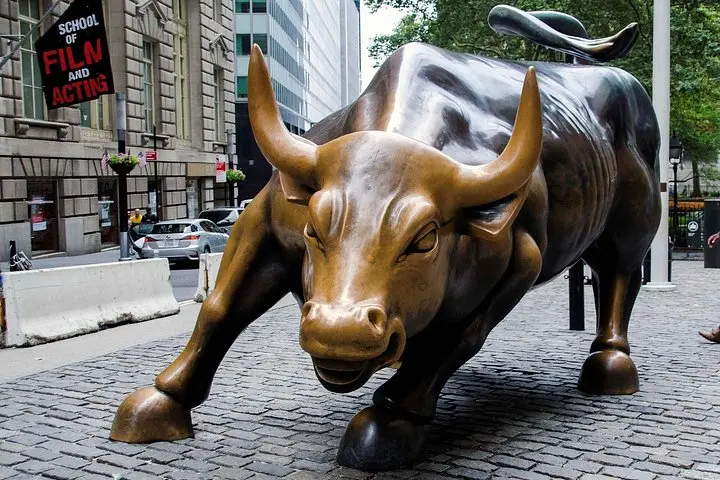
Walk where New York began: a 90-minute guided route through Wall Street, St. Paul’s Chapel, Trinity Church and Stone Street that traces the city’s rise from Dutch outpost to financial capital.
Walk where New York began: a 90-minute guided route through Wall Street, St. Paul’s Chapel, Trinity Church and Stone Street that traces the city’s rise from Dutch outpost to financial capital.
The guide waits at the Jacob Wrey Mould Fountain and the city seems to breathe around you: traffic hums, pigeons braid through sunlit gaps, and the East River keeps its steady push at the edge of sight.
Verified experiences and guided adventures in the surrounding area.
Operated by Manhattan Walking Tour · New York, New York
The guide waits at the Jacob Wrey Mould Fountain and the city seems to breathe around you: traffic hums, pigeons braid through sunlit gaps, and the East River keeps its steady push at the edge of sight.
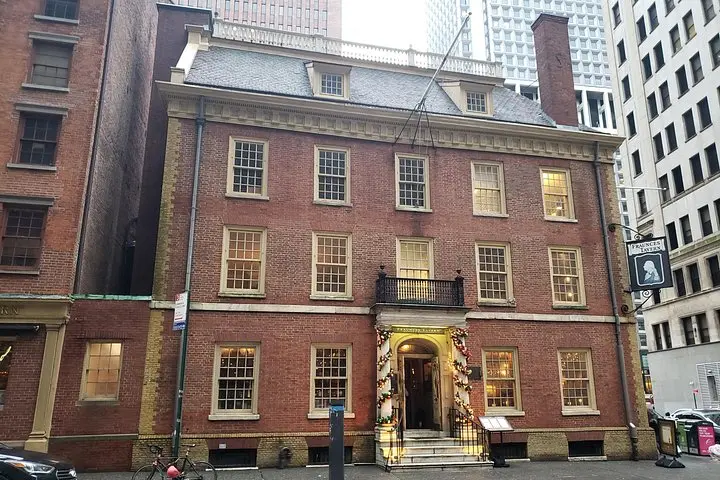
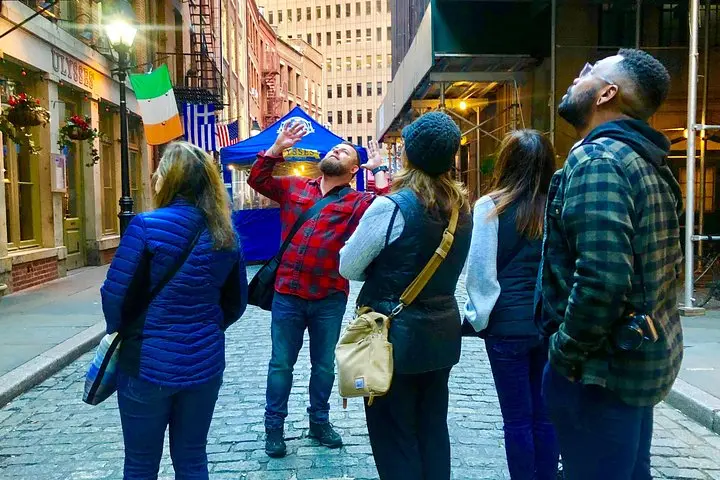
This 90-minute walking tour moves through the foundation of modern New York — cobbles and cast-iron, 18th-century gravesites and the steel frames that reached skyward in the early 20th century. Guides trace the arc from New Amsterdam’s fur trading post to the financial engine of Wall Street, pointing out Federal Hall where Washington took the oath and St. Paul’s Chapel, which stood while others burned. Stone Street’s original cobbles and the old city fence at Bowling Green give a tactile sense of the city’s colonial layout; the Woolworth Building and later skyscrapers reveal shifts in engineering and ambition.
Geology here is mostly Manhattan schist peeking beneath concrete and in the foundations of older buildings; the island’s bedrock shaped settlement patterns and allowed tall structures to anchor. Culturally, the Financial District is a palimpsest of immigrants, merchants, bankers, and worshippers — every corner holds a bureaucratic or revolutionary echo.
Practical guidance: wear supportive shoes for uneven cobbles, bring a small bottle of water, and be prepared for city noise and crowds. The tour is largely on paved surfaces and accessible by subway; public transit is the most efficient arrival method. Expect frequent stops for storytelling and photos, and leave time afterward to explore Stone Street’s cafés or the waterfront views at Battery Park.
The tour lasts approximately 90 minutes and covers roughly 1.5 miles of walking with frequent stops.
Yes — the route is on paved, wheelchair-accessible surfaces and meeting point is in City Hall Park; notify the operator of accessibility needs when booking.
Meet at the Jacob Wrey Mould Fountain in City Hall Park (43 Park Row); the tour finishes nearby in the Financial District close to Stone Street.
Yes — strollers are accommodated and the content is family-friendly, but younger children should be able to manage the walking distance.
Manhattan Walking Tour operates guided outdoor trips and adventures with an emphasis on safety, stewardship, and memorable experiences.

The guide waits at the Jacob Wrey Mould Fountain and the city seems to breathe around you: traffic hums, pigeons braid through sunlit gaps, and the East River keeps its steady push at the edge of sight.
The guide waits at the Jacob Wrey Mould Fountain and the city seems to breathe around you: traffic hums, pigeons braid through sunlit gaps, and the East River keeps its steady push at the edge of sight.
This 90-minute walking tour moves through the foundation of modern New York — cobbles and cast-iron, 18th-century gravesites and the steel frames that reached skyward in the early 20th century. Guides trace the arc from New Amsterdam’s fur trading post to the financial engine of Wall Street, pointing out Federal Hall where Washington took the oath and St. Paul’s Chapel, which stood while others burned. Stone Street’s original cobbles and the old city fence at Bowling Green give a tactile sense of the city’s colonial layout; the Woolworth Building and later skyscrapers reveal shifts in engineering and ambition.
Geology here is mostly Manhattan schist peeking beneath concrete and in the foundations of older buildings; the island’s bedrock shaped settlement patterns and allowed tall structures to anchor. Culturally, the Financial District is a palimpsest of immigrants, merchants, bankers, and worshippers — every corner holds a bureaucratic or revolutionary echo.
Practical guidance: wear supportive shoes for uneven cobbles, bring a small bottle of water, and be prepared for city noise and crowds. The tour is largely on paved surfaces and accessible by subway; public transit is the most efficient arrival method. Expect frequent stops for storytelling and photos, and leave time afterward to explore Stone Street’s cafés or the waterfront views at Battery Park.