THE ADVENTURE COLLECTIVE® · Independent discovery and booking for outdoor travel

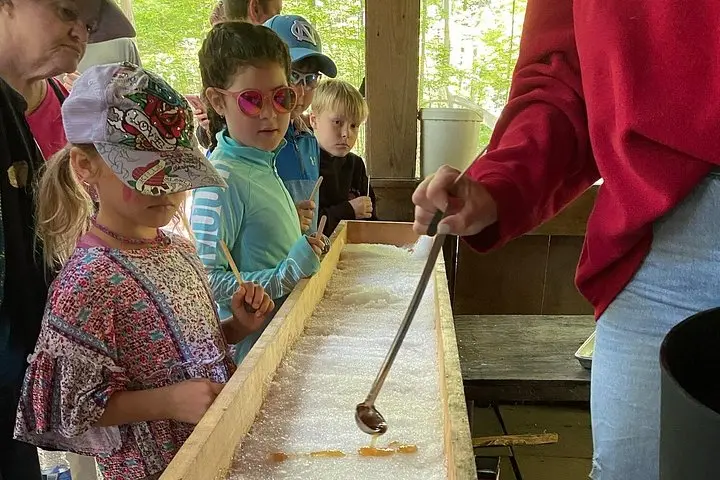
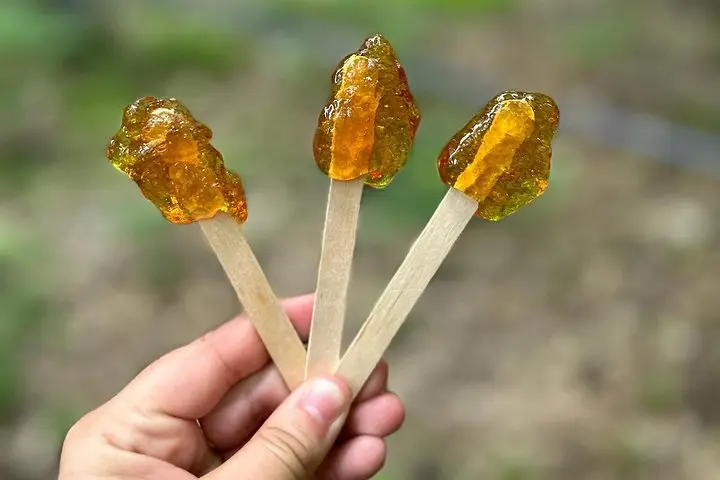
Walk into a working Ontario sugar bush with a master sugar-maker and learn how sap becomes 100% pure maple syrup. This 105-minute tour combines hands-on demonstrations, a groomed forest walk and seasonal treats like taffy-on-snow.
Walk into a working Ontario sugar bush with a master sugar-maker and learn how sap becomes 100% pure maple syrup. This 105-minute tour combines hands-on demonstrations, a groomed forest walk and seasonal treats like taffy-on-snow.
You step from the sugar shack into a stand of maples; the trunks lean like old friends and the forest smells faintly of earth and sap. A wagon rumbles up the groomed trail and the sugar-maker—equal parts scientist and storyteller—starts the walk, explaining how a clear, sweet liquid climbs from root to crown and becomes the syrup you know.
Verified experiences and guided adventures in the surrounding area.
Operated by White Meadows Farms · Caledon, Ontario
You step from the sugar shack into a stand of maples; the trunks lean like old friends and the forest smells faintly of earth and sap. A wagon rumbles up the groomed trail and the sugar-maker—equal parts scientist and storyteller—starts the walk, explaining how a clear, sweet liquid climbs from root to crown and becomes the syrup you know.
Maple sugaring in Ontario traces its roots to Indigenous tap-and-collect methods and evolved through 19th-century farm systems into today’s small-scale, craft-focused operations. Geology and climate matter here: cold nights and warm days coax sap through the trees, and shallow, well-drained soils produce a particular mineral balance that subtly shapes flavor.
The tour moves at a practical pace—about 105 minutes—mixing demonstration with hands-on stops: tubing and collection methods, the evaporator’s hiss, and a tasting beside the evaporator or in the shack. Culture appears in simple traditions—taffy-on-snow, the communal question of when to tap—and in innovations that protect tree health while raising yields.
For planning: wear waterproof footwear and layers (mornings can be icy, afternoons muddy); expect gentle walking on groomed paths; bring a refillable water bottle. Tours are family-friendly and stroller-accessible in spots, but check weather and season—true sap runs often peak in late winter/early spring. Leave no trace, ask questions, and come ready to taste what a single forest stand can produce—clear, sweet, and unmistakably local.
Yes—parts of the farm and the groomed trail are stroller-accessible and the tour is designed to be family-friendly; infants are required to sit on an adult’s lap.
Service animals are permitted; general pets policies vary by farm so check with the operator before bringing animals.
Guided walk into the sugar bush, demonstrations of sap collection and boiling, a tasting and bottled water; specific inclusions are listed by the operator.
Sap runs typically occur late winter to early spring when nights are cold and days warm—this is when evaporators are active and taffy-on-snow is possible.
White Meadows Farms operates guided outdoor trips and adventures with an emphasis on safety, stewardship, and memorable experiences.
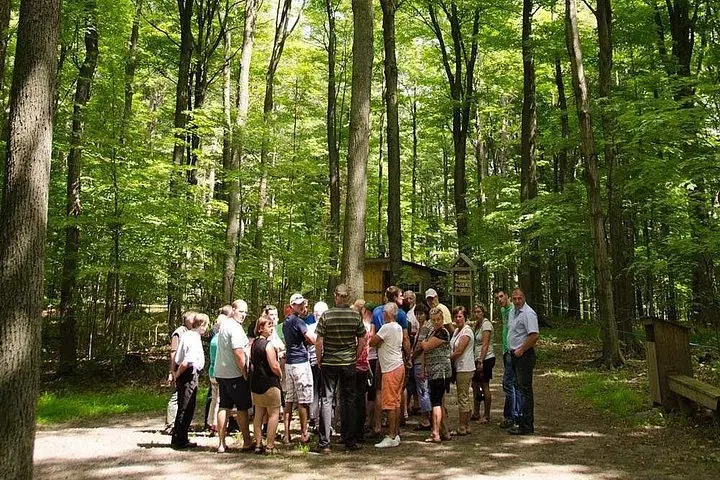
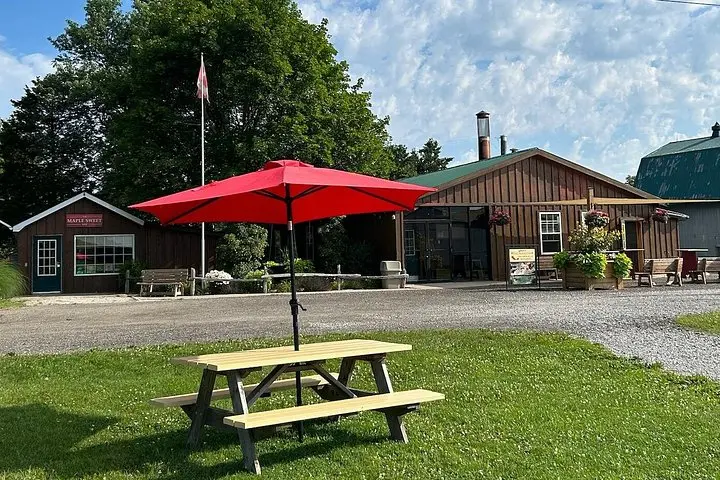
You step from the sugar shack into a stand of maples; the trunks lean like old friends and the forest smells faintly of earth and sap. A wagon rumbles up the groomed trail and the sugar-maker—equal parts scientist and storyteller—starts the walk, explaining how a clear, sweet liquid climbs from root to crown and becomes the syrup you know.
You step from the sugar shack into a stand of maples; the trunks lean like old friends and the forest smells faintly of earth and sap. A wagon rumbles up the groomed trail and the sugar-maker—equal parts scientist and storyteller—starts the walk, explaining how a clear, sweet liquid climbs from root to crown and becomes the syrup you know.
Maple sugaring in Ontario traces its roots to Indigenous tap-and-collect methods and evolved through 19th-century farm systems into today’s small-scale, craft-focused operations. Geology and climate matter here: cold nights and warm days coax sap through the trees, and shallow, well-drained soils produce a particular mineral balance that subtly shapes flavor.
The tour moves at a practical pace—about 105 minutes—mixing demonstration with hands-on stops: tubing and collection methods, the evaporator’s hiss, and a tasting beside the evaporator or in the shack. Culture appears in simple traditions—taffy-on-snow, the communal question of when to tap—and in innovations that protect tree health while raising yields.
For planning: wear waterproof footwear and layers (mornings can be icy, afternoons muddy); expect gentle walking on groomed paths; bring a refillable water bottle. Tours are family-friendly and stroller-accessible in spots, but check weather and season—true sap runs often peak in late winter/early spring. Leave no trace, ask questions, and come ready to taste what a single forest stand can produce—clear, sweet, and unmistakably local.