THE ADVENTURE COLLECTIVE® · Independent discovery and booking for outdoor travel

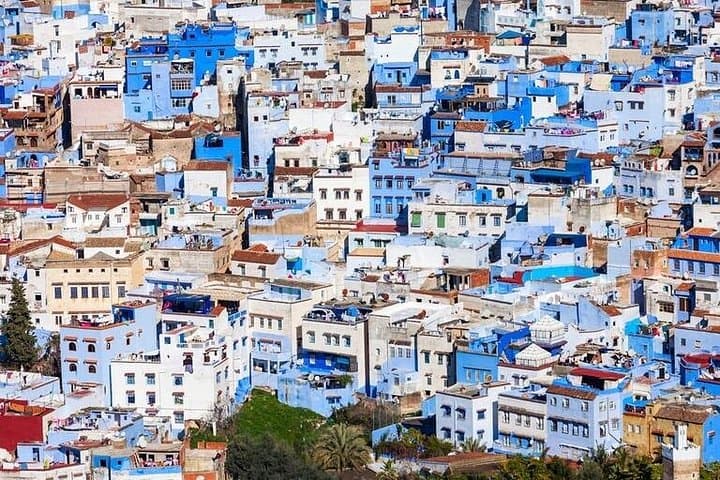
A seven-day private loop from Casablanca linking imperial cities, Roman ruins and the Sahara. Expect blue-painted alleys, a camel trek into Merzouga and an overnight in a traditional desert camp.
A seven-day private loop from Casablanca linking imperial cities, Roman ruins and the Sahara. Expect blue-painted alleys, a camel trek into Merzouga and an overnight in a traditional desert camp.
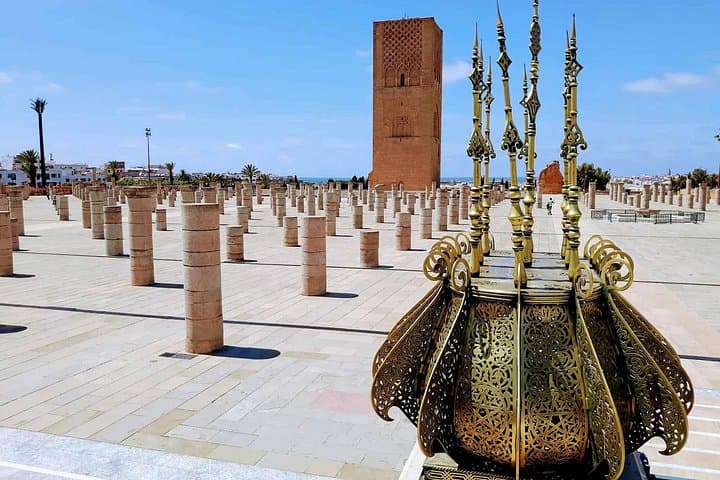
You step out of the car as the Atlantic light fades and the city’s minarets silhouette against the evening — this tour begins in Casablanca but moves quickly into a half-week of shifting landscapes. From the blue lanes of Chefchaouen to the honey-colored alleys of Fes, the route threads old medinas, Roman ruins and the wind-sculpted dunes around Merzouga.
Verified experiences and guided adventures in the surrounding area.
Operated by Morocco Tours Toubkal Trek · Casablanca, Casablanca-Settat
You step out of the car as the Atlantic light fades and the city’s minarets silhouette against the evening — this tour begins in Casablanca but moves quickly into a half-week of shifting landscapes. From the blue lanes of Chefchaouen to the honey-colored alleys of Fes, the route threads old medinas, Roman ruins and the wind-sculpted dunes around Merzouga.
The itinerary follows centuries-old trade and pilgrimage corridors: Volubilis speaks to Roman North Africa, Meknes and Rabat to Morocco’s imperial past, while the ksar of Ait Benhaddou recalls trans-Saharan caravan routes and modern film crews that use its rammed-earth facades. Geology changes fast — Rif foothills, the High Atlas passes, and the Erg Chebbi dunes each present different soils, rock faces and light.
Local culture is tactile: souks pulse with spices and metalwork, riads offer courtyard calm, and a desert bivouac centers on communal meals and Berber music under a wide sky. Guides translate histories and point out small-scale irrigation systems and kasbah architecture.
Practical guidance: plan for long driving days and early starts; pack layers for hot days and cool nights, and bring a sturdy daypack for walking in medinas and canyon edges. Hydrate rigorously before camel rides; sun protection is essential in the dunes. Expect simple desert camp facilities — comfortable but remote — and prepare to leave no trace. With private transport and a local guide, this seven-day loop balances cultural immersion with the kind of hands-on desert moments — sunrise on a dune, a campfire in the Ochre night — that define Morocco for many travelers.
Yes—transport and guiding are private for your booking, allowing flexibility in pacing and stops.
Camel rides are typically 1–2 hours on soft sand; camps are basic but comfortable with rugs and bedding—no technical skills required.
Breakfasts are included most days, two dinners are listed; accommodations are handpicked riads and a traditional desert camp overnight.
Visa requirements depend on nationality; check Morocco’s current entry rules and routine vaccinations—consult your travel clinic.
Morocco Tours Toubkal Trek operates guided outdoor trips and adventures with an emphasis on safety, stewardship, and memorable experiences.
You step out of the car as the Atlantic light fades and the city’s minarets silhouette against the evening — this tour begins in Casablanca but moves quickly into a half-week of shifting landscapes. From the blue lanes of Chefchaouen to the honey-colored alleys of Fes, the route threads old medinas, Roman ruins and the wind-sculpted dunes around Merzouga.
You step out of the car as the Atlantic light fades and the city’s minarets silhouette against the evening — this tour begins in Casablanca but moves quickly into a half-week of shifting landscapes. From the blue lanes of Chefchaouen to the honey-colored alleys of Fes, the route threads old medinas, Roman ruins and the wind-sculpted dunes around Merzouga.
The itinerary follows centuries-old trade and pilgrimage corridors: Volubilis speaks to Roman North Africa, Meknes and Rabat to Morocco’s imperial past, while the ksar of Ait Benhaddou recalls trans-Saharan caravan routes and modern film crews that use its rammed-earth facades. Geology changes fast — Rif foothills, the High Atlas passes, and the Erg Chebbi dunes each present different soils, rock faces and light.
Local culture is tactile: souks pulse with spices and metalwork, riads offer courtyard calm, and a desert bivouac centers on communal meals and Berber music under a wide sky. Guides translate histories and point out small-scale irrigation systems and kasbah architecture.
Practical guidance: plan for long driving days and early starts; pack layers for hot days and cool nights, and bring a sturdy daypack for walking in medinas and canyon edges. Hydrate rigorously before camel rides; sun protection is essential in the dunes. Expect simple desert camp facilities — comfortable but remote — and prepare to leave no trace. With private transport and a local guide, this seven-day loop balances cultural immersion with the kind of hands-on desert moments — sunrise on a dune, a campfire in the Ochre night — that define Morocco for many travelers.