THE ADVENTURE COLLECTIVE® · Independent discovery and booking for outdoor travel

Spend a full day exploring Musanze’s two-kilometer cave network and gliding the Mukungwa River. This combined cave-and-canoe tour pairs volcanic geology, bat colonies and riverside birdlife with local history and a relaxed pace suitable for most travelers.
Spend a full day exploring Musanze’s two-kilometer cave network and gliding the Mukungwa River. This combined cave-and-canoe tour pairs volcanic geology, bat colonies and riverside birdlife with local history and a relaxed pace suitable for most travelers.
You step off the minivan into cool, green air and the land slopes toward a low throat of shadow—the Musanze Caves yawning like a buried river. Light from the entrance skims wet rock, and somewhere deep the bat colony stirs, a soft pulsing life against the stone. The guide fits you with a helmet and torch; the world narrows to the beam and the careful steps ahead.
Verified experiences and guided adventures in the surrounding area.
Operated by African Travellers Ltd · Musanze, Northern Province
You step off the minivan into cool, green air and the land slopes toward a low throat of shadow—the Musanze Caves yawning like a buried river. Light from the entrance skims wet rock, and somewhere deep the bat colony stirs, a soft pulsing life against the stone. The guide fits you with a helmet and torch; the world narrows to the beam and the careful steps ahead.
The caves were forged by volcanic forces some 65 million years ago; streams still carve channels and dripstones record epochs in slow increments. During the 1994 conflict local people used parts of this underground network as refuge, and today the site is interpreted through that human layer alongside its geology. Above ground, the Mukungwa River threads the valley—an open-water counterpoint to the dark passages—framed by farmland and distant volcano ridgelines that shaped the region.
Expect two kinds of movement: deliberate, low-lit walking on uneven rock in the cave and a calm, sitting rhythm while canoeing on the Mukungwa. Wildlife is immediate—thousands of insectivorous bats, riparian birds and occasional monkeys on the riverbanks. The tour balances natural history, cultural context and easy adventure: helmets, torches and boots are provided, and a picnic or simple lunch follows the morning explorations.
Practical guidance: wear closed, stiff-soled boots, bring a waterproof layer and a reusable water bottle, and plan for muddy approaches after rain. If you have limited mobility or claustrophobia, the surface trails and river section still deliver strong scenery without tight passages. Book a local guide in Kinyarwanda, English or French to deepen historical and ecological insights.
The Musanze cave network stretches about 2 km, but guided routes typically cover shorter, safe sections—the walking inside usually lasts 45–90 minutes depending on the itinerary.
Yes—standard tours provide helmets, headlamps/torches and often rubber boots; confirm with the operator if you require specific sizes.
Yes—the Mukungwa canoe section is generally calm and guided, suitable for first-time paddlers; life jackets are provided.
Partial participation is possible—the riverside and surface viewpoints offer strong scenery, but steep or uneven cave passages may not be accessible.
African Travellers Ltd operates guided outdoor trips and adventures with an emphasis on safety, stewardship, and memorable experiences.
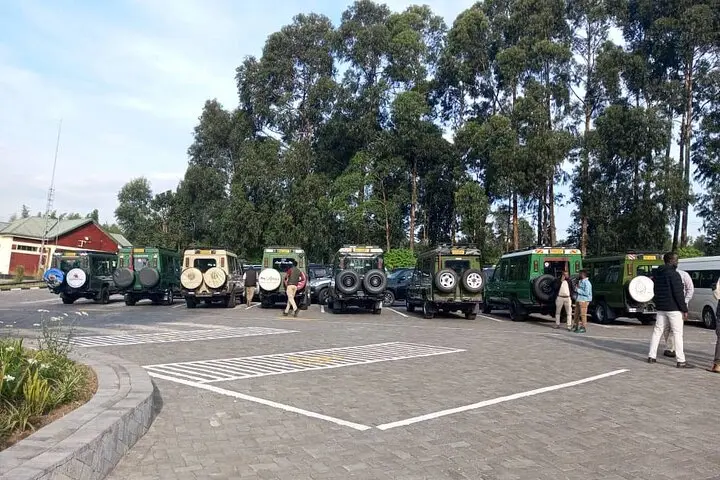
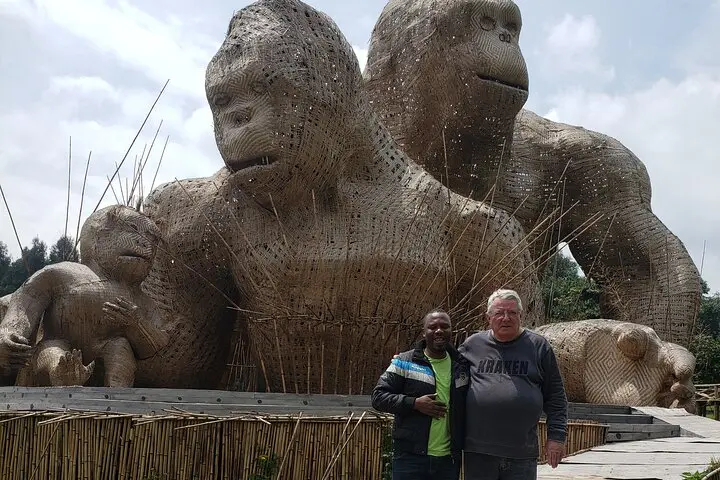
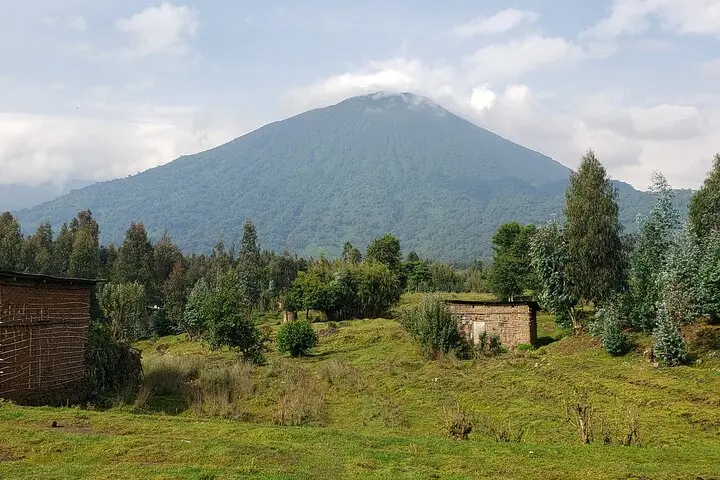
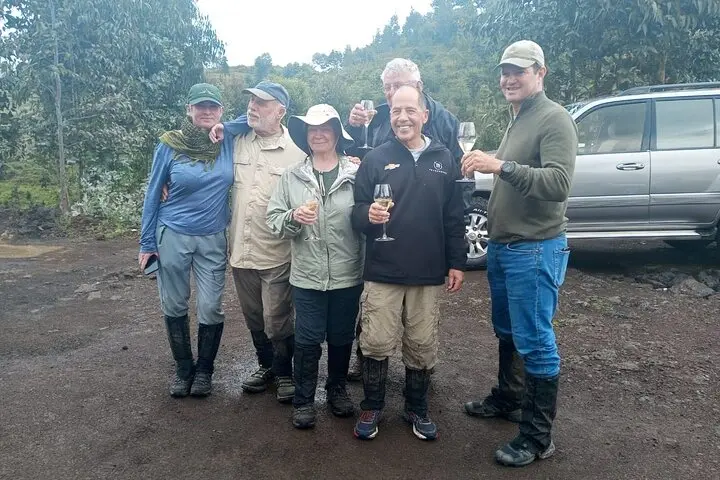
You step off the minivan into cool, green air and the land slopes toward a low throat of shadow—the Musanze Caves yawning like a buried river. Light from the entrance skims wet rock, and somewhere deep the bat colony stirs, a soft pulsing life against the stone. The guide fits you with a helmet and torch; the world narrows to the beam and the careful steps ahead.
You step off the minivan into cool, green air and the land slopes toward a low throat of shadow—the Musanze Caves yawning like a buried river. Light from the entrance skims wet rock, and somewhere deep the bat colony stirs, a soft pulsing life against the stone. The guide fits you with a helmet and torch; the world narrows to the beam and the careful steps ahead.
The caves were forged by volcanic forces some 65 million years ago; streams still carve channels and dripstones record epochs in slow increments. During the 1994 conflict local people used parts of this underground network as refuge, and today the site is interpreted through that human layer alongside its geology. Above ground, the Mukungwa River threads the valley—an open-water counterpoint to the dark passages—framed by farmland and distant volcano ridgelines that shaped the region.
Expect two kinds of movement: deliberate, low-lit walking on uneven rock in the cave and a calm, sitting rhythm while canoeing on the Mukungwa. Wildlife is immediate—thousands of insectivorous bats, riparian birds and occasional monkeys on the riverbanks. The tour balances natural history, cultural context and easy adventure: helmets, torches and boots are provided, and a picnic or simple lunch follows the morning explorations.
Practical guidance: wear closed, stiff-soled boots, bring a waterproof layer and a reusable water bottle, and plan for muddy approaches after rain. If you have limited mobility or claustrophobia, the surface trails and river section still deliver strong scenery without tight passages. Book a local guide in Kinyarwanda, English or French to deepen historical and ecological insights.