THE ADVENTURE COLLECTIVE® · Independent discovery and booking for outdoor travel

Nairobi National Park is one of the world’s only urban wildlife reserves, where lions roam near city skyscrapers. This easy group game drive offers a rare chance to see Kenya’s iconic animals without leaving the capital.
Nairobi National Park is one of the world’s only urban wildlife reserves, where lions roam near city skyscrapers. This easy group game drive offers a rare chance to see Kenya’s iconic animals without leaving the capital.
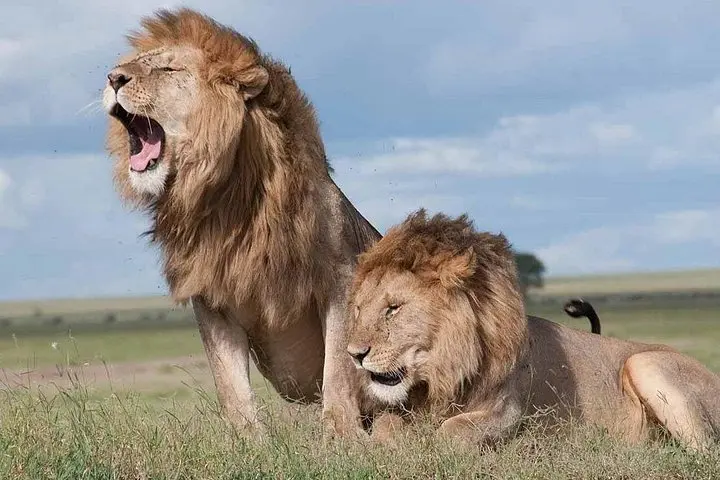
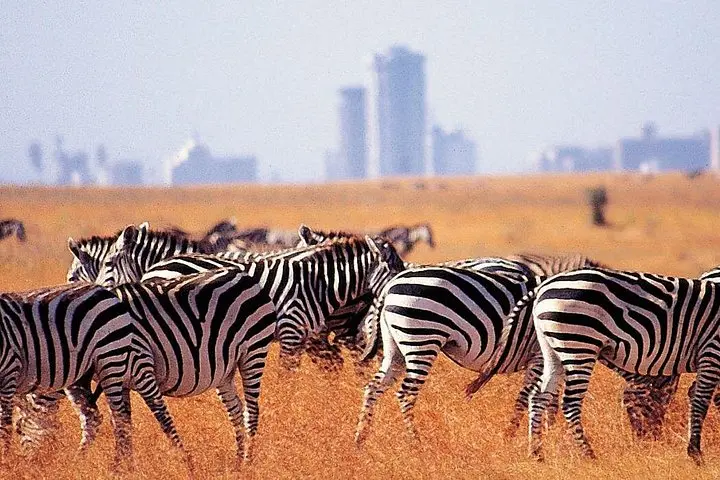
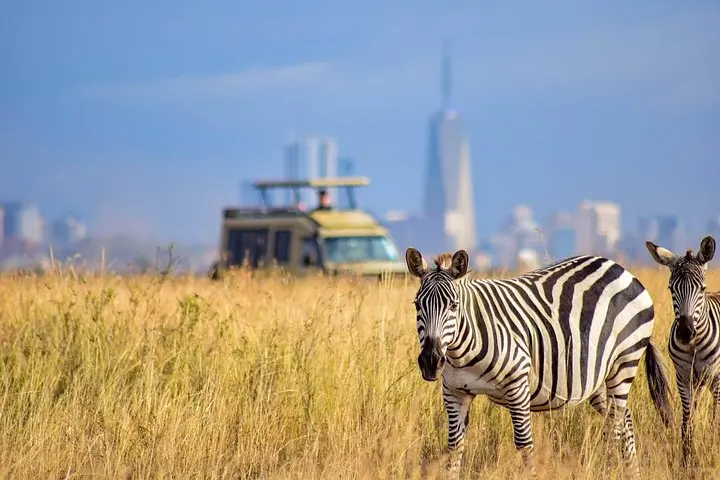
On the outskirts of Nairobi, where urban hum meets the call of the wild, Nairobi National Park carves a rare space. Just a short drive from the city center, this unique reserve dares adventurers to witness Africa’s iconic wildlife thriving against the backdrop of skyscrapers. Dawn breaks with the crispness of early morning air as the customized open-roof vehicle creeps along the savanna trails. Lions emerge from the shadows, giraffes move gracefully between acacia trees, and zebras graze undisturbed, unconcerned by the city skyline visible miles away.
Verified experiences and guided adventures in the surrounding area.
Operated by Gracepatt Safaris · Nairobi, Nairobi County
On the outskirts of Nairobi, where urban hum meets the call of the wild, Nairobi National Park carves a rare space. Just a short drive from the city center, this unique reserve dares adventurers to witness Africa’s iconic wildlife thriving against the backdrop of skyscrapers. Dawn breaks with the crispness of early morning air as the customized open-roof vehicle creeps along the savanna trails. Lions emerge from the shadows, giraffes move gracefully between acacia trees, and zebras graze undisturbed, unconcerned by the city skyline visible miles away.
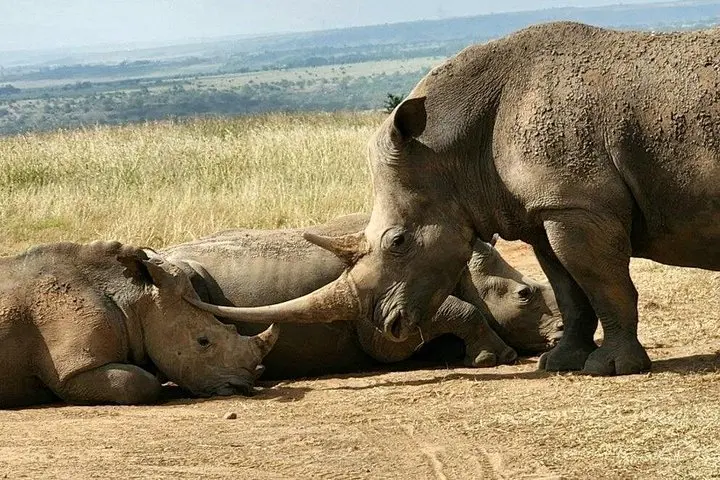
Established in 1946, Nairobi National Park is Kenya’s original wildlife conservancy and one of the few protected areas bordering a capital city. Its 117 square kilometers sit on ancient sedimentary plains shaped by volcanic activity and river erosion, creating a mosaic of open grasslands, forest pockets, and seasonal wetlands fed by the Ngong River. This patchwork supports a surprisingly diverse array of species—including both black and white rhinos—and offers vital corridors for migrating herbivores amidst growing urban development.
Visitors here not only encounter wildlife but also learn about Kenya’s conservation efforts. The park operates in tandem with local communities and the Kenya Wildlife Service (KWS), balancing protection with education. The presence of an elephant sanctuary within the park adds a deeper dimension, inviting guests to witness rehabilitation efforts firsthand.
This group joining game drive lasts about four hours, ideal for travelers tight on time yet eager for an immersive safari. Pick-up and drop-off directly at your Nairobi hotel make logistics simple—no scrambling for transport before the sun rises. Traveling in an open-roof van enhances viewing and photography opportunities, especially in the cool morning when animals are most active.
Practical planning tips: wear sturdy walking shoes even if you only stay in the vehicle, bring a wide-brimmed hat and sunscreen, and carry layers for shifting morning temperatures. Bottled water is provided, but always have extra on hand, especially during Kenya’s dry season (June–October). A conservancy fee applies, so prepare an additional $85 USD per person.
While the main draw is classic safari viewing, keep an eye out for lesser-known park features: the Ngong Hills’ distant silhouette frames the horizon, and birdwatchers will find rare species hiding along the marshy edges. Nairobi National Park offers a surprisingly intact wilderness experience, inviting you to challenge the expectation that urban life and free-roaming wildlife cannot coexist.
With its blend of raw nature and city views, this game drive reshapes the typical safari narrative. It’s a chance to witness the pulse of Kenya’s wild heart without leaving Nairobi’s doorstep.
Yes, the park is well-managed by Kenya Wildlife Service with guides and secure game drive vehicles ensuring visitor safety.
Common sightings include lions, giraffes, zebras, black and white rhinos, hippos, and a variety of birds.
Most tours offer hotel pick-up and drop-off within Nairobi, making access straightforward and convenient.
Bottled water is provided, but meals are not typically included during this 4-hour drive.
Yes, but infants must sit on an adult’s lap; the drive is suitable for all physical fitness levels.
Yes, there is a conservancy fee of approximately $85 USD per person payable in addition to the tour price.
Gracepatt Safaris operates guided outdoor trips and adventures with an emphasis on safety, stewardship, and memorable experiences.
On the outskirts of Nairobi, where urban hum meets the call of the wild, Nairobi National Park carves a rare space. Just a short drive from the city center, this unique reserve dares adventurers to witness Africa’s iconic wildlife thriving against the backdrop of skyscrapers. Dawn breaks with the crispness of early morning air as the customized open-roof vehicle creeps along the savanna trails. Lions emerge from the shadows, giraffes move gracefully between acacia trees, and zebras graze undisturbed, unconcerned by the city skyline visible miles away.
On the outskirts of Nairobi, where urban hum meets the call of the wild, Nairobi National Park carves a rare space. Just a short drive from the city center, this unique reserve dares adventurers to witness Africa’s iconic wildlife thriving against the backdrop of skyscrapers. Dawn breaks with the crispness of early morning air as the customized open-roof vehicle creeps along the savanna trails. Lions emerge from the shadows, giraffes move gracefully between acacia trees, and zebras graze undisturbed, unconcerned by the city skyline visible miles away.
Established in 1946, Nairobi National Park is Kenya’s original wildlife conservancy and one of the few protected areas bordering a capital city. Its 117 square kilometers sit on ancient sedimentary plains shaped by volcanic activity and river erosion, creating a mosaic of open grasslands, forest pockets, and seasonal wetlands fed by the Ngong River. This patchwork supports a surprisingly diverse array of species—including both black and white rhinos—and offers vital corridors for migrating herbivores amidst growing urban development.
Visitors here not only encounter wildlife but also learn about Kenya’s conservation efforts. The park operates in tandem with local communities and the Kenya Wildlife Service (KWS), balancing protection with education. The presence of an elephant sanctuary within the park adds a deeper dimension, inviting guests to witness rehabilitation efforts firsthand.
This group joining game drive lasts about four hours, ideal for travelers tight on time yet eager for an immersive safari. Pick-up and drop-off directly at your Nairobi hotel make logistics simple—no scrambling for transport before the sun rises. Traveling in an open-roof van enhances viewing and photography opportunities, especially in the cool morning when animals are most active.
Practical planning tips: wear sturdy walking shoes even if you only stay in the vehicle, bring a wide-brimmed hat and sunscreen, and carry layers for shifting morning temperatures. Bottled water is provided, but always have extra on hand, especially during Kenya’s dry season (June–October). A conservancy fee applies, so prepare an additional $85 USD per person.
While the main draw is classic safari viewing, keep an eye out for lesser-known park features: the Ngong Hills’ distant silhouette frames the horizon, and birdwatchers will find rare species hiding along the marshy edges. Nairobi National Park offers a surprisingly intact wilderness experience, inviting you to challenge the expectation that urban life and free-roaming wildlife cannot coexist.
With its blend of raw nature and city views, this game drive reshapes the typical safari narrative. It’s a chance to witness the pulse of Kenya’s wild heart without leaving Nairobi’s doorstep.