THE ADVENTURE COLLECTIVE® · Independent discovery and booking for outdoor travel

Three days across the Hisma Desert, Midian tombs, coastal reefs and the canyons of Wadi Al Disah—this guided loop blends geology, archaeology and seaside escape with moderate hiking and vehicle support.
Three days across the Hisma Desert, Midian tombs, coastal reefs and the canyons of Wadi Al Disah—this guided loop blends geology, archaeology and seaside escape with moderate hiking and vehicle support.
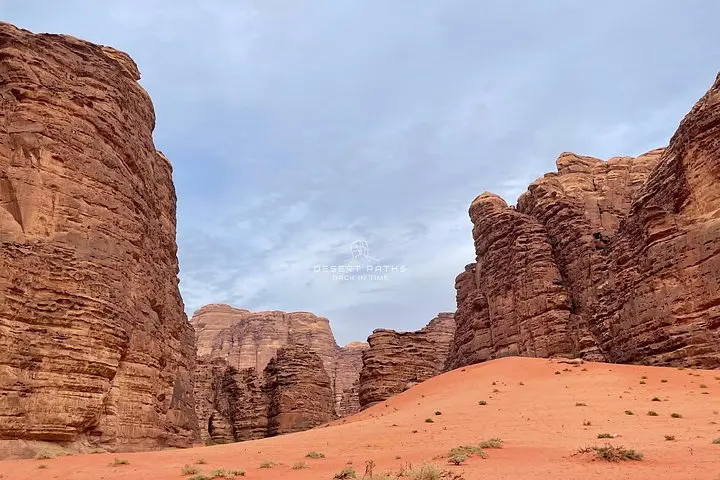
A wash of red sand rolls under a low sun as the vehicle threads a track into the Hisma—dunes shifting like a slow ocean, lava beds cracking underfoot, and the Red Sea appearing suddenly, a strip of turquoise against ochre cliffs.
Verified experiences and guided adventures in the surrounding area.
Operated by Desert Paths · Tabuk, Tabuk
A wash of red sand rolls under a low sun as the vehicle threads a track into the Hisma—dunes shifting like a slow ocean, lava beds cracking underfoot, and the Red Sea appearing suddenly, a strip of turquoise against ochre cliffs.
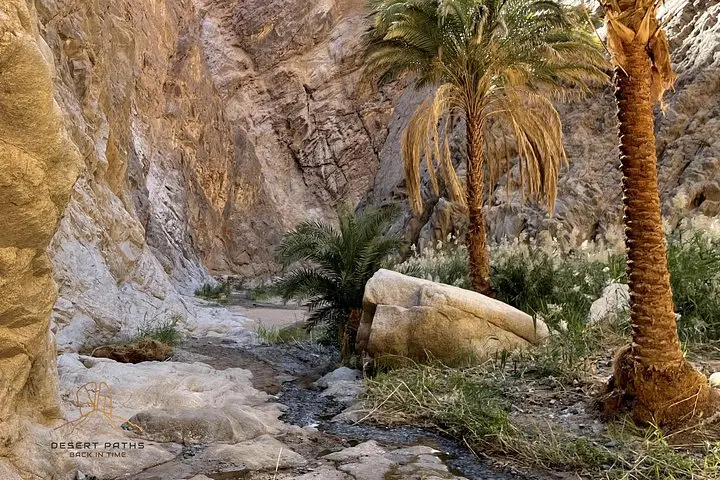
This three-day loop from Tabuk into NEOM country stitches together desert geology, Bronze Age archaeology and coastal reef life. The Hisma Desert is marked by wind-sculpted dunes and ancient basalt flows; Midian-era tombs and the archaeological village of Alaqan give a human timeline to a landscape shaped by tectonics and trade. Jabal Al Safina and the Stone Arch are sandstone and limestone formations worn into dramatic profiles, while Wadi Al Disah’s palm-lined gorge and Al Shiq Canyon reveal deep incision from seasonal runoff.
Culturally, the route runs along historic caravan corridors and coastal fishing hamlets; local guides often point out Midianite carvings and Bedouin place names that survive in everyday use.
Practical guidance: this is a moderate, vehicle-supported tour with multiple short hikes and canyon walks—expect sandy to rocky terrain, occasional scrambling through narrow slots, and coastal stops suitable for snorkeling if conditions allow. Stay hydrated, use sun protection, and pack footwear for both sand and slick rock. Daily drives move between widely spaced sites, so plan for several hours in transit and 2–4 hours of active walking most days.
Timing: mornings are best for desert light and canyon approach; late afternoons cool for seaside stops. Respect local sites, follow your guide on route choices, and leave no trace to protect fragile desert soils and reef systems.
Moderate fitness is required—participants should be comfortable with several 2–4 hour walking periods on uneven terrain and short scrambles in canyon sections.
Coastal stops allow for snorkeling when sea conditions permit; bring your own mask or request equipment in advance through the operator.
No special archaeological permits are usually required for guided visits, but travelers must have appropriate entry visas for Saudi Arabia and follow local regulations.
Spring and fall offer the most comfortable conditions; summer brings high heat, and winter can be cooler with occasional rain in canyon systems.
Desert Paths operates guided outdoor trips and adventures with an emphasis on safety, stewardship, and memorable experiences.

A wash of red sand rolls under a low sun as the vehicle threads a track into the Hisma—dunes shifting like a slow ocean, lava beds cracking underfoot, and the Red Sea appearing suddenly, a strip of turquoise against ochre cliffs.
A wash of red sand rolls under a low sun as the vehicle threads a track into the Hisma—dunes shifting like a slow ocean, lava beds cracking underfoot, and the Red Sea appearing suddenly, a strip of turquoise against ochre cliffs.
This three-day loop from Tabuk into NEOM country stitches together desert geology, Bronze Age archaeology and coastal reef life. The Hisma Desert is marked by wind-sculpted dunes and ancient basalt flows; Midian-era tombs and the archaeological village of Alaqan give a human timeline to a landscape shaped by tectonics and trade. Jabal Al Safina and the Stone Arch are sandstone and limestone formations worn into dramatic profiles, while Wadi Al Disah’s palm-lined gorge and Al Shiq Canyon reveal deep incision from seasonal runoff.
Culturally, the route runs along historic caravan corridors and coastal fishing hamlets; local guides often point out Midianite carvings and Bedouin place names that survive in everyday use.
Practical guidance: this is a moderate, vehicle-supported tour with multiple short hikes and canyon walks—expect sandy to rocky terrain, occasional scrambling through narrow slots, and coastal stops suitable for snorkeling if conditions allow. Stay hydrated, use sun protection, and pack footwear for both sand and slick rock. Daily drives move between widely spaced sites, so plan for several hours in transit and 2–4 hours of active walking most days.
Timing: mornings are best for desert light and canyon approach; late afternoons cool for seaside stops. Respect local sites, follow your guide on route choices, and leave no trace to protect fragile desert soils and reef systems.