THE ADVENTURE COLLECTIVE® · Independent discovery and booking for outdoor travel

Ride a tuk‑tuk through Lisbon’s oldest streets, from the cathedral to hilltop miradouros. This 60–90 minute private tour packs Alfama’s history, views and local color into a single accessible loop.
Ride a tuk‑tuk through Lisbon’s oldest streets, from the cathedral to hilltop miradouros. This 60–90 minute private tour packs Alfama’s history, views and local color into a single accessible loop.
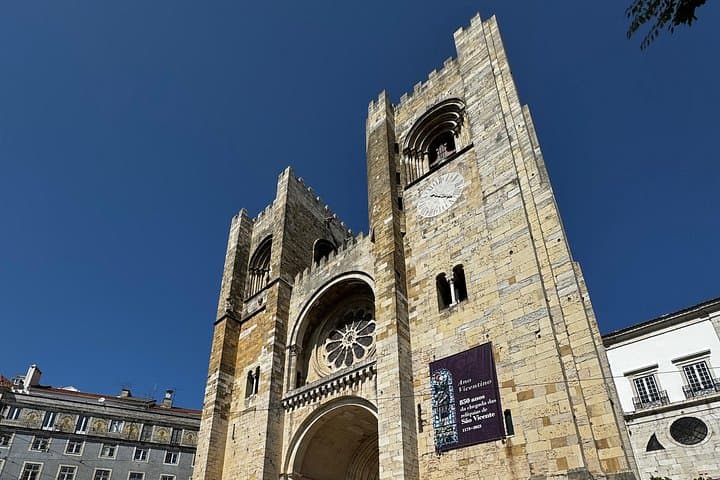
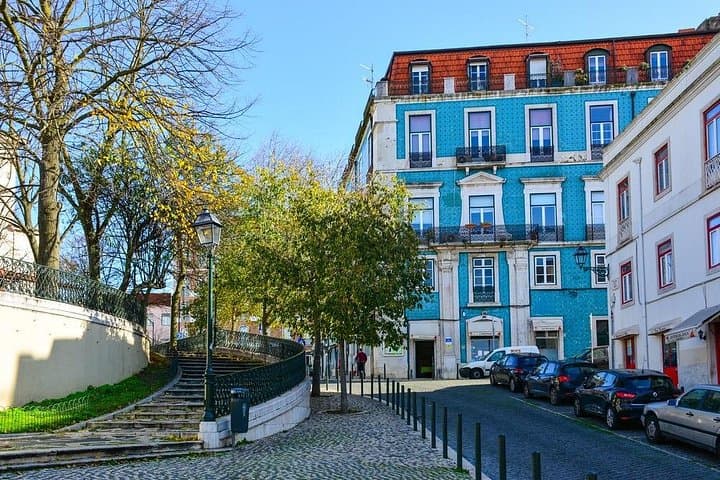
The tuk‑tuk hums up a narrow cobbled lane, the Tagus below flashing silver through gaps in terraced roofs. In an hour you’ll move from the Romanesque shadow of Lisbon Cathedral through tile‑streaked alleys to sun‑blown miradouros that look out over red roofs and river—short, steep streets giving way to sweeping views.
Verified experiences and guided adventures in the surrounding area.
Operated by Vibe On Tour · Lisbon, Lisbon
The tuk‑tuk hums up a narrow cobbled lane, the Tagus below flashing silver through gaps in terraced roofs. In an hour you’ll move from the Romanesque shadow of Lisbon Cathedral through tile‑streaked alleys to sun‑blown miradouros that look out over red roofs and river—short, steep streets giving way to sweeping views.
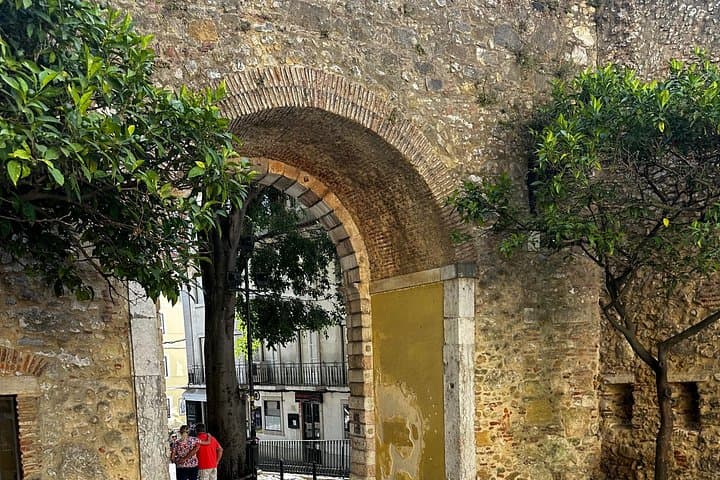
Alfama is Lisbon’s oldest quarter, shaped by centuries of Moorish street plans, medieval walls and the 1755 earthquake that remapped the city. São Jorge Castle crowns one ridge; the National Pantheon and São Vicente de Fora mark another. The port city’s geology—soft sedimentary hills sloping to the Tagus—creates the sudden climbs and panoramic vantage points that make these neighborhoods feel like a sequence of stages rather than a flat old town.
Culturally, this is Fado country: by day the alleys are artisans and laundry lines; by night, small casas de fado gather the city’s sound. Local guides point out tile motifs, hidden viewpoints and the best narrow streets for photos.
Practical guidance: the 60–90 minute private tuk‑tuk minimizes walking but expect short escorted strolls on uneven cobbles; wear sturdy shoes. Tours typically include bottled water and accessible vehicles—confirm pickup point and infant seats when you book. Aim for morning or golden hour to avoid midday traffic and get softer light at Portas do Sol and Senhora do Monte. Keep noise low in residential sections, bring a light layer for hilltop winds, and have your phone charged for quick photo stops—the route is compact but dense with history.
The tour notes wheelchair-accessible transport and surfaces—confirm your pickup point and any special requirements when booking to ensure vehicle availability.
Walking is minimal: most of the route is seated in the tuk‑tuk, with short guided walks (5–15 minutes) at viewpoints and key sites.
The tour description lists some visits with admission included and others as viewpoints—confirm specific sites with the operator if you want inside access to monuments.
Morning or late afternoon provides softer light and cooler temperatures; sunset slots offer dramatic views but may be busier at popular miradouros.
Vibe On Tour operates guided outdoor trips and adventures with an emphasis on safety, stewardship, and memorable experiences.

The tuk‑tuk hums up a narrow cobbled lane, the Tagus below flashing silver through gaps in terraced roofs. In an hour you’ll move from the Romanesque shadow of Lisbon Cathedral through tile‑streaked alleys to sun‑blown miradouros that look out over red roofs and river—short, steep streets giving way to sweeping views.
The tuk‑tuk hums up a narrow cobbled lane, the Tagus below flashing silver through gaps in terraced roofs. In an hour you’ll move from the Romanesque shadow of Lisbon Cathedral through tile‑streaked alleys to sun‑blown miradouros that look out over red roofs and river—short, steep streets giving way to sweeping views.
Alfama is Lisbon’s oldest quarter, shaped by centuries of Moorish street plans, medieval walls and the 1755 earthquake that remapped the city. São Jorge Castle crowns one ridge; the National Pantheon and São Vicente de Fora mark another. The port city’s geology—soft sedimentary hills sloping to the Tagus—creates the sudden climbs and panoramic vantage points that make these neighborhoods feel like a sequence of stages rather than a flat old town.
Culturally, this is Fado country: by day the alleys are artisans and laundry lines; by night, small casas de fado gather the city’s sound. Local guides point out tile motifs, hidden viewpoints and the best narrow streets for photos.
Practical guidance: the 60–90 minute private tuk‑tuk minimizes walking but expect short escorted strolls on uneven cobbles; wear sturdy shoes. Tours typically include bottled water and accessible vehicles—confirm pickup point and infant seats when you book. Aim for morning or golden hour to avoid midday traffic and get softer light at Portas do Sol and Senhora do Monte. Keep noise low in residential sections, bring a light layer for hilltop winds, and have your phone charged for quick photo stops—the route is compact but dense with history.