THE ADVENTURE COLLECTIVE® · Independent discovery and booking for outdoor travel

Spend a private day tracing Paphos’s long coastline of ruins, mosaics and myths. This full-day tour pairs a local guide and comfortable transport to move you through Tombs of the Kings, Kato Paphos Archaeological Park, Palaepaphos and the dramatic Aphrodite’s Rock.
Spend a private day tracing Paphos’s long coastline of ruins, mosaics and myths. This full-day tour pairs a local guide and comfortable transport to move you through Tombs of the Kings, Kato Paphos Archaeological Park, Palaepaphos and the dramatic Aphrodite’s Rock.
You step into Paphos as if flipping open a very old book: sea breezes turn the pages and cut limestone cliffs score the horizon. The private vehicle eases away from the harbor, and within minutes your guide is sketching a timeline—Mycenaean sailors, Roman villa-builders, Byzantine bishops, and crusader keepers—all compacted into a single coastline that still hums with history.
Verified experiences and guided adventures in the surrounding area.
Operated by Opatrip.com Cyprus · Paphos, Paphos District
You step into Paphos as if flipping open a very old book: sea breezes turn the pages and cut limestone cliffs score the horizon. The private vehicle eases away from the harbor, and within minutes your guide is sketching a timeline—Mycenaean sailors, Roman villa-builders, Byzantine bishops, and crusader keepers—all compacted into a single coastline that still hums with history.
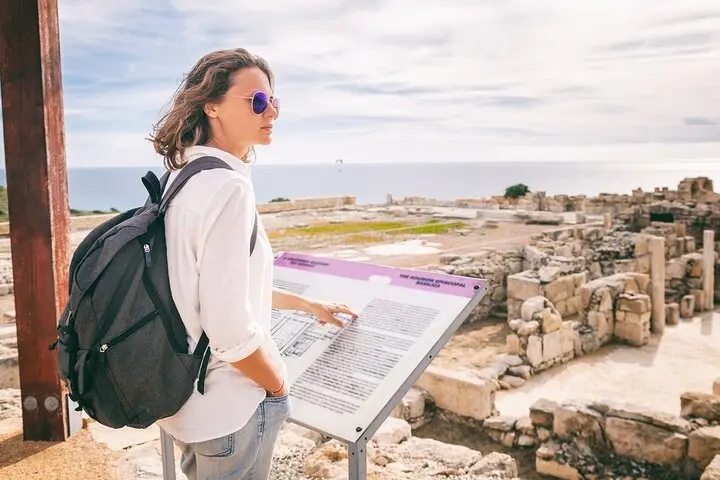
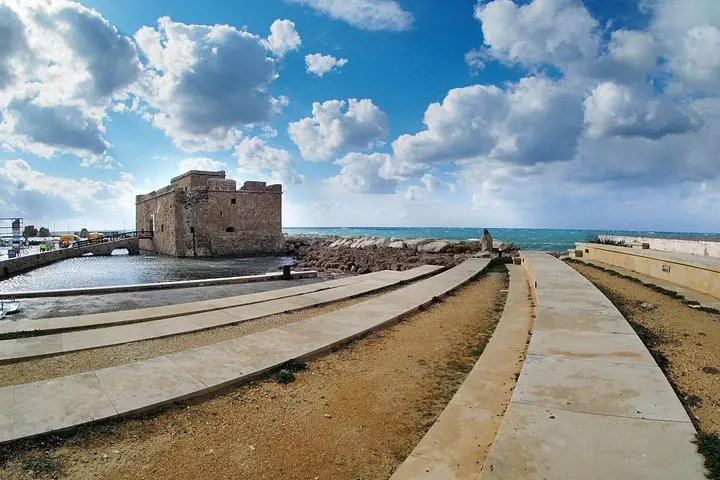
The day moves like a well-paced narrative. First, the Tombs of the Kings Avenue where rock-cut chambers press cool shadow into the Mediterranean sun, then the battered stones of Paphos Castle keeping watch over the harbor. Kato Paphos Archaeological Park unfolds as the visual centerpiece: mosaic floors so intact you can almost read the gestures of mythic scenes. Later, Palaepaphos (Old Paphos) takes you inland to the sanctuary once dedicated to Aphrodite—this is where geography and mythology meet, a limestone headland that shaped ritual and seafaring routes.
Geology here is simple and direct: uplifted marine limestones and red-brown terra rossa soils give way to thin coastal terraces and abrupt cliffs. That geology shaped settlement patterns—port at the bay, temples on high ground, villas where drainage and views were best.
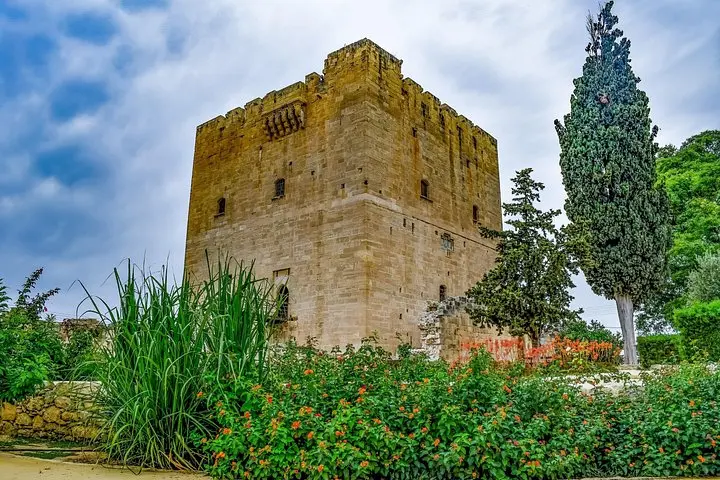
Culture and history are never abstract on this tour. Your guide decodes the mosaics—Dionysian processions, hunting scenes—and points to reused stones in Kolossi Castle that trace Crusader logistics and sugar cultivation from medieval estates. At Kourion, the Greco-Roman amphitheater still rings with the wind; sit in its tiers and imagine public life echoing across the years.
Practical details: this is a full-day, door-to-door private tour (about eight hours) with transportation and a licensed local guide included. Entry fees to sites are commonly paid on arrival, so carry cash or card. Walking distances are short but surfaces are uneven—expect cobbles, steps and some exposed dirt paths; total walking across sites adds up to a few kilometers through the day.
Timing matters: start early in summer to beat heat and maximize light for mosaics; in shoulder seasons enjoy milder temperatures and fewer crowds. Essentials: sturdy shoes, sun protection, and a reusable water bottle. Because it’s private, the itinerary is flexible—ask to linger at Aphrodite’s Rock viewpoint at sunset or to add a quick winery stop.
This tour is part history lesson, part coastal road trip—ideal for travelers who want context with convenience. It lets Paphos do what it does best: place past and present side by side, and let you decide which story to follow.
Entry fees are typically not included; bring a card or euros to pay for admissions at archaeological sites.
Yes — pickup and drop-off in the Paphos area are included; the guide will confirm the exact pickup point before the tour.
Yes — the tour is rated easy to moderate and involves short walks; however, some uneven surfaces and steps mean mobility limitations may be a factor.
Because this is a private experience, you can request changes such as extra time at specific sites or adding nearby stops like a winery or monastery.
Tours are led by a local guide; check the booking page or request your preferred language when booking to confirm availability.
Plan for a 30–60 minute break at a local tavern or seaside café; bring snacks if you prefer a shorter stop or have dietary restrictions.
Opatrip.com Cyprus operates guided outdoor trips and adventures with an emphasis on safety, stewardship, and memorable experiences.

You step into Paphos as if flipping open a very old book: sea breezes turn the pages and cut limestone cliffs score the horizon. The private vehicle eases away from the harbor, and within minutes your guide is sketching a timeline—Mycenaean sailors, Roman villa-builders, Byzantine bishops, and crusader keepers—all compacted into a single coastline that still hums with history.
You step into Paphos as if flipping open a very old book: sea breezes turn the pages and cut limestone cliffs score the horizon. The private vehicle eases away from the harbor, and within minutes your guide is sketching a timeline—Mycenaean sailors, Roman villa-builders, Byzantine bishops, and crusader keepers—all compacted into a single coastline that still hums with history.
The day moves like a well-paced narrative. First, the Tombs of the Kings Avenue where rock-cut chambers press cool shadow into the Mediterranean sun, then the battered stones of Paphos Castle keeping watch over the harbor. Kato Paphos Archaeological Park unfolds as the visual centerpiece: mosaic floors so intact you can almost read the gestures of mythic scenes. Later, Palaepaphos (Old Paphos) takes you inland to the sanctuary once dedicated to Aphrodite—this is where geography and mythology meet, a limestone headland that shaped ritual and seafaring routes.
Geology here is simple and direct: uplifted marine limestones and red-brown terra rossa soils give way to thin coastal terraces and abrupt cliffs. That geology shaped settlement patterns—port at the bay, temples on high ground, villas where drainage and views were best.
Culture and history are never abstract on this tour. Your guide decodes the mosaics—Dionysian processions, hunting scenes—and points to reused stones in Kolossi Castle that trace Crusader logistics and sugar cultivation from medieval estates. At Kourion, the Greco-Roman amphitheater still rings with the wind; sit in its tiers and imagine public life echoing across the years.
Practical details: this is a full-day, door-to-door private tour (about eight hours) with transportation and a licensed local guide included. Entry fees to sites are commonly paid on arrival, so carry cash or card. Walking distances are short but surfaces are uneven—expect cobbles, steps and some exposed dirt paths; total walking across sites adds up to a few kilometers through the day.
Timing matters: start early in summer to beat heat and maximize light for mosaics; in shoulder seasons enjoy milder temperatures and fewer crowds. Essentials: sturdy shoes, sun protection, and a reusable water bottle. Because it’s private, the itinerary is flexible—ask to linger at Aphrodite’s Rock viewpoint at sunset or to add a quick winery stop.
This tour is part history lesson, part coastal road trip—ideal for travelers who want context with convenience. It lets Paphos do what it does best: place past and present side by side, and let you decide which story to follow.