THE ADVENTURE COLLECTIVE® · Independent discovery and booking for outdoor travel

Explore Peja’s historic bazaar, Ottoman and medieval landmarks, then step outside the city to Rugova Canyon’s waterfalls and karst cliffs on a compact half-day tour. Perfect for travelers who want cultural depth and dramatic scenery without a long hike.
Explore Peja’s historic bazaar, Ottoman and medieval landmarks, then step outside the city to Rugova Canyon’s waterfalls and karst cliffs on a compact half-day tour. Perfect for travelers who want cultural depth and dramatic scenery without a long hike.
A morning on the edge of Rugova begins where cobbled streets meet mountain shadows: Peja’s bazaar hums with sellers and the distant White Drin rushes like a promise. The guide leads a compact loop — market stalls, Ottoman-era mosque, a 13th-century patriarchate, then out along a road that opens suddenly onto canyon rims, waterfalls and the yawning mouth of Sleeping Beauty Cave.
Verified experiences and guided adventures in the surrounding area.
Operated by Top Balkan Tours · Peja, Peja District
A morning on the edge of Rugova begins where cobbled streets meet mountain shadows: Peja’s bazaar hums with sellers and the distant White Drin rushes like a promise. The guide leads a compact loop — market stalls, Ottoman-era mosque, a 13th-century patriarchate, then out along a road that opens suddenly onto canyon rims, waterfalls and the yawning mouth of Sleeping Beauty Cave.
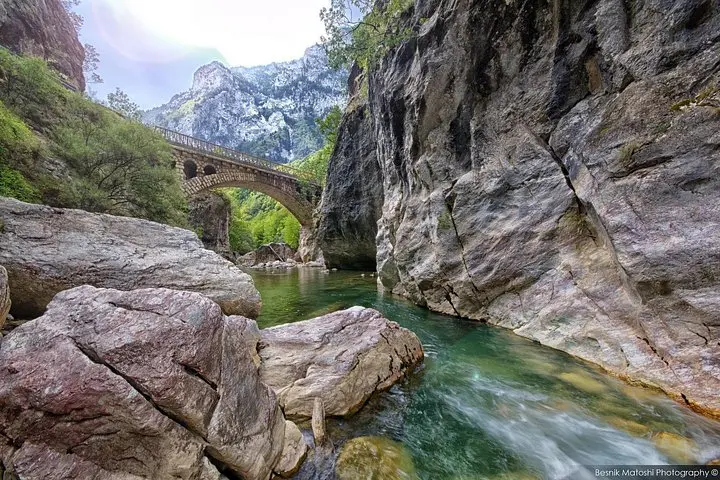
The city of Peja sits at a crossroads of Ottoman, Byzantine and modern Balkan history; its Patriarchate preserves medieval frescoes and the bazaar retains 19th-century trade patterns centered on dairy and handicraft. Rugova Canyon is carved from limestone, its steep walls cut by the White Drin and weathered into tunnels, bridges and ledges that direct water and light into dramatic reveals.
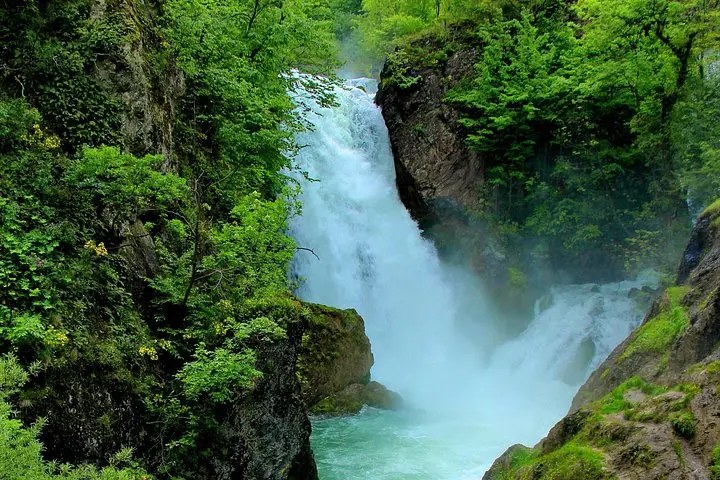
Culturally, the tour showcases living traditions — cheese markets, artisan inns and a multi-faith urban core shaped by centuries of exchange. Geologically, expect karst features, narrow gorges and seasonal cascades.
Practically, the half-day format mixes short walks with private transport; participants should be prepared for brief stair sections, slick rock near falls and uneven bazaar paving. Wear grippy shoes, bring water and a light shell for wind off the canyon. Photography windows are frequent but brief: plan for quick stops rather than extended hikes.
This is a compact introduction to Peja’s layers—history, geology and daily life—ideal for travelers who want atmospheric highlights and local context without a full-day expedition.
The tour lasts approximately 3–6 hours and mixes short guided walks (10–45 minutes at stops) with private vehicle transfers between sites.
Yes; the Patriarchate is open to visitors but follows rules for respectful dress and photography — guides will advise on etiquette and entry times.
Some entries are included and some are not; the itinerary notes which stops include admission, and guides will clarify any on-site fees in advance.
The tour is described as suitable for all fitness levels; however, there are short uneven sections and stairs—let the operator know mobility needs when booking.
Top Balkan Tours operates guided outdoor trips and adventures with an emphasis on safety, stewardship, and memorable experiences.
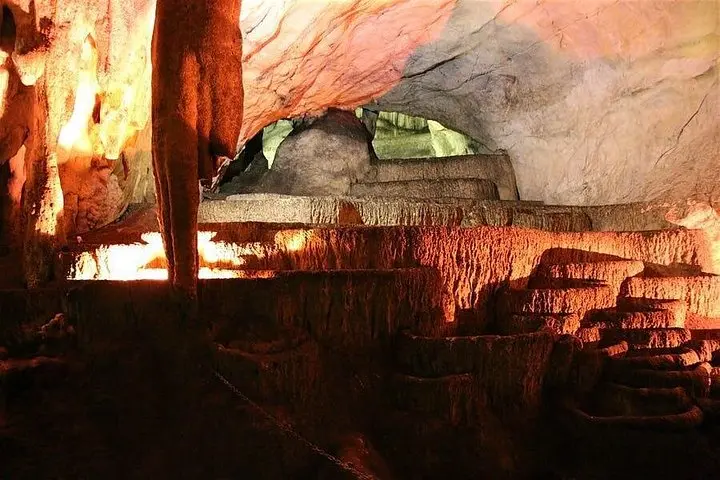
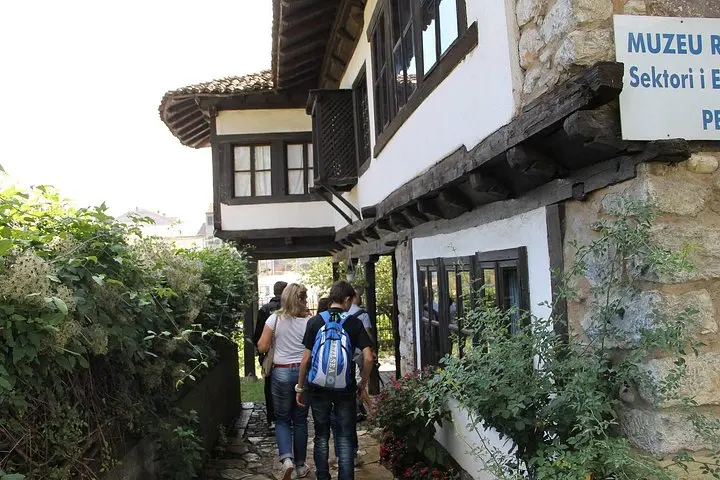
A morning on the edge of Rugova begins where cobbled streets meet mountain shadows: Peja’s bazaar hums with sellers and the distant White Drin rushes like a promise. The guide leads a compact loop — market stalls, Ottoman-era mosque, a 13th-century patriarchate, then out along a road that opens suddenly onto canyon rims, waterfalls and the yawning mouth of Sleeping Beauty Cave.
A morning on the edge of Rugova begins where cobbled streets meet mountain shadows: Peja’s bazaar hums with sellers and the distant White Drin rushes like a promise. The guide leads a compact loop — market stalls, Ottoman-era mosque, a 13th-century patriarchate, then out along a road that opens suddenly onto canyon rims, waterfalls and the yawning mouth of Sleeping Beauty Cave.
The city of Peja sits at a crossroads of Ottoman, Byzantine and modern Balkan history; its Patriarchate preserves medieval frescoes and the bazaar retains 19th-century trade patterns centered on dairy and handicraft. Rugova Canyon is carved from limestone, its steep walls cut by the White Drin and weathered into tunnels, bridges and ledges that direct water and light into dramatic reveals.
Culturally, the tour showcases living traditions — cheese markets, artisan inns and a multi-faith urban core shaped by centuries of exchange. Geologically, expect karst features, narrow gorges and seasonal cascades.
Practically, the half-day format mixes short walks with private transport; participants should be prepared for brief stair sections, slick rock near falls and uneven bazaar paving. Wear grippy shoes, bring water and a light shell for wind off the canyon. Photography windows are frequent but brief: plan for quick stops rather than extended hikes.
This is a compact introduction to Peja’s layers—history, geology and daily life—ideal for travelers who want atmospheric highlights and local context without a full-day expedition.