THE ADVENTURE COLLECTIVE® · Independent discovery and booking for outdoor travel

An 8‑day private journey that threads Lima’s history and coastal wildlife with high‑Andean highlights—Sacred Valley, Humantay Lagoon, Rainbow Mountain and Machu Picchu. Expect altitude, dramatic geology, and a mix of easy cultural stops and short high‑elevation hikes.
An 8‑day private journey that threads Lima’s history and coastal wildlife with high‑Andean highlights—Sacred Valley, Humantay Lagoon, Rainbow Mountain and Machu Picchu. Expect altitude, dramatic geology, and a mix of easy cultural stops and short high‑elevation hikes.
You step off the train into a thin, cold air and the mountains close in like an audience—gray peaks, terraces, and the hush of centuries. The itinerary moves you from Lima’s colonial plazas and electric water fountains to the wind‑scoured dunes of Huacachina, then climbs into the high Andes: Cusco’s stone streets, the Sacred Valley’s salt pans and terraces, the turquoise stillness of Humantay Lagoon, and finally the striped slopes of Rainbow Mountain before the dawn reveal Machu Picchu’s carved stones.
Verified experiences and guided adventures in the surrounding area.
Operated by ANDEAN ESCAPE · Cusco, Cusco
You step off the train into a thin, cold air and the mountains close in like an audience—gray peaks, terraces, and the hush of centuries. The itinerary moves you from Lima’s colonial plazas and electric water fountains to the wind‑scoured dunes of Huacachina, then climbs into the high Andes: Cusco’s stone streets, the Sacred Valley’s salt pans and terraces, the turquoise stillness of Humantay Lagoon, and finally the striped slopes of Rainbow Mountain before the dawn reveal Machu Picchu’s carved stones.
These places trace a geological and cultural arc: coastal seabeds uplifted into desert cliffs, Pleistocene glaciers carving lagoons, and millennia of Andean engineering—Inca terraces, Moray’s microclimate rings, and the salt evaporation pools at Maras. Local communities keep weaving and salt‑harvesting traditions alive; guides translate Quechua place names into stories of agriculture, astronomy, and ritual.
Practical edge: altitude is the defining challenge—Cusco sits near 3,400 m (11,150 ft), Rainbow Mountain exceeds 5,000 m (16,400 ft). Expect unpaved trail sections, rocky staircases at archaeological sites, and short high‑gain hikes of 1–3 hours (Humantay ~3–4 hours round trip, 400–500 m elevation gain). Hydrate, sleep the first day in Cusco, and add bite‑sized activity on arrival. Layer for large temperature swings: sunny afternoons can flip to frosty mornings.
Timing matters: visit in the dry season (May–Sep) for clearer trails and views; pack rain protection in shoulder months. Leave room in your schedule for slower acclimatization and extra time at key sites—standing on a terraced ridge at sunrise will repay the effort.
Significantly—Cusco ~3,400 m and sites like Rainbow Mountain exceed 5,000 m; plan acclimatization days, hydrate, and avoid heavy exertion on arrival.
Visiting the main Machu Picchu citadel involves walking on uneven stone steps and slopes for several hours; optional climbs like Huayna Picchu require reservation and higher fitness.
May–September is the dry season with the most stable weather and clear mountain views.
This itinerary includes domestic flights and key logistics, but confirm which specific train classes and site ticket types are covered at booking.
ANDEAN ESCAPE operates guided outdoor trips and adventures with an emphasis on safety, stewardship, and memorable experiences.
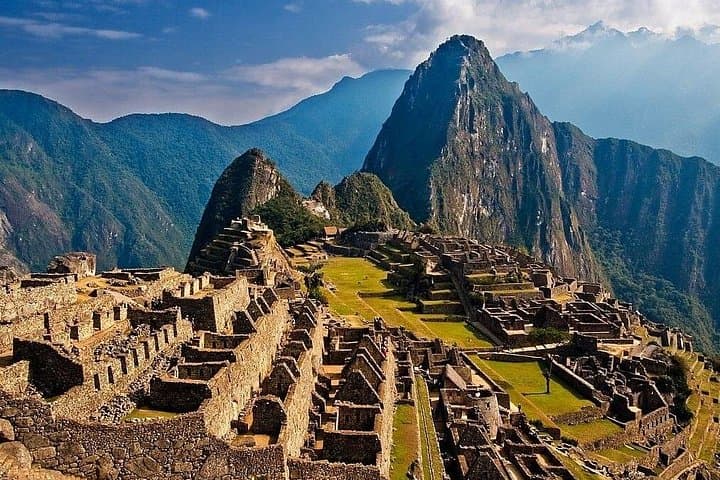
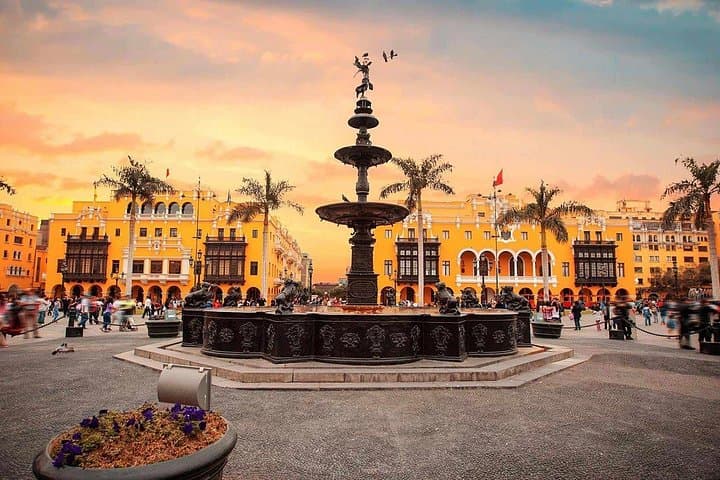
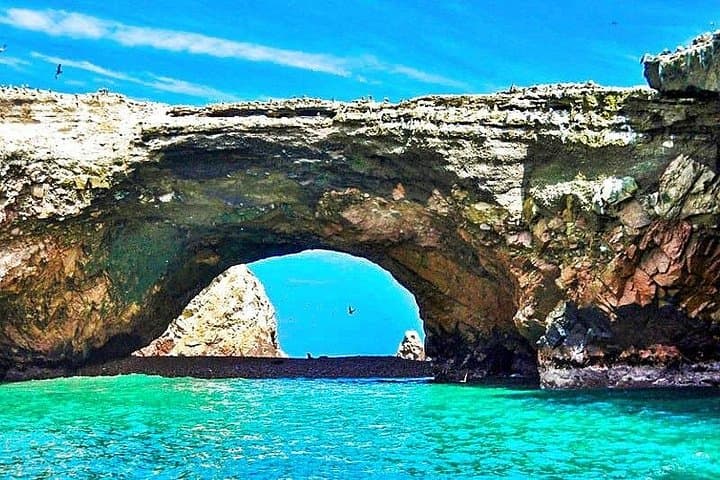
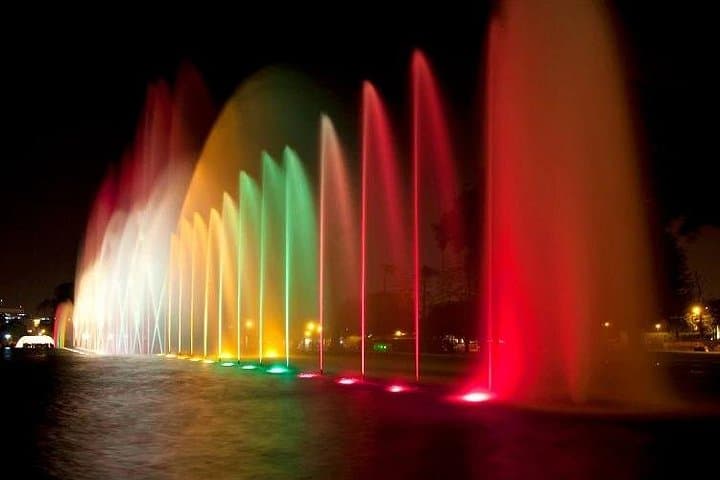
You step off the train into a thin, cold air and the mountains close in like an audience—gray peaks, terraces, and the hush of centuries. The itinerary moves you from Lima’s colonial plazas and electric water fountains to the wind‑scoured dunes of Huacachina, then climbs into the high Andes: Cusco’s stone streets, the Sacred Valley’s salt pans and terraces, the turquoise stillness of Humantay Lagoon, and finally the striped slopes of Rainbow Mountain before the dawn reveal Machu Picchu’s carved stones.
You step off the train into a thin, cold air and the mountains close in like an audience—gray peaks, terraces, and the hush of centuries. The itinerary moves you from Lima’s colonial plazas and electric water fountains to the wind‑scoured dunes of Huacachina, then climbs into the high Andes: Cusco’s stone streets, the Sacred Valley’s salt pans and terraces, the turquoise stillness of Humantay Lagoon, and finally the striped slopes of Rainbow Mountain before the dawn reveal Machu Picchu’s carved stones.
These places trace a geological and cultural arc: coastal seabeds uplifted into desert cliffs, Pleistocene glaciers carving lagoons, and millennia of Andean engineering—Inca terraces, Moray’s microclimate rings, and the salt evaporation pools at Maras. Local communities keep weaving and salt‑harvesting traditions alive; guides translate Quechua place names into stories of agriculture, astronomy, and ritual.
Practical edge: altitude is the defining challenge—Cusco sits near 3,400 m (11,150 ft), Rainbow Mountain exceeds 5,000 m (16,400 ft). Expect unpaved trail sections, rocky staircases at archaeological sites, and short high‑gain hikes of 1–3 hours (Humantay ~3–4 hours round trip, 400–500 m elevation gain). Hydrate, sleep the first day in Cusco, and add bite‑sized activity on arrival. Layer for large temperature swings: sunny afternoons can flip to frosty mornings.
Timing matters: visit in the dry season (May–Sep) for clearer trails and views; pack rain protection in shoulder months. Leave room in your schedule for slower acclimatization and extra time at key sites—standing on a terraced ridge at sunrise will repay the effort.