THE ADVENTURE COLLECTIVE® · Independent discovery and booking for outdoor travel

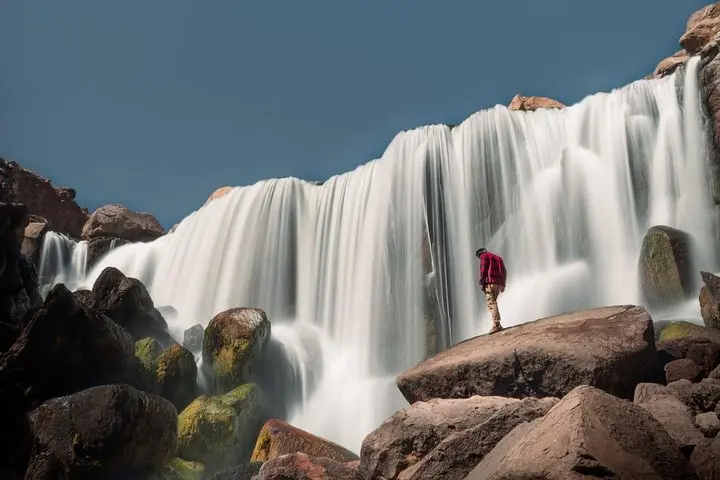
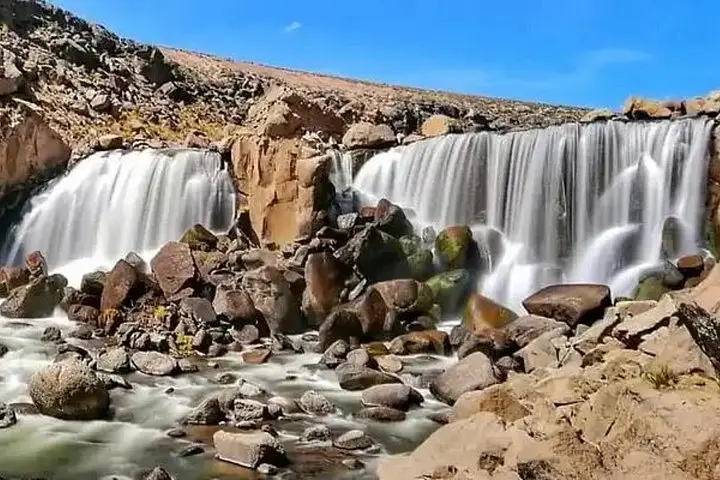
Drive through the Aguada Blanca Reserve to a surreal stone forest, adapt to 4,000 m at Patahuasi with coca tea, then follow a short walk to the 20‑meter Pillones Waterfall. Accessible for most but plan for altitude and variable terrain.
Drive through the Aguada Blanca Reserve to a surreal stone forest, adapt to 4,000 m at Patahuasi with coca tea, then follow a short walk to the 20‑meter Pillones Waterfall. Accessible for most but plan for altitude and variable terrain.
The morning light in the high puna clips the rim of volcanic ridges as a small convoy rolls out of Arequipa toward Aguada Blanca. Air thins and the landscape shifts from irrigated valley to wind-scoured grassland; vicuñas and alpacas watch from a distance while the road bends toward Patahuasi at roughly 4,000 m.a.s.l.
Verified experiences and guided adventures in the surrounding area.
Operated by PERUVIAN CULTURE TRAVEL · Arequipa, Arequipa
The morning light in the high puna clips the rim of volcanic ridges as a small convoy rolls out of Arequipa toward Aguada Blanca. Air thins and the landscape shifts from irrigated valley to wind-scoured grassland; vicuñas and alpacas watch from a distance while the road bends toward Patahuasi at roughly 4,000 m.a.s.l.
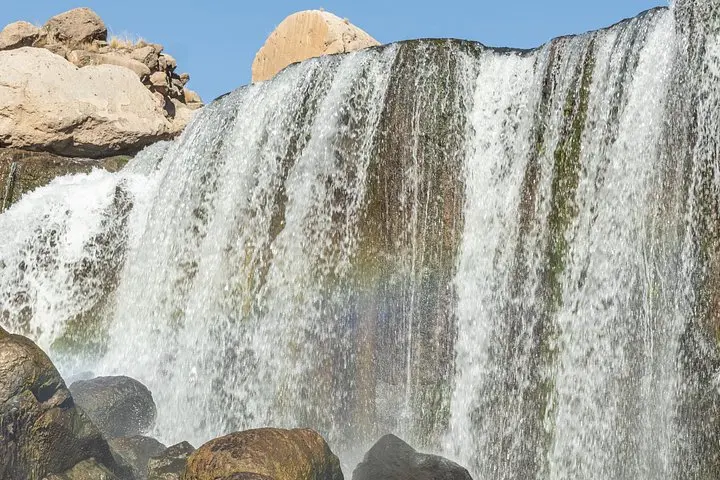
This full-day excursion threads two distinct geologies: the stone forest—an expanse of eroded volcanic columns sculpted by wind and water—and the Pillones Waterfall, a roughly 20‑meter drop that pours over a basalt bed into a cool plunge pool. The region sits on volcanic deposits from the Southern Volcanic Zone; the rocks’ shapes reflect long-term freeze–thaw cycles and aeolian abrasion. Locals historically grazed camelids here; coca leaf tea offered at Patahuasi is a practical nod to altitude and tradition.
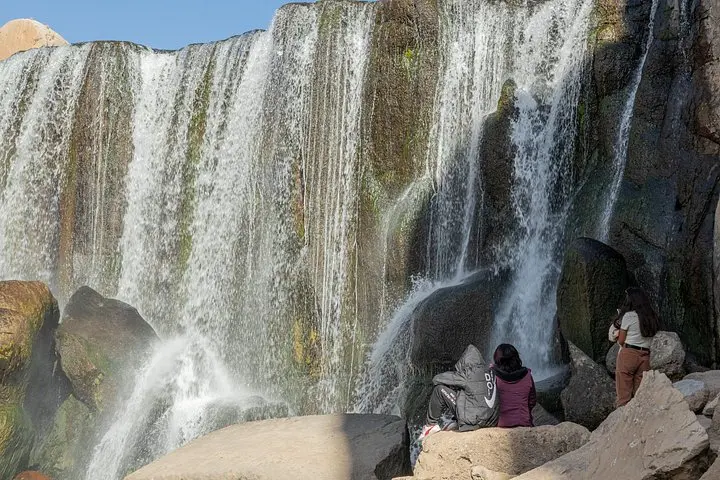
Expect a short, basic walk through uneven, rocky ground to reach the waterfall and viewpoints—steps and loose scree are common. The guide typically allows time to descend beside the falls for photos and to feel the spray; lunch is not included and the itinerary returns to Arequipa by late afternoon.
Practical notes: acclimatize before this day, layer for sun and wind, and plan for limited facilities at the site. The route combines wildlife viewing, simple hiking, and geological spectacle—an accessible high‑altitude outing that rewards steady breathing and sensible gear.
The guided walk to viewpoints and the descent toward the waterfall is short—about 20–30 minutes of walking on uneven ground; most of the day is spent driving and wildlife viewing.
The tour is listed as easy in terms of technical difficulty, but the 4,000 m altitude can affect children and older travelers—consult a physician if concerned and expect limited facilities on site.
Lunch is not included; the itinerary typically returns to Arequipa for drop‑off in the late afternoon, so bring snacks or plan to buy lunch locally.
Yes—Aguada Blanca Reserve hosts wild vicuñas and herds of alpacas and llamas; sightings are common along the drive and at higher puna plateaus.
PERUVIAN CULTURE TRAVEL operates guided outdoor trips and adventures with an emphasis on safety, stewardship, and memorable experiences.
The morning light in the high puna clips the rim of volcanic ridges as a small convoy rolls out of Arequipa toward Aguada Blanca. Air thins and the landscape shifts from irrigated valley to wind-scoured grassland; vicuñas and alpacas watch from a distance while the road bends toward Patahuasi at roughly 4,000 m.a.s.l.
The morning light in the high puna clips the rim of volcanic ridges as a small convoy rolls out of Arequipa toward Aguada Blanca. Air thins and the landscape shifts from irrigated valley to wind-scoured grassland; vicuñas and alpacas watch from a distance while the road bends toward Patahuasi at roughly 4,000 m.a.s.l.
This full-day excursion threads two distinct geologies: the stone forest—an expanse of eroded volcanic columns sculpted by wind and water—and the Pillones Waterfall, a roughly 20‑meter drop that pours over a basalt bed into a cool plunge pool. The region sits on volcanic deposits from the Southern Volcanic Zone; the rocks’ shapes reflect long-term freeze–thaw cycles and aeolian abrasion. Locals historically grazed camelids here; coca leaf tea offered at Patahuasi is a practical nod to altitude and tradition.
Expect a short, basic walk through uneven, rocky ground to reach the waterfall and viewpoints—steps and loose scree are common. The guide typically allows time to descend beside the falls for photos and to feel the spray; lunch is not included and the itinerary returns to Arequipa by late afternoon.
Practical notes: acclimatize before this day, layer for sun and wind, and plan for limited facilities at the site. The route combines wildlife viewing, simple hiking, and geological spectacle—an accessible high‑altitude outing that rewards steady breathing and sensible gear.