THE ADVENTURE COLLECTIVE® · Independent discovery and booking for outdoor travel

A guided one-tank scuba introduction from El Cid Marina that pairs classroom and pool training with a shallow reef dive—ideal for first-time divers who want hands-on instruction and up-close marine encounters.
A guided one-tank scuba introduction from El Cid Marina that pairs classroom and pool training with a shallow reef dive—ideal for first-time divers who want hands-on instruction and up-close marine encounters.
The boat slips quietly away from the marina and the shoreline melts into a ribbon of white sand. Sunlight slices the surface; below, the reef waits—stony ridges and garden-like coral heads that dare you to look closer. After pool drills and equipment checks at the El Cid marina dive shop, novices find certainty in a regulator’s steady hiss and the slow, patient choreography of a guided descent.
Verified experiences and guided adventures in the surrounding area.
Operated by Aquanauts Dive Adventures · Cancún, Quintana Roo
The boat slips quietly away from the marina and the shoreline melts into a ribbon of white sand. Sunlight slices the surface; below, the reef waits—stony ridges and garden-like coral heads that dare you to look closer. After pool drills and equipment checks at the El Cid marina dive shop, novices find certainty in a regulator’s steady hiss and the slow, patient choreography of a guided descent.
This stretch of the northern Mesoamerican Barrier Reef is young in human terms but ancient in geology: coral outcrops built over millennia atop limestone shelves shaped by sea-level change. Local fishing villages and coastal hotels have long depended on the reef; today tourism and conservation share the shoreline, with marine parks regulating anchor zones and dive access.
Expect a two-hour classroom-and-pool briefing followed by a one-tank ocean dive from a small boat. Visibility is commonly 15–30 meters, and water temperatures hover in the mid- to high-70s–80s°F (mid-20s–low-30s°C), depending on season. Common sightings include parrotfish grazing and schooling jacks patrolling coral canyons.
Practical edge: arrive hydrated and with a recent meal, listen closely during surface and in-water briefings, and control your buoyancy—your comfort makes the dive better for everyone. Wear reef-safe sunscreen and secure personal items; boats are small and wet. For first-timers, pacing matters more than depth: the instructor will limit bottom time to keep nitrogen exposure low. With basic swimming skills and an openness to new rhythms, this one-tank intro turns an intimidating sport into something immediate, tactile, and unforgettable.
No — this is a Discover Scuba Diving intro; instructors teach basic skills and limit depth and bottom time for non-certified divers.
Minimum age is 10 years old; younger children are not permitted to dive on this activity.
Use of scuba equipment, pool and shore instruction, boat transport to the reef, and guided dive supervision are included.
Not recommended — travelers with heart problems, recent surgeries, or pregnancy should not dive and should consult a physician beforehand.
Aquanauts Dive Adventures operates guided outdoor trips and adventures with an emphasis on safety, stewardship, and memorable experiences.
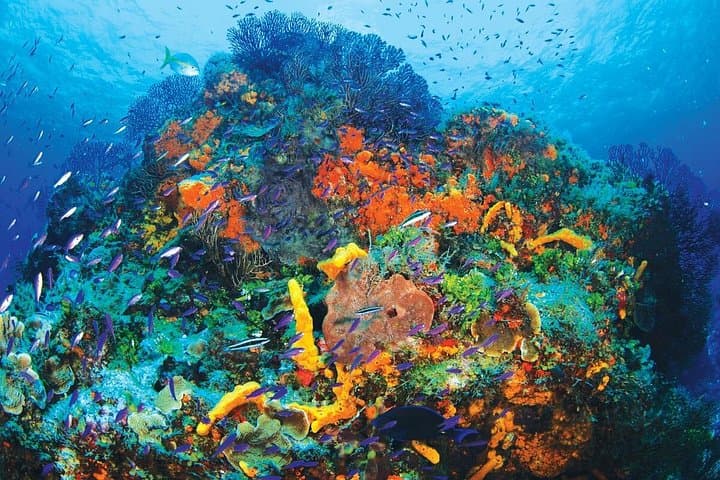
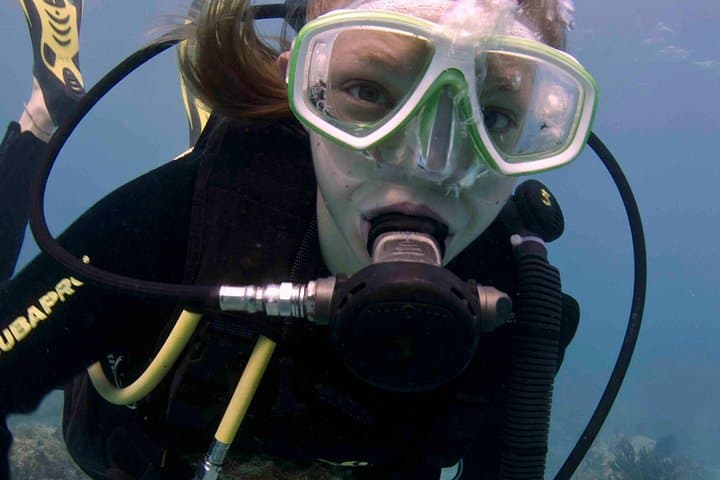
The boat slips quietly away from the marina and the shoreline melts into a ribbon of white sand. Sunlight slices the surface; below, the reef waits—stony ridges and garden-like coral heads that dare you to look closer. After pool drills and equipment checks at the El Cid marina dive shop, novices find certainty in a regulator’s steady hiss and the slow, patient choreography of a guided descent.
The boat slips quietly away from the marina and the shoreline melts into a ribbon of white sand. Sunlight slices the surface; below, the reef waits—stony ridges and garden-like coral heads that dare you to look closer. After pool drills and equipment checks at the El Cid marina dive shop, novices find certainty in a regulator’s steady hiss and the slow, patient choreography of a guided descent.
This stretch of the northern Mesoamerican Barrier Reef is young in human terms but ancient in geology: coral outcrops built over millennia atop limestone shelves shaped by sea-level change. Local fishing villages and coastal hotels have long depended on the reef; today tourism and conservation share the shoreline, with marine parks regulating anchor zones and dive access.
Expect a two-hour classroom-and-pool briefing followed by a one-tank ocean dive from a small boat. Visibility is commonly 15–30 meters, and water temperatures hover in the mid- to high-70s–80s°F (mid-20s–low-30s°C), depending on season. Common sightings include parrotfish grazing and schooling jacks patrolling coral canyons.
Practical edge: arrive hydrated and with a recent meal, listen closely during surface and in-water briefings, and control your buoyancy—your comfort makes the dive better for everyone. Wear reef-safe sunscreen and secure personal items; boats are small and wet. For first-timers, pacing matters more than depth: the instructor will limit bottom time to keep nitrogen exposure low. With basic swimming skills and an openness to new rhythms, this one-tank intro turns an intimidating sport into something immediate, tactile, and unforgettable.