THE ADVENTURE COLLECTIVE® · Independent discovery and booking for outdoor travel

Start with shallow-water drills and end beside a shipwreck and coral nursery—this 2.5-hour Discover Scuba experience in Curaçao pairs easy skills practice with meaningful marine conservation. Perfect for first-time divers who want close guidance and small groups.
Start with shallow-water drills and end beside a shipwreck and coral nursery—this 2.5-hour Discover Scuba experience in Curaçao pairs easy skills practice with meaningful marine conservation. Perfect for first-time divers who want close guidance and small groups.
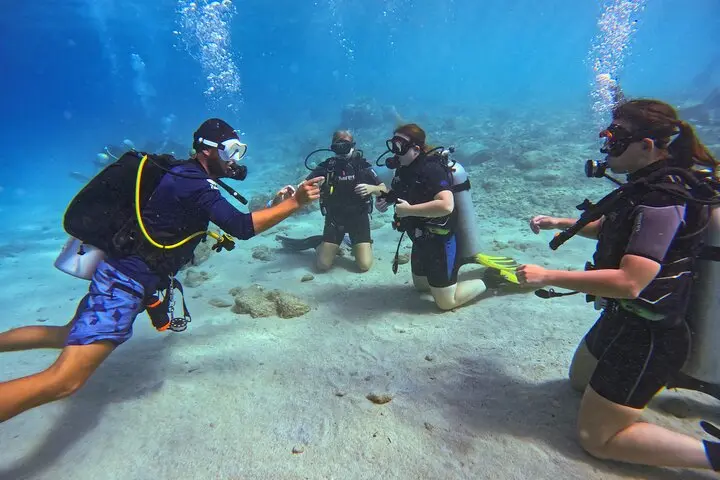
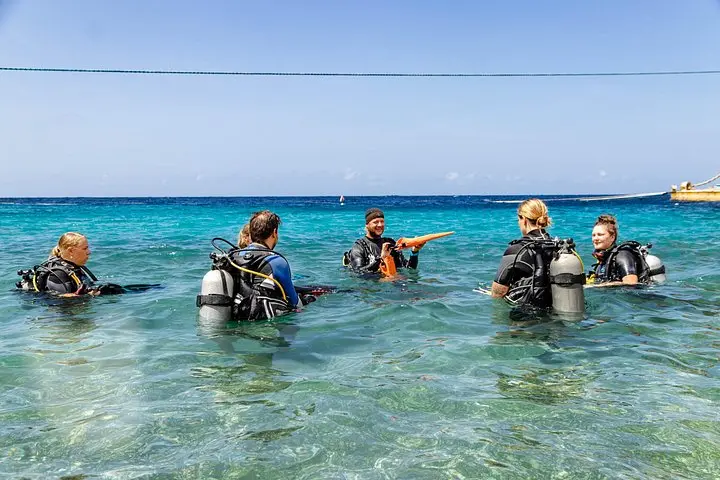
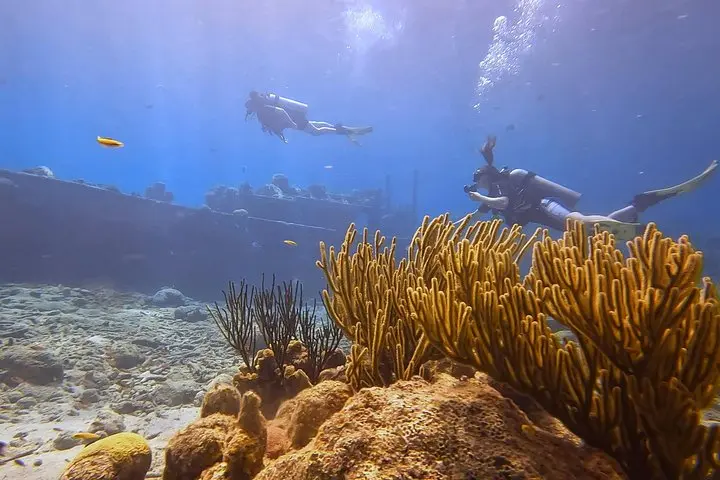
The salt smells sharp as the crew gestures toward a low shelf of sand where the Atlantic folds into color. You step from shaded picnic table into reef-glass water and the island seems to sigh; wind and current rearrange light into a pulsing grid on the sea floor. This is a short, focused descent—an orientation on the beach, three confined-water exercises, then a guided glide out to a nearby shipwreck and a coral restoration patch. In 150 minutes you move from nervous surface breaths to the calm economy of an underwater world that doesn’t rush.
Verified experiences and guided adventures in the surrounding area.
Operated by Scuba Diving in Curacao · Willemstad, Curaçao
The salt smells sharp as the crew gestures toward a low shelf of sand where the Atlantic folds into color. You step from shaded picnic table into reef-glass water and the island seems to sigh; wind and current rearrange light into a pulsing grid on the sea floor. This is a short, focused descent—an orientation on the beach, three confined-water exercises, then a guided glide out to a nearby shipwreck and a coral restoration patch. In 150 minutes you move from nervous surface breaths to the calm economy of an underwater world that doesn’t rush.
Curaçao’s reefs grew along ancient limestone outcrops carved by rising seas. Shipwrecks here are part geology and part human history: trade routes, colonial skirmishes and accidental groundings dot the seabed and now form habitats for fish and corals. Locals combine a maritime culture—fishing, salt pans and coastal trading—with active reef restoration efforts; the dive described here stops at a coral nursery to show how fragments are grown and replanted.
Geologically the island is older and drier than many Caribbean neighbors—coral terraces mark past sea levels—and that hard substrate gives way to dense spur-and-groove reefs that shelter schooling snapper, angelfish and cleaner wrasses. The current can be playful or insistent; on a calm day the water feels like a warm blue room.
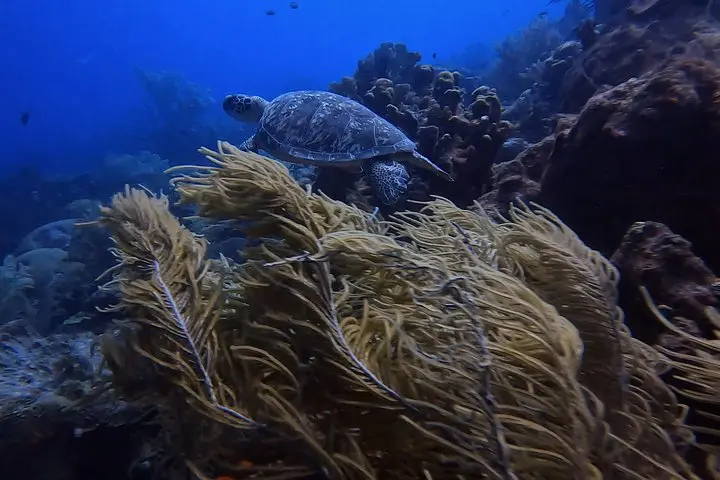
Practical guide: this is a Discover Scuba-style experience—no certification required—but you must be comfortable in the water and free of certain medical conditions. The session includes full scuba kit and a coach who runs three practice exercises in shallow water before the open dive. Expect plentiful marine life: sea turtles frequently investigate divers, and seahorses or pipefish hide among restoration frames. The group size is small (max four), which keeps the pace relaxed and the instructor attention high.
Timing matters: mornings often mean flatter seas and better visibility. Bring a light rash guard or 3mm shorty if you get cold, reef-safe sunscreen and a towel. Eat lightly beforehand and hydrate—the workshop includes surfacing debriefs where the guide points out what you saw and why the coral work matters.
Health and logistics: not recommended if pregnant or with serious heart/back issues. Transfers are available from Jan Thiel for free, Mambo Beach and Willemstad for a fee; communicate pickup needs in advance. Cancel 24 hours ahead for a full refund.
At water level you learn gear, but below you learn patience: the turtle that glides toward you seems to decide whether you belong, the coral restoration frames quietly invite new life. It’s an accessible, precise encounter with Curaçao’s underwater story—equal parts natural history and hands-on conservation.
No; this is a Discover Scuba experience designed for first‑time divers with an instructor-led orientation and shallow practice before the open dive.
Operators typically allow children around 10 years and older—check with the supplier for exact minimums and any guardian requirements.
Turtles are commonly sighted; seahorses are rarer but possible near coral restoration frames and eelgrass areas.
You should be comfortable in open water and able to tread or float; instructors will guide you during confined-water exercises before going deeper.
Transfers are available; Jan Thiel pickups are often free while Mambo Beach and Willemstad transfers may carry a per‑person fee—confirm at booking.
Not recommended for pregnant travelers, or those with significant cardiovascular or spinal issues. Disclose medications and consult a physician if unsure.
Scuba Diving in Curacao operates guided outdoor trips and adventures with an emphasis on safety, stewardship, and memorable experiences.
The salt smells sharp as the crew gestures toward a low shelf of sand where the Atlantic folds into color. You step from shaded picnic table into reef-glass water and the island seems to sigh; wind and current rearrange light into a pulsing grid on the sea floor. This is a short, focused descent—an orientation on the beach, three confined-water exercises, then a guided glide out to a nearby shipwreck and a coral restoration patch. In 150 minutes you move from nervous surface breaths to the calm economy of an underwater world that doesn’t rush.
The salt smells sharp as the crew gestures toward a low shelf of sand where the Atlantic folds into color. You step from shaded picnic table into reef-glass water and the island seems to sigh; wind and current rearrange light into a pulsing grid on the sea floor. This is a short, focused descent—an orientation on the beach, three confined-water exercises, then a guided glide out to a nearby shipwreck and a coral restoration patch. In 150 minutes you move from nervous surface breaths to the calm economy of an underwater world that doesn’t rush.
Curaçao’s reefs grew along ancient limestone outcrops carved by rising seas. Shipwrecks here are part geology and part human history: trade routes, colonial skirmishes and accidental groundings dot the seabed and now form habitats for fish and corals. Locals combine a maritime culture—fishing, salt pans and coastal trading—with active reef restoration efforts; the dive described here stops at a coral nursery to show how fragments are grown and replanted.
Geologically the island is older and drier than many Caribbean neighbors—coral terraces mark past sea levels—and that hard substrate gives way to dense spur-and-groove reefs that shelter schooling snapper, angelfish and cleaner wrasses. The current can be playful or insistent; on a calm day the water feels like a warm blue room.
Practical guide: this is a Discover Scuba-style experience—no certification required—but you must be comfortable in the water and free of certain medical conditions. The session includes full scuba kit and a coach who runs three practice exercises in shallow water before the open dive. Expect plentiful marine life: sea turtles frequently investigate divers, and seahorses or pipefish hide among restoration frames. The group size is small (max four), which keeps the pace relaxed and the instructor attention high.
Timing matters: mornings often mean flatter seas and better visibility. Bring a light rash guard or 3mm shorty if you get cold, reef-safe sunscreen and a towel. Eat lightly beforehand and hydrate—the workshop includes surfacing debriefs where the guide points out what you saw and why the coral work matters.
Health and logistics: not recommended if pregnant or with serious heart/back issues. Transfers are available from Jan Thiel for free, Mambo Beach and Willemstad for a fee; communicate pickup needs in advance. Cancel 24 hours ahead for a full refund.
At water level you learn gear, but below you learn patience: the turtle that glides toward you seems to decide whether you belong, the coral restoration frames quietly invite new life. It’s an accessible, precise encounter with Curaçao’s underwater story—equal parts natural history and hands-on conservation.