THE ADVENTURE COLLECTIVE® · Independent discovery and booking for outdoor travel

Walk from Seoul City Hall to Gyeongbokgung, exploring Gwanghwamun Plaza, Insadong teahouses, and Bukchon’s hanok alleys. This 3–4 hour guided tour blends Joseon history with contemporary city life, ideal for first‑time visitors who want history, food, and neighborhood insight.
Walk from Seoul City Hall to Gyeongbokgung, exploring Gwanghwamun Plaza, Insadong teahouses, and Bukchon’s hanok alleys. This 3–4 hour guided tour blends Joseon history with contemporary city life, ideal for first‑time visitors who want history, food, and neighborhood insight.
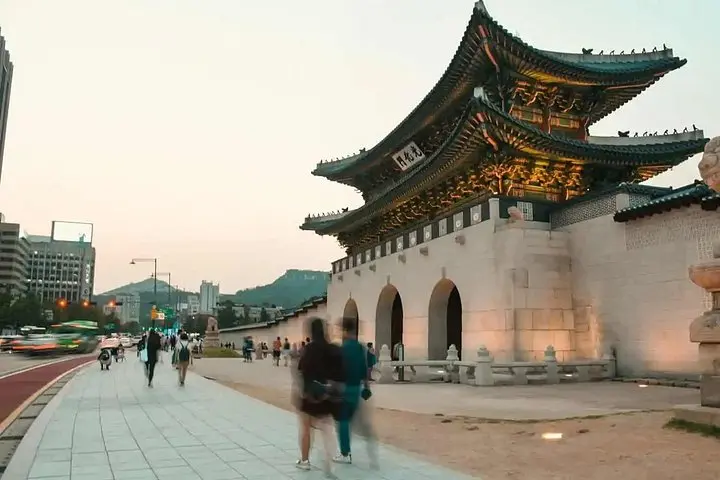
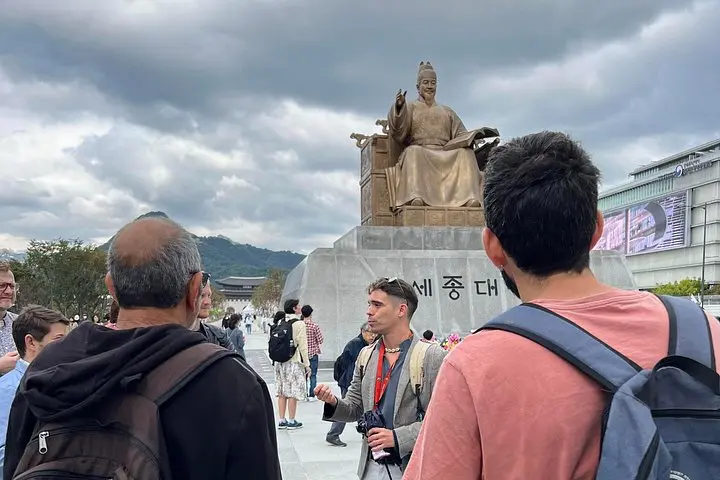
You step out of Seoul City Hall into a corridor of modern glass and stone that quickly gives way to centuries-old roofs and narrow lanes. Gwanghwamun Avenue stretches ahead, statues of Admiral Yi and King Sejong keeping watch as the city’s pulse shifts between government buildings, palace gates, and teahouses.
Verified experiences and guided adventures in the surrounding area.
Operated by MORTOUR GUIDED TOURS · Seoul, Seoul
You step out of Seoul City Hall into a corridor of modern glass and stone that quickly gives way to centuries-old roofs and narrow lanes. Gwanghwamun Avenue stretches ahead, statues of Admiral Yi and King Sejong keeping watch as the city’s pulse shifts between government buildings, palace gates, and teahouses.
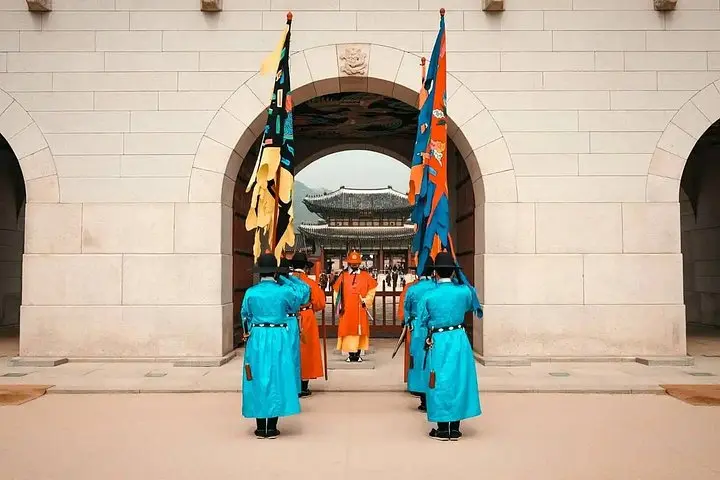
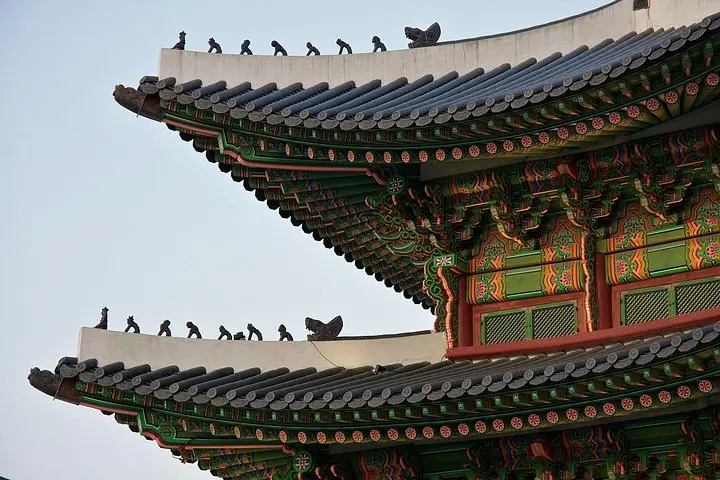
This three‑to‑four‑hour walking circuit threads together the Joseon dynasty’s centerpiece—Gyeongbokgung Palace—with the craft lanes of Insadong and the hilltop alleys of Bukchon Hanok Village. Geologically, Seoul sits on a Han River plain framed by low granite ridgelines; the elevation changes here are modest but provide a laddered view from Bukchon down toward the palace courtyards. Cultural notes appear at every turn: the ceremonial change of the guards at Gyeongbokgung (when scheduled), the calligraphy and ceramics shops of Insadong, and hanok roofs compacted into centuries‑old urban fabric.
Expect a steady, urban walk on paved streets with short flights of stone steps in Bukchon. The route favors sensory detail—steaming street snacks, the bark of a vendor’s call, and the hush inside a tea house—balanced by practical stops for history and photo viewpoints.
Practical guidance: wear comfortable walking shoes, carry water and a portable charger, and plan for weather changes—afternoon showers are common in summer. Public transit connects directly to start points, and tours typically accept mobile tickets. Aim for morning departures to avoid crowds at the palace and to catch clearer light in the alleys.
Admission is not automatically included; many tours pause outside or guide you through the grounds but verify if tickets are part of your booking.
Strollers are generally manageable on most stretches, but Bukchon’s narrow alleys and steps limit accessibility; check with the operator for specific accommodations.
Language availability depends on the operator and schedule—confirm when booking to ensure a guide in your preferred language.
Seoul’s public transit serves City Hall and Gwanghwamun via multiple subway lines; use the City Hall or Gwanghwamun stations for the closest access.
MORTOUR GUIDED TOURS operates guided outdoor trips and adventures with an emphasis on safety, stewardship, and memorable experiences.
You step out of Seoul City Hall into a corridor of modern glass and stone that quickly gives way to centuries-old roofs and narrow lanes. Gwanghwamun Avenue stretches ahead, statues of Admiral Yi and King Sejong keeping watch as the city’s pulse shifts between government buildings, palace gates, and teahouses.
You step out of Seoul City Hall into a corridor of modern glass and stone that quickly gives way to centuries-old roofs and narrow lanes. Gwanghwamun Avenue stretches ahead, statues of Admiral Yi and King Sejong keeping watch as the city’s pulse shifts between government buildings, palace gates, and teahouses.
This three‑to‑four‑hour walking circuit threads together the Joseon dynasty’s centerpiece—Gyeongbokgung Palace—with the craft lanes of Insadong and the hilltop alleys of Bukchon Hanok Village. Geologically, Seoul sits on a Han River plain framed by low granite ridgelines; the elevation changes here are modest but provide a laddered view from Bukchon down toward the palace courtyards. Cultural notes appear at every turn: the ceremonial change of the guards at Gyeongbokgung (when scheduled), the calligraphy and ceramics shops of Insadong, and hanok roofs compacted into centuries‑old urban fabric.
Expect a steady, urban walk on paved streets with short flights of stone steps in Bukchon. The route favors sensory detail—steaming street snacks, the bark of a vendor’s call, and the hush inside a tea house—balanced by practical stops for history and photo viewpoints.
Practical guidance: wear comfortable walking shoes, carry water and a portable charger, and plan for weather changes—afternoon showers are common in summer. Public transit connects directly to start points, and tours typically accept mobile tickets. Aim for morning departures to avoid crowds at the palace and to catch clearer light in the alleys.