THE ADVENTURE COLLECTIVE® · Independent discovery and booking for outdoor travel

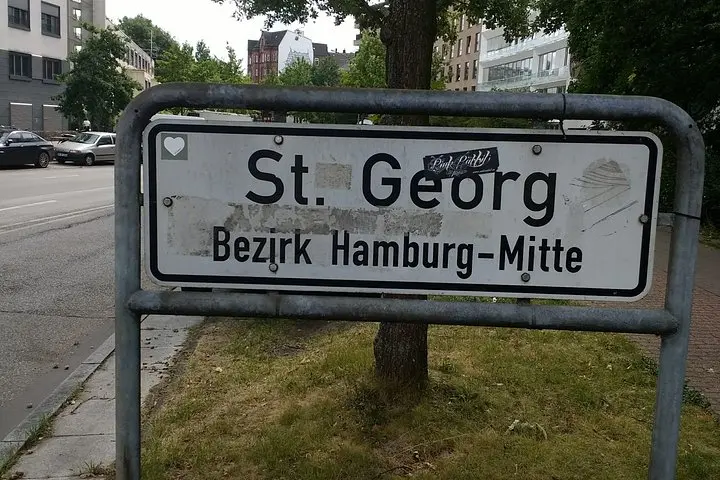
Walk the lively streets of St. Georg and discover a neighborhood where Catholic history, immigrant culture, and Hamburg’s LGBTQ scene intersect. This 2-hour guided walk covers churches, canal views, ethnic shops, and the Lange Reihe nightlife corridor.
Walk the lively streets of St. Georg and discover a neighborhood where Catholic history, immigrant culture, and Hamburg’s LGBTQ scene intersect. This 2-hour guided walk covers churches, canal views, ethnic shops, and the Lange Reihe nightlife corridor.
You step off at Hauptbahnhof and are immediately pulled east by the pulse of St. Georg: shopfronts in several scripts, tramlines rattling, and a canal that dares you to slow down. The district’s streets trade the predictable city grid for narrow lanes, cafés with open doors, and pockets of graffiti that mark where communities meet.
Verified experiences and guided adventures in the surrounding area.
Operated by Florian Gude · Hamburg, Hamburg
You step off at Hauptbahnhof and are immediately pulled east by the pulse of St. Georg: shopfronts in several scripts, tramlines rattling, and a canal that dares you to slow down. The district’s streets trade the predictable city grid for narrow lanes, cafés with open doors, and pockets of graffiti that mark where communities meet.
St. Georg grew as a working-class and immigrant quarter and later became an anchor for Hamburg’s Catholic episcopal presence and LGBTQ scene — histories you’ll hear about as the guide points out churches, ethnic food stores on Steindamm, and the Lange Reihe nightlife corridor. Geology here is subtle: the neighborhood sits on the flat Elbe plain with the Alster and Osterbekkanal shaping street patterns and offering reflective water views that push the city into a softer light.
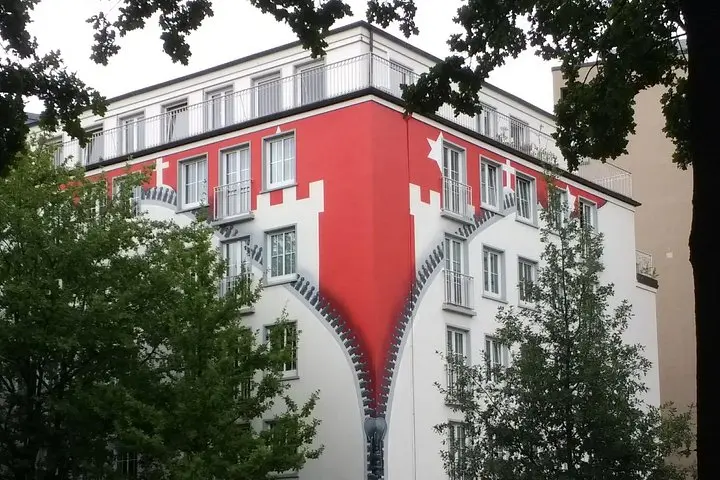
Culturally, it’s an intersection: oriental groceries sit beside gay bars, old tenement facades beside modern refurbishments. Expect human-scale stories—residents who rebuilt shops after war, and new businesses keeping the quarter vibrant.
Practical guidance: the tour is about 2 hours on paved sidewalks and covers roughly 2–3 km with negligible elevation gain. Wear sturdy walking shoes, carry a water bottle, and bring a light layer—winds off the canals can feel colder. Public transport options are close; mobile tickets are accepted. The neighborhood is lively after dark, so plan transport if you intend to stay for dinner. Respect residents: keep noise and litter to a minimum and ask before photographing people in private settings.
The tour lasts about 2 hours and covers roughly 2–3 km on flat, paved streets.
Yes — the provider indicates the route is wheelchair accessible and public transport nearby has accessible stops, but notify the operator of needs when booking.
Alcoholic beverages are not included except for a regional schnapps on the house; you’ll pass many cafés where you can buy food.
Check booking details for language options; shared tours are limited (up to 10 people) for a conversational group size.
Florian Gude operates guided outdoor trips and adventures with an emphasis on safety, stewardship, and memorable experiences.
You step off at Hauptbahnhof and are immediately pulled east by the pulse of St. Georg: shopfronts in several scripts, tramlines rattling, and a canal that dares you to slow down. The district’s streets trade the predictable city grid for narrow lanes, cafés with open doors, and pockets of graffiti that mark where communities meet.
You step off at Hauptbahnhof and are immediately pulled east by the pulse of St. Georg: shopfronts in several scripts, tramlines rattling, and a canal that dares you to slow down. The district’s streets trade the predictable city grid for narrow lanes, cafés with open doors, and pockets of graffiti that mark where communities meet.
St. Georg grew as a working-class and immigrant quarter and later became an anchor for Hamburg’s Catholic episcopal presence and LGBTQ scene — histories you’ll hear about as the guide points out churches, ethnic food stores on Steindamm, and the Lange Reihe nightlife corridor. Geology here is subtle: the neighborhood sits on the flat Elbe plain with the Alster and Osterbekkanal shaping street patterns and offering reflective water views that push the city into a softer light.
Culturally, it’s an intersection: oriental groceries sit beside gay bars, old tenement facades beside modern refurbishments. Expect human-scale stories—residents who rebuilt shops after war, and new businesses keeping the quarter vibrant.
Practical guidance: the tour is about 2 hours on paved sidewalks and covers roughly 2–3 km with negligible elevation gain. Wear sturdy walking shoes, carry a water bottle, and bring a light layer—winds off the canals can feel colder. Public transport options are close; mobile tickets are accepted. The neighborhood is lively after dark, so plan transport if you intend to stay for dinner. Respect residents: keep noise and litter to a minimum and ask before photographing people in private settings.