THE ADVENTURE COLLECTIVE® · Independent discovery and booking for outdoor travel

Walk through Tbilisi’s Old Town with a local guide, from Freedom Square to Narikala Fortress, passing sulphur baths, historic churches, and the Bridge of Peace. This 2.5–3.5 hour small-group tour blends history, architecture, and insider tips for first-time visitors.
Walk through Tbilisi’s Old Town with a local guide, from Freedom Square to Narikala Fortress, passing sulphur baths, historic churches, and the Bridge of Peace. This 2.5–3.5 hour small-group tour blends history, architecture, and insider tips for first-time visitors.
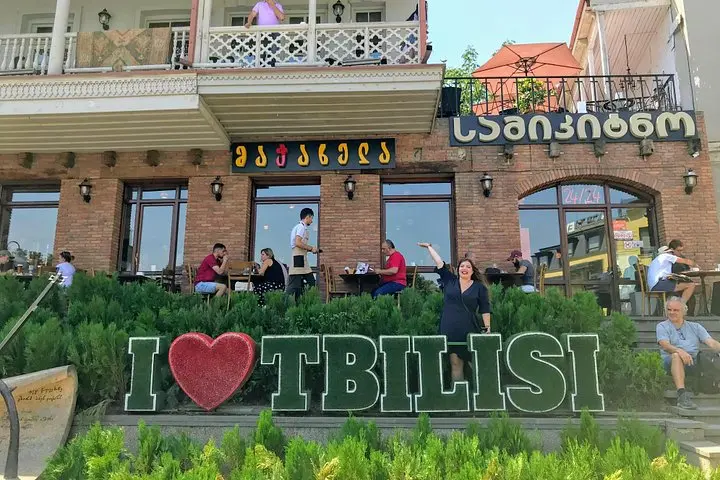
Morning light slides across the Mtkvari River as the guide gathers a small group at Freedom Square — the city's pulse — and the walk begins. Cobbled streets pull visitors under wooden balconies and past ornate churches; the city feels like a record being read aloud, each alley revealing a line of history.
Verified experiences and guided adventures in the surrounding area.
Operated by Friendly.ge: Transfers & Tours in Georgia · Tbilisi, Tbilisi
Morning light slides across the Mtkvari River as the guide gathers a small group at Freedom Square — the city's pulse — and the walk begins. Cobbled streets pull visitors under wooden balconies and past ornate churches; the city feels like a record being read aloud, each alley revealing a line of history.
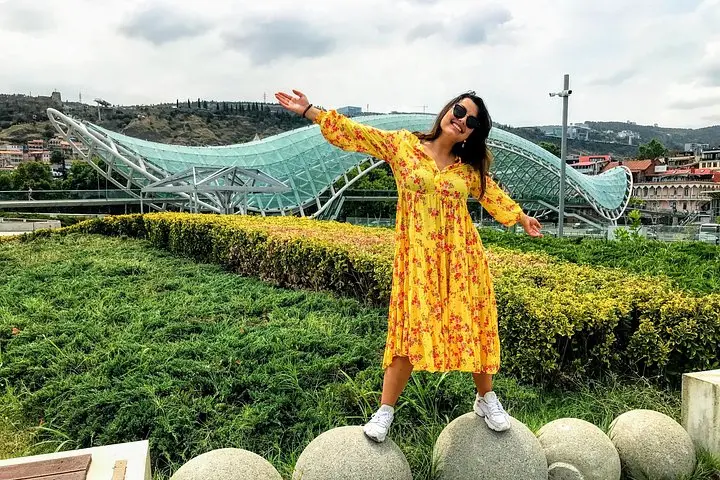
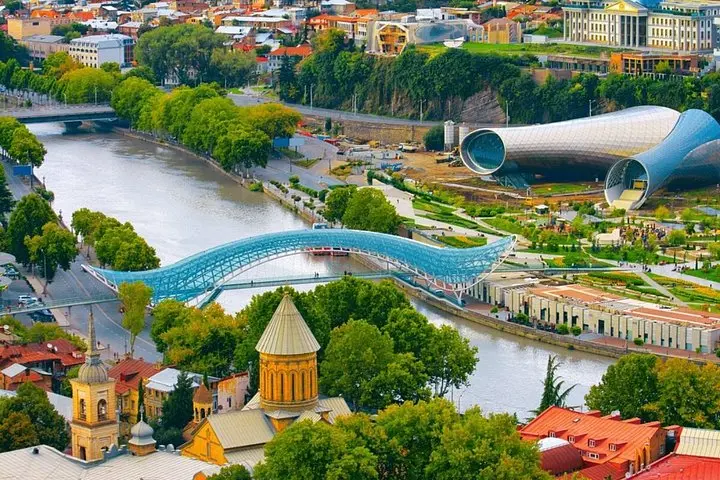
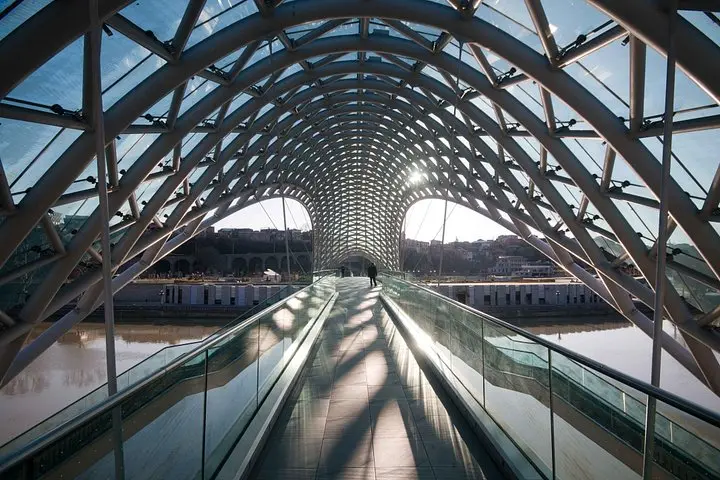
From the Anchiskhati Basilica, Tbilisi’s oldest surviving church, to the modern steel curve of the Bridge of Peace, the tour threads centuries together. Narikala Fortress looms above, a rocky outcrop that once watched trade and conflict; the cable car climb offers a quick, panoramic context for the geography that shaped the city. Sulphur bathhouses in the bath district still steam, hinting at the thermal springs that founded Tbilisi.
Cultural layers are obvious: Persian and Russian influences in architecture, a living theatre scene around Shardeni Street, and religious diversity shown by the Friday Mosque and nearby synagogues. Guides pause at Kartlis Deda and the small waterfall in the old quarter to explain local legends and civic memory.
Practicalities matter: expect 2½–3½ hours on foot over uneven cobbles and short stair climbs; modest dress is required for churches and mosques (shoulders and knees covered). Wear supportive shoes, carry water, and bring a compact jacket for breezy ridge-top views. Small-group size keeps the pace conversational and flexible — ideal for photographers and first-time visitors who want context as well as sights.
Most departures meet at Freedom Square in central Tbilisi; confirm the exact meeting point on your booking voucher.
Yes — the pace is steady but there are uneven surfaces and stairs; participants should have moderate mobility.
This tour focuses on exterior sights and viewpoints; specific admissions (museums or optional cable car) are typically not included unless stated.
Guides commonly lead in English and Russian; multilingual options may be available on request for private tours.
Friendly.ge: Transfers & Tours in Georgia operates guided outdoor trips and adventures with an emphasis on safety, stewardship, and memorable experiences.
Morning light slides across the Mtkvari River as the guide gathers a small group at Freedom Square — the city's pulse — and the walk begins. Cobbled streets pull visitors under wooden balconies and past ornate churches; the city feels like a record being read aloud, each alley revealing a line of history.
Morning light slides across the Mtkvari River as the guide gathers a small group at Freedom Square — the city's pulse — and the walk begins. Cobbled streets pull visitors under wooden balconies and past ornate churches; the city feels like a record being read aloud, each alley revealing a line of history.
From the Anchiskhati Basilica, Tbilisi’s oldest surviving church, to the modern steel curve of the Bridge of Peace, the tour threads centuries together. Narikala Fortress looms above, a rocky outcrop that once watched trade and conflict; the cable car climb offers a quick, panoramic context for the geography that shaped the city. Sulphur bathhouses in the bath district still steam, hinting at the thermal springs that founded Tbilisi.
Cultural layers are obvious: Persian and Russian influences in architecture, a living theatre scene around Shardeni Street, and religious diversity shown by the Friday Mosque and nearby synagogues. Guides pause at Kartlis Deda and the small waterfall in the old quarter to explain local legends and civic memory.
Practicalities matter: expect 2½–3½ hours on foot over uneven cobbles and short stair climbs; modest dress is required for churches and mosques (shoulders and knees covered). Wear supportive shoes, carry water, and bring a compact jacket for breezy ridge-top views. Small-group size keeps the pace conversational and flexible — ideal for photographers and first-time visitors who want context as well as sights.