THE ADVENTURE COLLECTIVE® · Independent discovery and booking for outdoor travel

Walk among aromatic rows and active hives at Guardia Grande, Porto Conte’s educational bee garden. This one-hour guided visit mixes hands-on beekeeping demonstrations with local ecology and honey tasting.
Walk among aromatic rows and active hives at Guardia Grande, Porto Conte’s educational bee garden. This one-hour guided visit mixes hands-on beekeeping demonstrations with local ecology and honey tasting.
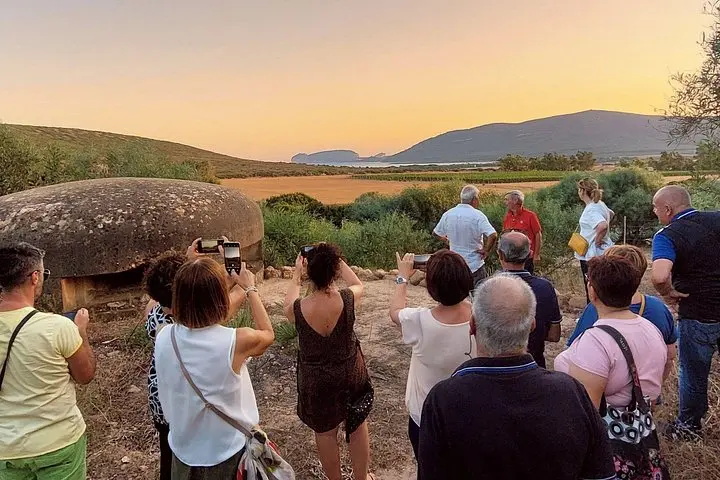
You step off the coastal track into a strip of cultivated color where thyme and rosemary sharpen the air and a distant sea breeze carries salt and limestone dust.
Verified experiences and guided adventures in the surrounding area.
Operated by Escursì - experience sardinia · Alghero, Sardinia
You step off the coastal track into a strip of cultivated color where thyme and rosemary sharpen the air and a distant sea breeze carries salt and limestone dust.
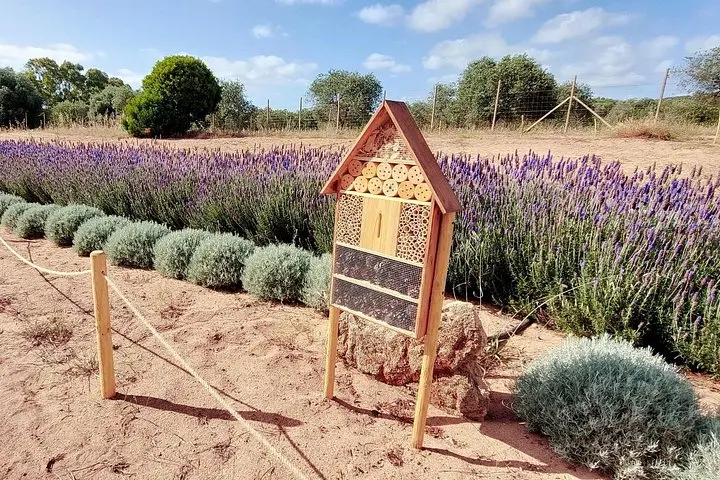
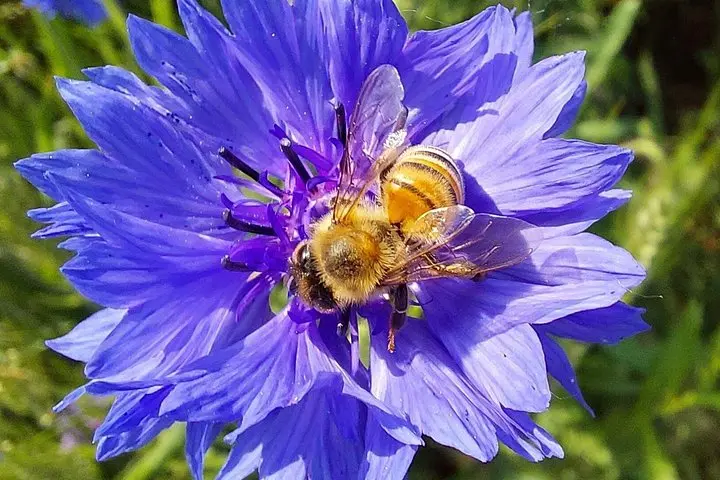
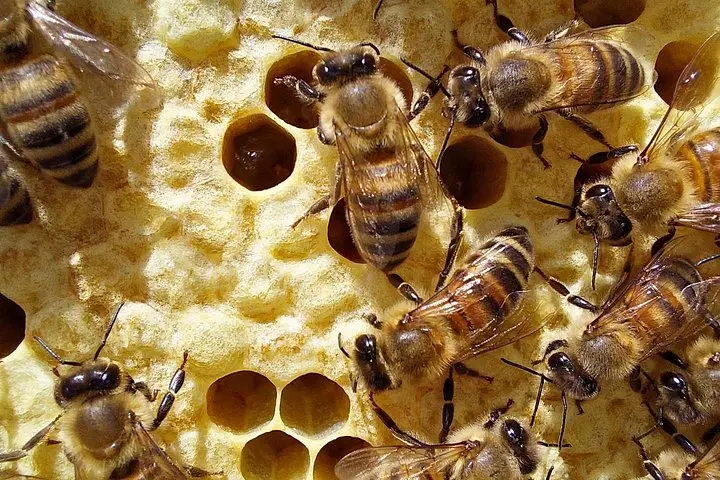
At Guardia Grande, within Porto Conte Regional Park near Alghero, rows of pollinator-friendly plantings hum with activity: honeybees threading among blue bloom and yellow flower, experts moving calmly between hives as they explain frames, queen cups and seasonal flows. The site feels purposeful—part demonstration apiary, part living classroom—where tactile lessons (gloves, smoker, hive tools) meet the soft percussion of wings.
Sardinia’s beekeeping roots reach back through pastoral centuries; the island’s karst geology—Calcareous cliffs and shallow soils—favours aromatic shrubs that give the region’s honey a distinct herbal profile. Local culture treats honey as food and medicine, carried in casseroles, pastries and family recipes.
Practical notes: tours run about 60 minutes and are suitable for all fitness levels. Expect light walking on packed earth; closed shoes are wise. Mornings and late afternoons are best for honey-making demonstrations when bees are calmer. Bring sun protection and avoid strong perfumes. The experience is educational rather than strenuous—built for families, curious travelers and anyone interested in pollinator conservation.
Buy honey produced on-site if available and ask guides about seasonal nectar sources. Respect hive etiquette: follow the guide’s lead, keep movements slow near apiaries and give space to the workers. This short, sensory tour offers a close-up look at the minute engines of the Mediterranean landscape and practical understanding you can carry home.
Yes—tours are family-friendly; infants should sit on an adult’s lap and children should remain close to the guide near hives.
Most visits include a honey-making explanation and opportunities to taste and purchase local honey if offered on site.
Guides typically speak Italian; many operators offer English-language commentary or translation—confirm language availability when booking.
The operator may cancel or reschedule tours in poor weather for safety and hive protection; check the cancellation policy for refunds.
Escursì - experience sardinia operates guided outdoor trips and adventures with an emphasis on safety, stewardship, and memorable experiences.
You step off the coastal track into a strip of cultivated color where thyme and rosemary sharpen the air and a distant sea breeze carries salt and limestone dust.
You step off the coastal track into a strip of cultivated color where thyme and rosemary sharpen the air and a distant sea breeze carries salt and limestone dust.
At Guardia Grande, within Porto Conte Regional Park near Alghero, rows of pollinator-friendly plantings hum with activity: honeybees threading among blue bloom and yellow flower, experts moving calmly between hives as they explain frames, queen cups and seasonal flows. The site feels purposeful—part demonstration apiary, part living classroom—where tactile lessons (gloves, smoker, hive tools) meet the soft percussion of wings.
Sardinia’s beekeeping roots reach back through pastoral centuries; the island’s karst geology—Calcareous cliffs and shallow soils—favours aromatic shrubs that give the region’s honey a distinct herbal profile. Local culture treats honey as food and medicine, carried in casseroles, pastries and family recipes.
Practical notes: tours run about 60 minutes and are suitable for all fitness levels. Expect light walking on packed earth; closed shoes are wise. Mornings and late afternoons are best for honey-making demonstrations when bees are calmer. Bring sun protection and avoid strong perfumes. The experience is educational rather than strenuous—built for families, curious travelers and anyone interested in pollinator conservation.
Buy honey produced on-site if available and ask guides about seasonal nectar sources. Respect hive etiquette: follow the guide’s lead, keep movements slow near apiaries and give space to the workers. This short, sensory tour offers a close-up look at the minute engines of the Mediterranean landscape and practical understanding you can carry home.