THE ADVENTURE COLLECTIVE® · Independent discovery and booking for outdoor travel

Experience the Atacama’s famously clear skies with expert guides and telescopes on a short night tour from San Pedro de Atacama. Perfect for beginners and astronomy buffs, the trip combines scientific explanation, cultural star lore, and spectacular southern-hemisphere views.
Experience the Atacama’s famously clear skies with expert guides and telescopes on a short night tour from San Pedro de Atacama. Perfect for beginners and astronomy buffs, the trip combines scientific explanation, cultural star lore, and spectacular southern-hemisphere views.
The bus eases away from San Pedro as darkness swallows the last sodium lamps and the Atacama sky unfolds like a slow, deliberate reveal. Winds from the high plateau hush the scrub; above, stars ignite with a clarity that seems to push at the dome of night. Guides set up telescopes on a flat, gravel plain; the Milky Way streams overhead and constellations native to the southern hemisphere rotate into view.
Verified experiences and guided adventures in the surrounding area.
Operated by ParaViajantes Tours · San Pedro de Atacama, Antofagasta Region
The bus eases away from San Pedro as darkness swallows the last sodium lamps and the Atacama sky unfolds like a slow, deliberate reveal. Winds from the high plateau hush the scrub; above, stars ignite with a clarity that seems to push at the dome of night. Guides set up telescopes on a flat, gravel plain; the Milky Way streams overhead and constellations native to the southern hemisphere rotate into view.
Centuries before modern observatories, the Atacameño people read these skies for seasons and ceremony. Geologically the area is a high, hyper-arid basin cut by ancient volcanics and salt flats, which is why modern astronomers prize it: thin air, low humidity, and minimal light pollution give crisp seeing. Culturally, San Pedro remains a mix of indigenous traditions and tourist services—expect bilingual guides who blend star lore with technical explanations.
Practical guidance: tours run about 2–3 hours, typically starting after 9pm with hotel pickup. Bring warm layers; temperatures can plunge quickly at 2,400–2,500 m elevation. Guides provide telescopes and a short primer on eyepiece use; some tours include a cocktail and photographs. Expect short, flat walking between scopes and viewing stations rather than long hikes.
Timing matters—moonless nights and clear forecasts are best for deep-sky objects. Respect local conservation practices: no flash photography during guided sessions, and keep noise to a minimum to preserve the experience for others and local wildlife. With minimal exertion required, this tour is ideal for anyone curious about southern skies and the physical geography that makes them so visible.
Tours typically last about 2–3 hours and depart after astronomical twilight, often between 9:00–9:30 PM; exact pickup time is confirmed the day of the tour.
Yes—guides tailor targets to the season and sky conditions, commonly showing planets, star clusters, and brighter nebulae visible from the southern hemisphere.
The activity is physically easy with short, flat walks; however, it’s not recommended for those with serious back or heart problems, and parents should check age policies for young children.
Cloud cover, strong wind, or full moon can reduce seeing; operators often cancel for poor conditions and offer refunds if canceled at least 24 hours prior.
ParaViajantes Tours operates guided outdoor trips and adventures with an emphasis on safety, stewardship, and memorable experiences.
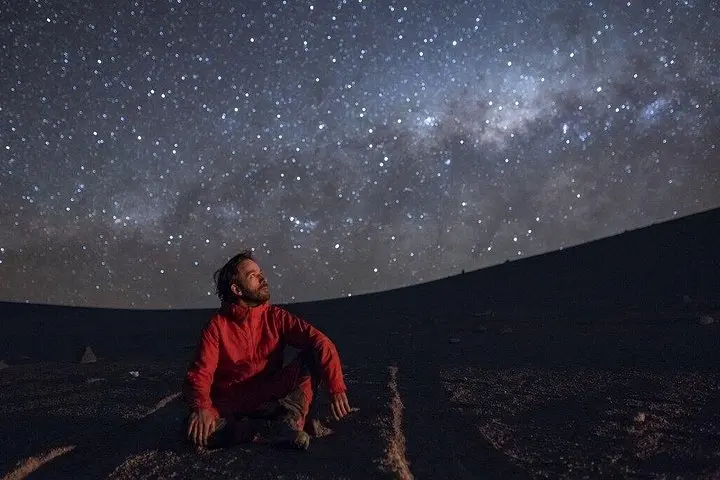
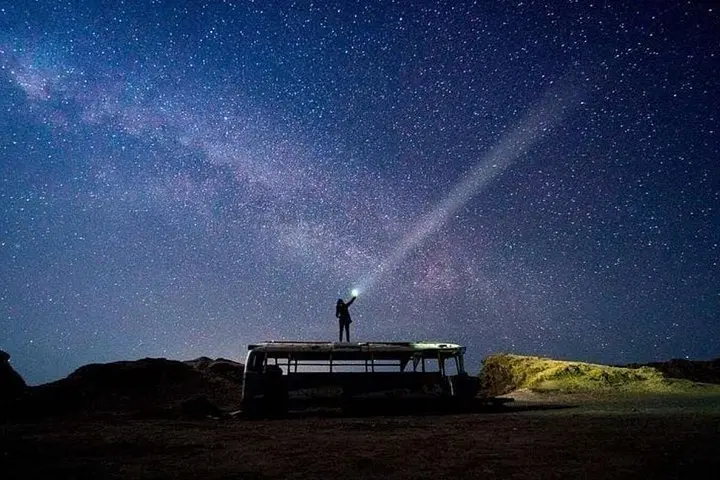
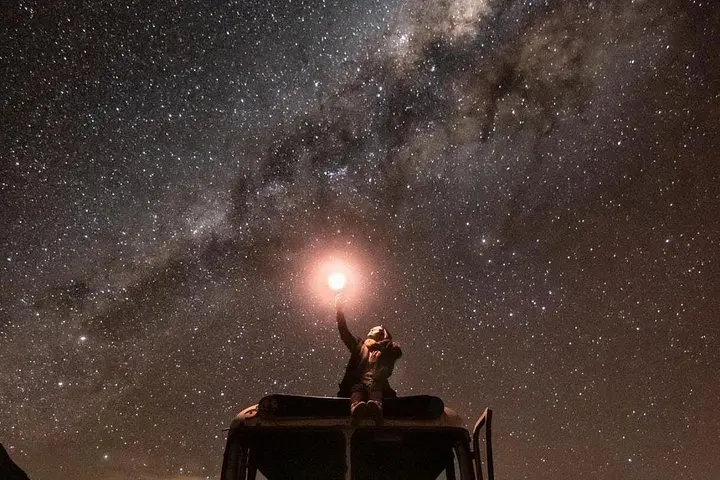
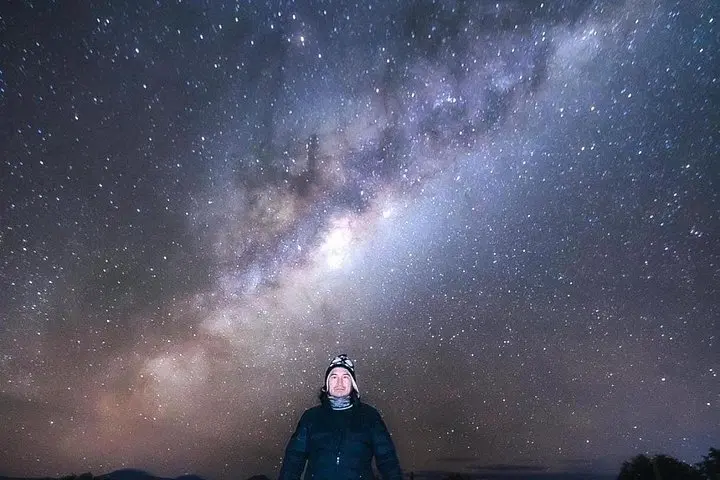
The bus eases away from San Pedro as darkness swallows the last sodium lamps and the Atacama sky unfolds like a slow, deliberate reveal. Winds from the high plateau hush the scrub; above, stars ignite with a clarity that seems to push at the dome of night. Guides set up telescopes on a flat, gravel plain; the Milky Way streams overhead and constellations native to the southern hemisphere rotate into view.
The bus eases away from San Pedro as darkness swallows the last sodium lamps and the Atacama sky unfolds like a slow, deliberate reveal. Winds from the high plateau hush the scrub; above, stars ignite with a clarity that seems to push at the dome of night. Guides set up telescopes on a flat, gravel plain; the Milky Way streams overhead and constellations native to the southern hemisphere rotate into view.
Centuries before modern observatories, the Atacameño people read these skies for seasons and ceremony. Geologically the area is a high, hyper-arid basin cut by ancient volcanics and salt flats, which is why modern astronomers prize it: thin air, low humidity, and minimal light pollution give crisp seeing. Culturally, San Pedro remains a mix of indigenous traditions and tourist services—expect bilingual guides who blend star lore with technical explanations.
Practical guidance: tours run about 2–3 hours, typically starting after 9pm with hotel pickup. Bring warm layers; temperatures can plunge quickly at 2,400–2,500 m elevation. Guides provide telescopes and a short primer on eyepiece use; some tours include a cocktail and photographs. Expect short, flat walking between scopes and viewing stations rather than long hikes.
Timing matters—moonless nights and clear forecasts are best for deep-sky objects. Respect local conservation practices: no flash photography during guided sessions, and keep noise to a minimum to preserve the experience for others and local wildlife. With minimal exertion required, this tour is ideal for anyone curious about southern skies and the physical geography that makes them so visible.