THE ADVENTURE COLLECTIVE® · Independent discovery and booking for outdoor travel

A compact, private day tour that combines Turpan’s engineering marvels, Silk Road ruins, and distinctive Uyghur architecture. Ideal for travelers who want history, geology, and hands-on cultural interpretation within one full day.
A compact, private day tour that combines Turpan’s engineering marvels, Silk Road ruins, and distinctive Uyghur architecture. Ideal for travelers who want history, geology, and hands-on cultural interpretation within one full day.
Step off your hotel steps into a low, dry air that smells faintly of baked earth and ripening grapes. Date palms line the oasis streets while a cylindrical minaret pins the skyline—the Emin Minaret, built in 1777, guiding the eye across a landscape shaped by water and wind.
Verified experiences and guided adventures in the surrounding area.
Operated by SilkRoadTrips · Turpan, Xinjiang
Step off your hotel steps into a low, dry air that smells faintly of baked earth and ripening grapes. Date palms line the oasis streets while a cylindrical minaret pins the skyline—the Emin Minaret, built in 1777, guiding the eye across a landscape shaped by water and wind.
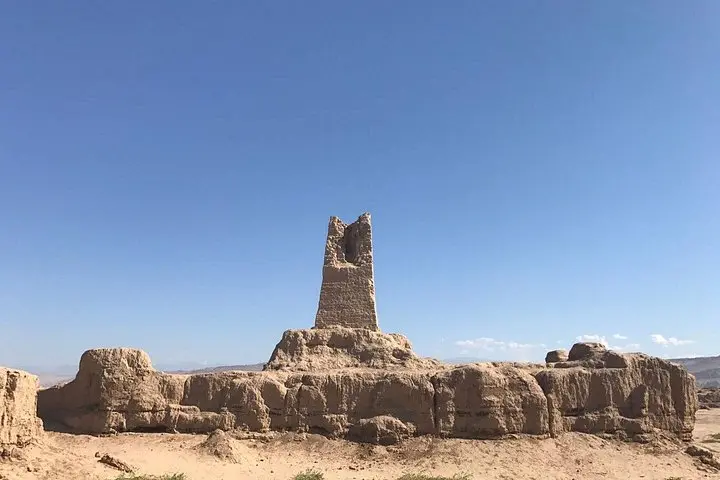
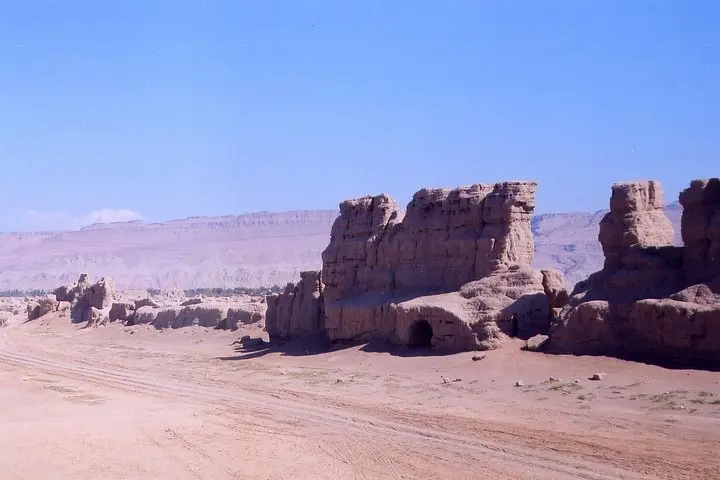
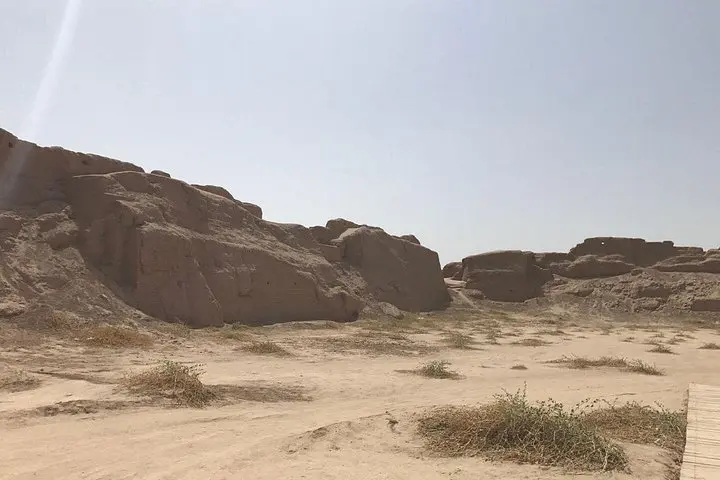
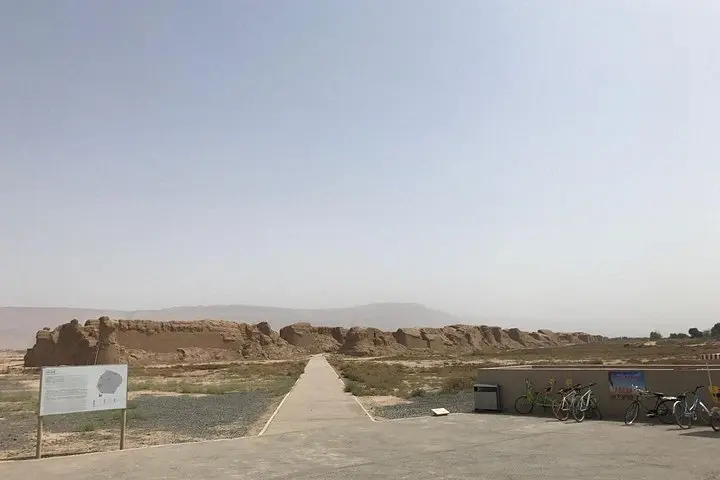
This full-day route threads history and geology. Turpan sits in one of the deepest continental depressions on Earth, ringed by the red ridges of the Flaming Mountains; the region’s geology channels rare groundwater into the ingenious karez system—underground qanats that still feed vineyards and orchards. Along the way, the ruins of Gaochang and the cliff-top city of Jiaohe recall Turpan’s role on the Silk Road: merchant routes, temples, and caravan cities layered over centuries of cultural exchange.
The Bezklik Thousand Buddha Caves offer faded frescoes and quiet corridors where centuries-old paint peels like desert varnish. The Emin Minaret shows Uyghur architectural detail—brickwork and floral motifs—while the karez reveals human engineering that “tunnels” water across salt-prone plains.
Practical guidance: plan for six hours with moderate walking on uneven ruins and sun-exposed trails. Bring sun protection, at least 2 liters of water, comfortable walking shoes, and a light layer for dusty winds. Carry your passport for site access and expect a private guide to set a gentle pace with cultural context. Morning light is best for photos at Jiaohe and Gaochang; late afternoon softens the Flaming Mountains’ colors. Respect local customs near mosques and agricultural plots and avoid touching frescoes—these sites are fragile and finite.
Yes—this private tour includes centrally located Turpan hotel pickup and drop-off; confirm pickup point when booking.
Admission to listed sites is included and the tour provides a local lunch as noted in the itinerary.
Yes; the operator lists the trip as physically easy and suitable for a wide range of ages, though mobility limitations can make ruins harder to access.
A current valid passport is required for booking and site entries; keep it with you during the tour.
SilkRoadTrips operates guided outdoor trips and adventures with an emphasis on safety, stewardship, and memorable experiences.
Step off your hotel steps into a low, dry air that smells faintly of baked earth and ripening grapes. Date palms line the oasis streets while a cylindrical minaret pins the skyline—the Emin Minaret, built in 1777, guiding the eye across a landscape shaped by water and wind.
Step off your hotel steps into a low, dry air that smells faintly of baked earth and ripening grapes. Date palms line the oasis streets while a cylindrical minaret pins the skyline—the Emin Minaret, built in 1777, guiding the eye across a landscape shaped by water and wind.
This full-day route threads history and geology. Turpan sits in one of the deepest continental depressions on Earth, ringed by the red ridges of the Flaming Mountains; the region’s geology channels rare groundwater into the ingenious karez system—underground qanats that still feed vineyards and orchards. Along the way, the ruins of Gaochang and the cliff-top city of Jiaohe recall Turpan’s role on the Silk Road: merchant routes, temples, and caravan cities layered over centuries of cultural exchange.
The Bezklik Thousand Buddha Caves offer faded frescoes and quiet corridors where centuries-old paint peels like desert varnish. The Emin Minaret shows Uyghur architectural detail—brickwork and floral motifs—while the karez reveals human engineering that “tunnels” water across salt-prone plains.
Practical guidance: plan for six hours with moderate walking on uneven ruins and sun-exposed trails. Bring sun protection, at least 2 liters of water, comfortable walking shoes, and a light layer for dusty winds. Carry your passport for site access and expect a private guide to set a gentle pace with cultural context. Morning light is best for photos at Jiaohe and Gaochang; late afternoon softens the Flaming Mountains’ colors. Respect local customs near mosques and agricultural plots and avoid touching frescoes—these sites are fragile and finite.