THE ADVENTURE COLLECTIVE® · Independent discovery and booking for outdoor travel

A 12-day route from Saigon to Sapa that stitches Vietnam’s rivers, karst islands, colonial cities and highland villages into a single trip. Expect overnight cruises, homestays, cable cars to Fansipan and a steady diet of street food and history.
A 12-day route from Saigon to Sapa that stitches Vietnam’s rivers, karst islands, colonial cities and highland villages into a single trip. Expect overnight cruises, homestays, cable cars to Fansipan and a steady diet of street food and history.
You step out of Saigon’s humid air into a swirl of motorbikes and neon; the city’s pulse carries you toward the Mekong’s calm channels and, over the next twelve days, to limestone towers in Ha Long Bay and rice terraces high above Sapa.
Verified experiences and guided adventures in the surrounding area.
Operated by Luco Travel - Vietnam Tour Operator · Ho Chi Minh City, Ho Chi Minh
You step out of Saigon’s humid air into a swirl of motorbikes and neon; the city’s pulse carries you toward the Mekong’s calm channels and, over the next twelve days, to limestone towers in Ha Long Bay and rice terraces high above Sapa.
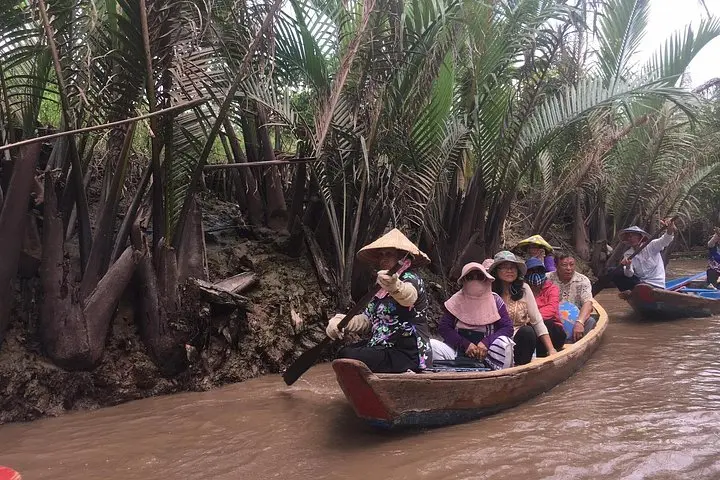
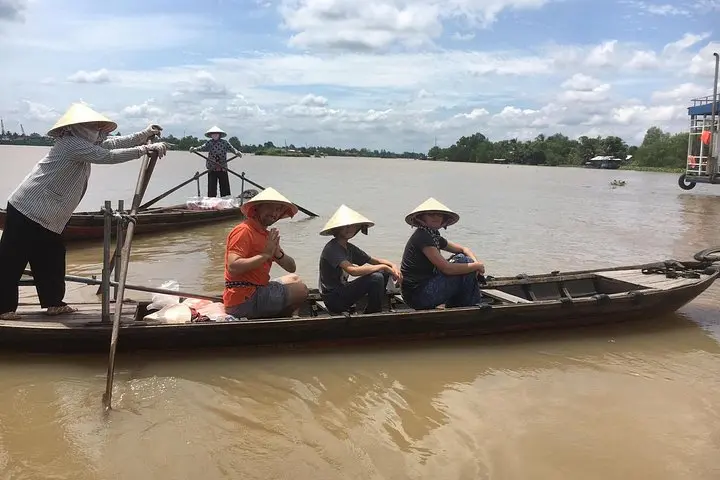
This itinerary threads Vietnam’s geography and history: the flat, braided waterways of the Mekong Delta where longboats push past stilt houses; the Cu Chi tunnel network—more than 250 km of wartime canals—cut into the red earth; the karst islands of Ha Long and Bai Tu Long Bay, where wind and tide have carved steep limestone pinnacles for millions of years; and the cool, fog-softened slopes of Fansipan (3,143 m), the country’s roof reached by cable car. Cultural highlights include Hoi An’s merchant houses and wooden bridge, Hanoi’s Old Quarter and water puppet theatre, hill-tribe homestays in Lao Chai, and the Golden Bridge above Ba Na Hills (≈1,487 m).
Expect a mix of transport: private van, short domestic flights (Saigon–Da Nang, Da Nang–Hanoi), an overnight cruise in Ha Long, plus an overnight train to Lao Cai/Sapa. Meals range from street-food stalls on a scooter tour to hotel breakfasts; visas on arrival can be pre-approved and many entry fees are included.
Practical guidance: pack light but layered, allow time to acclimatize to temperature shifts between delta heat and mountain cool, and factor in bumpy rural roads. Hydrate on long drives, carry cash for floating markets, and respect local customs when visiting pagodas and tribal villages. With a bit of planning this route delivers a concentrated, varied view of Vietnam’s landscapes, food, and living history.
Many nationalities can obtain a visa on arrival with a pre-approval letter (included here); check current entry rules and have printed or digital approval ready.
Trekking is generally moderate—hourly walking on uneven trails and some stair sections; cable car to Fansipan reduces effort to the summit area.
Calmer sheltered areas allow kayaking, and some cruises offer short swims—follow crew guidance, wear life jackets and avoid strong tidal currents.
Most breakfasts and several lunches/dinners are included, as are domestic flights, selected transfers and an overnight Ha Long cruise—refer to the itinerary for specifics.
Luco Travel - Vietnam Tour Operator operates guided outdoor trips and adventures with an emphasis on safety, stewardship, and memorable experiences.
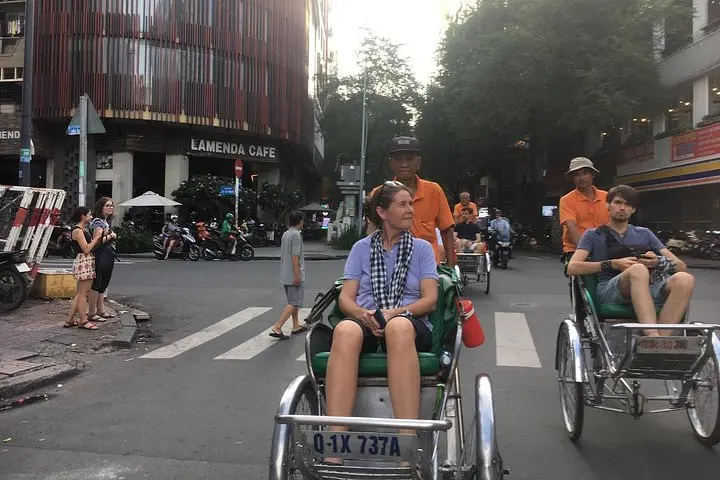
You step out of Saigon’s humid air into a swirl of motorbikes and neon; the city’s pulse carries you toward the Mekong’s calm channels and, over the next twelve days, to limestone towers in Ha Long Bay and rice terraces high above Sapa.
You step out of Saigon’s humid air into a swirl of motorbikes and neon; the city’s pulse carries you toward the Mekong’s calm channels and, over the next twelve days, to limestone towers in Ha Long Bay and rice terraces high above Sapa.
This itinerary threads Vietnam’s geography and history: the flat, braided waterways of the Mekong Delta where longboats push past stilt houses; the Cu Chi tunnel network—more than 250 km of wartime canals—cut into the red earth; the karst islands of Ha Long and Bai Tu Long Bay, where wind and tide have carved steep limestone pinnacles for millions of years; and the cool, fog-softened slopes of Fansipan (3,143 m), the country’s roof reached by cable car. Cultural highlights include Hoi An’s merchant houses and wooden bridge, Hanoi’s Old Quarter and water puppet theatre, hill-tribe homestays in Lao Chai, and the Golden Bridge above Ba Na Hills (≈1,487 m).
Expect a mix of transport: private van, short domestic flights (Saigon–Da Nang, Da Nang–Hanoi), an overnight cruise in Ha Long, plus an overnight train to Lao Cai/Sapa. Meals range from street-food stalls on a scooter tour to hotel breakfasts; visas on arrival can be pre-approved and many entry fees are included.
Practical guidance: pack light but layered, allow time to acclimatize to temperature shifts between delta heat and mountain cool, and factor in bumpy rural roads. Hydrate on long drives, carry cash for floating markets, and respect local customs when visiting pagodas and tribal villages. With a bit of planning this route delivers a concentrated, varied view of Vietnam’s landscapes, food, and living history.