THE ADVENTURE COLLECTIVE® · Independent discovery and booking for outdoor travel

Spend 3–4 hours exploring Divar Island with local guides—walk mangrove trails, visit an early 20th-century Indo-Portuguese home, and take in panoramic views of the Mandovi River. This easy cultural-nature walk pairs quiet wildlife spotting with hands-on local history.
Spend 3–4 hours exploring Divar Island with local guides—walk mangrove trails, visit an early 20th-century Indo-Portuguese home, and take in panoramic views of the Mandovi River. This easy cultural-nature walk pairs quiet wildlife spotting with hands-on local history.
You step off the short ferry and the river exhales—salty, silt-sweet—pushing you toward narrow lanes lined with tile-roofed homes and the low, green rumble of mangroves.
Verified experiences and guided adventures in the surrounding area.
Operated by The Divar Island Project · Divar, Goa
You step off the short ferry and the river exhales—salty, silt-sweet—pushing you toward narrow lanes lined with tile-roofed homes and the low, green rumble of mangroves.
This three- to four-hour walk threads village streets, mangrove trails and a modest hilltop viewpoint that opens onto the Mandovi’s braided channels. Geologically the island is river-washed alluvium: soft soils, tidal creeks and a shoreline that changes with monsoon tides. Culturally, Divar bears clear Portuguese-era marks—Indo-Portuguese chapels, baroque window frames and family homes that preserve artifacts and stories across generations.
Locals guide the route: you’ll visit a century-old Goan house, taste simple home-cooked snacks and watch daily life at village markets. The mangroves dare you to move quietly; kingfishers and egrets patrol the channels while otters slip through shadow lines. A short climb to the viewpoint rewards walkers with a panorama of river ribboning past paddy fields and clustered churches.
Practical edge: paths are mostly flat village roads or soft mangrove trails—expect uneven surfaces, exposed roots and occasional muddy patches after rain. Wear closed-toe shoes, carry water and sunscreen, and plan the trip outside peak midday heat. Respect private homes and ask before photographing people. If you’re visiting in monsoon (June–September), expect slick trails and curtailed stops; winter months (November–February) offer the most comfortable conditions and best bird activity.
This excursion is low-effort but rich in small discoveries—heritage architecture, close wildlife encounters and the particular quiet of an island lived-in by generations.
Regular ferries depart from Ribandar/Old Goa and Panaji; check local ferry schedules and arrive 10–15 minutes early for boarding.
Yes—short sections are stroller-accessible and the itinerary notes infant accommodations, but expect some uneven paths and a short hill climb.
The tour includes light snacks in a local home; public toilets are limited—use facilities before boarding and bring hand sanitizer.
Estuarine crocodiles have been reported in regional waterways; guides route walks through safe areas and will advise keeping distance from river edges.
The Divar Island Project operates guided outdoor trips and adventures with an emphasis on safety, stewardship, and memorable experiences.
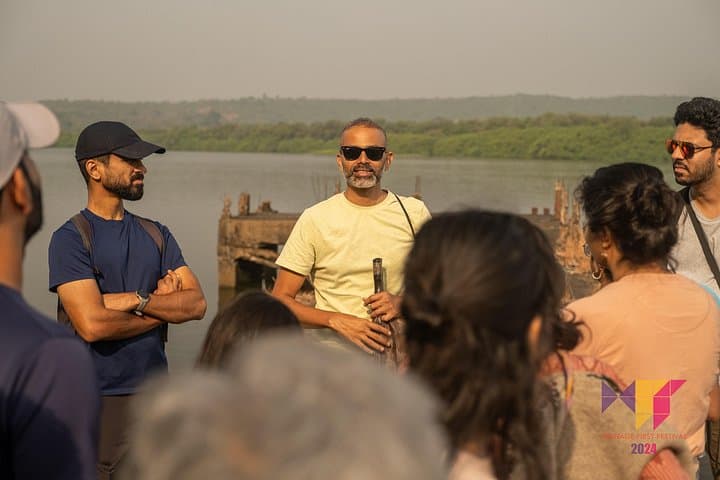


You step off the short ferry and the river exhales—salty, silt-sweet—pushing you toward narrow lanes lined with tile-roofed homes and the low, green rumble of mangroves.
You step off the short ferry and the river exhales—salty, silt-sweet—pushing you toward narrow lanes lined with tile-roofed homes and the low, green rumble of mangroves.
This three- to four-hour walk threads village streets, mangrove trails and a modest hilltop viewpoint that opens onto the Mandovi’s braided channels. Geologically the island is river-washed alluvium: soft soils, tidal creeks and a shoreline that changes with monsoon tides. Culturally, Divar bears clear Portuguese-era marks—Indo-Portuguese chapels, baroque window frames and family homes that preserve artifacts and stories across generations.
Locals guide the route: you’ll visit a century-old Goan house, taste simple home-cooked snacks and watch daily life at village markets. The mangroves dare you to move quietly; kingfishers and egrets patrol the channels while otters slip through shadow lines. A short climb to the viewpoint rewards walkers with a panorama of river ribboning past paddy fields and clustered churches.
Practical edge: paths are mostly flat village roads or soft mangrove trails—expect uneven surfaces, exposed roots and occasional muddy patches after rain. Wear closed-toe shoes, carry water and sunscreen, and plan the trip outside peak midday heat. Respect private homes and ask before photographing people. If you’re visiting in monsoon (June–September), expect slick trails and curtailed stops; winter months (November–February) offer the most comfortable conditions and best bird activity.
This excursion is low-effort but rich in small discoveries—heritage architecture, close wildlife encounters and the particular quiet of an island lived-in by generations.