
Dive Old Alexandria: Guided Ruins Dives at the Submerged Pharos and Cleopatra's Palace
Slip beneath Alexandria’s waves to explore submerged columns, statues, and the remains of the Pharos lighthouse. Two guided shallow dives make this an accessible archaeological experience that pairs straightforward diving with rare glimpses of Greco-Roman history.
An Adventure In Alexandria.
Slip beneath Alexandria’s waves to explore submerged columns, statues, and the remains of the Pharos lighthouse. Two guided shallow dives make this an accessible archaeological experience that pairs straightforward diving with rare glimpses of Greco-Roman history.
Read the full experience
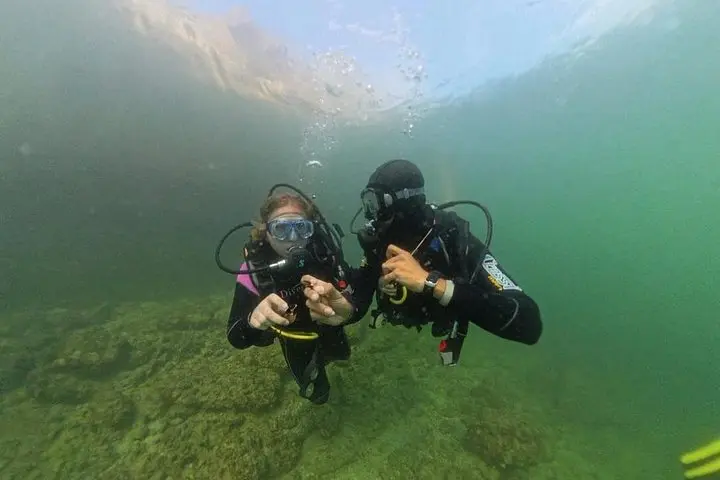
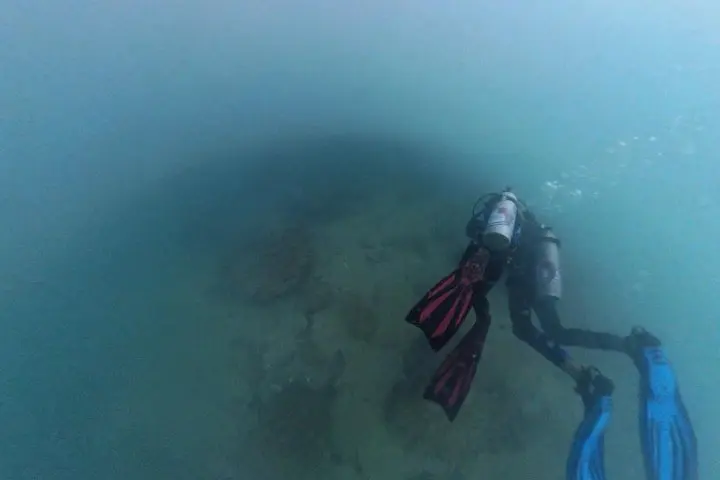
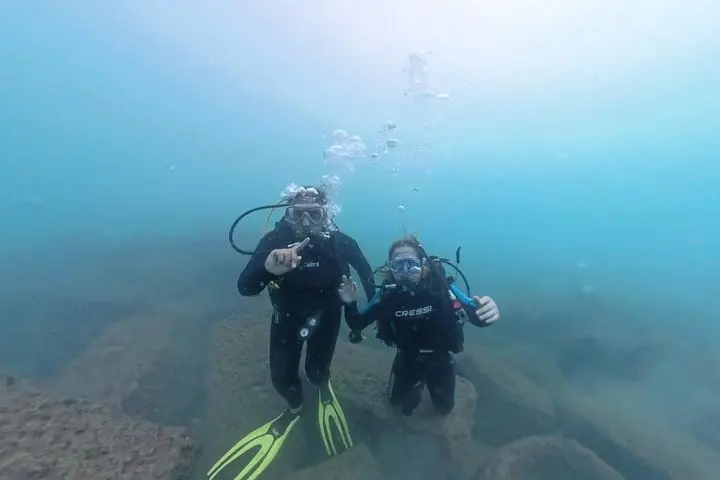
The ribs of the ancient city appear first in fragments — a column toppled on a silty slope, a carved block half-buried in brown sand — then whole statues loom as the dive light sweeps across them. You slip beneath the Mediterranean surface from a small dive boat in Alexandria's Eastern Port and the modern city noise blurs into the soft, continuous hiss of bubbles. At 5–7 meters (16–23 ft) depth, the ruins of Pharos Island and parts of Cleopatra’s palace sit within easy reach of an instructor, making this an archaeological dive that feels like reading a map of lost streets.
The ribs of the ancient city appear first in fragments — a column toppled on a silty slope, a carved block half-buried in brown sand — then whole statues loom as the dive light sweeps across them. You slip beneath the Mediterranean surface from a small dive boat in Alexandria's Eastern Port and the modern city noise blurs into the soft, continuous hiss of bubbles. At 5–7 meters (16–23 ft) depth, the ruins of Pharos Island and parts of Cleopatra’s palace sit within easy reach of an instructor, making this an archaeological dive that feels like reading a map of lost streets.
Alexandria was founded by Alexander the Great and grew into a Greco-Roman capital whose lighthouse — the Pharos — was one of the ancient world's marvels. The seabed here is a mix of sand and scattered masonry: columns, capitals, and carved stones from classical buildings. Local diving clubs operate with archaeological inspectors and permits to protect fragile remains, and the cultural interplay — Greek, Roman, Egyptian — shows in the shapes and materials you’ll see.
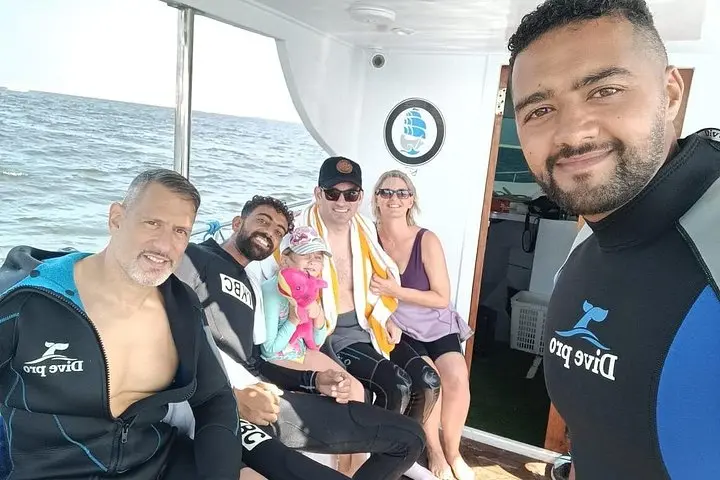
Practically, the day runs about six hours and includes two guided dives, full equipment, and a briefing. Expect short boat transfers, shallow dives suitable for novice-certified or first-time divers under supervision, and warm surface intervals on deck. Bring a logbook, sun protection, and seasickness meds if you’re prone; follow the guide’s rules about not touching artifacts and surface procedures. Timing is best in calm weather (summer mornings) when visibility improves. This trip pairs straightforward diving with the rare chance to swim through Alexandria’s submerged history.
Frequently asked questions
Beginners can usually join guided, supervised dives under an instructor; check with the operator about on-site introductory dive requirements.
Typical depths are 5–7 meters (16–23 ft) per the itinerary, with two shallow dives; bottom time will be guided and conservative for archaeological protection.
Full refund available if cancelled at least 24 hours before the scheduled departure time; no refund within 24 hours.
The operator notes wheelchair accessibility for some areas, but diving requires mobility for water entry and exit; infants are allowed on board but diving is for those meeting medical/age limits — confirm with the operator.
About This Experience
Egypt Tour Packages operates guided outdoor trips and adventures with an emphasis on safety, stewardship, and memorable experiences.
Adventure tips
Recommended gear
- Rash guard or thin wetsuit top: Protects against sun and light abrasion during shallow dives and boat transfers.
- Reef-safe sunscreen: Protects skin on deck while avoiding harm to marine life and archaeological materials.
- Motion-sickness tablets: Useful if you are prone to seasickness during the boat ride and transfers.
- Dive logbook or ID: Bring proof of dive experience if you have it and a logbook to record unique archaeological dives.
Photos of the experience
Related adventures & guides
Read the full experience
The ribs of the ancient city appear first in fragments — a column toppled on a silty slope, a carved block half-buried in brown sand — then whole statues loom as the dive light sweeps across them. You slip beneath the Mediterranean surface from a small dive boat in Alexandria's Eastern Port and the modern city noise blurs into the soft, continuous hiss of bubbles. At 5–7 meters (16–23 ft) depth, the ruins of Pharos Island and parts of Cleopatra’s palace sit within easy reach of an instructor, making this an archaeological dive that feels like reading a map of lost streets.
The ribs of the ancient city appear first in fragments — a column toppled on a silty slope, a carved block half-buried in brown sand — then whole statues loom as the dive light sweeps across them. You slip beneath the Mediterranean surface from a small dive boat in Alexandria's Eastern Port and the modern city noise blurs into the soft, continuous hiss of bubbles. At 5–7 meters (16–23 ft) depth, the ruins of Pharos Island and parts of Cleopatra’s palace sit within easy reach of an instructor, making this an archaeological dive that feels like reading a map of lost streets.
Alexandria was founded by Alexander the Great and grew into a Greco-Roman capital whose lighthouse — the Pharos — was one of the ancient world's marvels. The seabed here is a mix of sand and scattered masonry: columns, capitals, and carved stones from classical buildings. Local diving clubs operate with archaeological inspectors and permits to protect fragile remains, and the cultural interplay — Greek, Roman, Egyptian — shows in the shapes and materials you’ll see.
Practically, the day runs about six hours and includes two guided dives, full equipment, and a briefing. Expect short boat transfers, shallow dives suitable for novice-certified or first-time divers under supervision, and warm surface intervals on deck. Bring a logbook, sun protection, and seasickness meds if you’re prone; follow the guide’s rules about not touching artifacts and surface procedures. Timing is best in calm weather (summer mornings) when visibility improves. This trip pairs straightforward diving with the rare chance to swim through Alexandria’s submerged history.
Make a day of it nearby.
Verified experiences and guided adventures in the surrounding area.