THE ADVENTURE COLLECTIVE® · Independent discovery and booking for outdoor travel

Explore the upright HMNZS Canterbury in Deep Water Cove on a full-day dive charter out of Paihia. This advanced wreck offers prepared access points, penetration opportunities and variable conditions—ideal for experienced and technical divers.
Explore the upright HMNZS Canterbury in Deep Water Cove on a full-day dive charter out of Paihia. This advanced wreck offers prepared access points, penetration opportunities and variable conditions—ideal for experienced and technical divers.
The boat eases into the lee of Cape Brett and the water opens like a quiet, dark room below the surface. From the deck the Canterbury’s silhouette is visible in clear water—an intact frigate turned purpose-built wreck that invites experienced divers to explore decks, engine rooms and swim-throughs. Sea and light play across the steel; currents test your plan, kelp brushes like a hand on the hull.
Verified experiences and guided adventures in the surrounding area.
Operated by New Zealand Diving Ltd · Paihia, Northland
The boat eases into the lee of Cape Brett and the water opens like a quiet, dark room below the surface. From the deck the Canterbury’s silhouette is visible in clear water—an intact frigate turned purpose-built wreck that invites experienced divers to explore decks, engine rooms and swim-throughs. Sea and light play across the steel; currents test your plan, kelp brushes like a hand on the hull.
The Canterbury began life as a naval frigate and was later prepared and scuttled to create a training and recreational dive site. Geologically, Deep Water Cove sits along the rugged Northland coastline where ancient greywacke cliffs and submerged rock shelves channel tidal flows, producing variable visibility and surge in places. The area carries Māori and settler history tied to the wider Bay of Islands—landmarks and navigational hazards recorded in local oral histories and charts.
Expect a structured, full-day charter from Paihia or nearby harbors. The operator supplies single tanks and basic rental gear; tech kits and Nitrox are available for certified divers. Penetration of the Canterbury is possible through prepared access points but requires advanced buoyancy, good trim and certified wreck-diving skills. Plan for colder water, layered exposure protection, and decompression discipline: post-dive surface intervals, ascent rates and flying restrictions are enforced.
Practical tips: check tides and wind for calm entry, carry a delayed surface marker buoy for drift, and confirm certification and medical clearance before booking. For divers who relish structured wreck penetration and variable conditions, the Canterbury is a hands-on, demanding dive that rewards control, planning and respect for the ocean’s push.
You must provide proof of certification; deep and wreck-penetration credentials are required for outer deck and internal swims—check with the operator for minimum levels.
Yes—basic recreational gear and two single tanks are included; technical equipment, twin sets, sidemount and Nitrox are available to hire at extra cost.
No—do not fly within 18–24 hours after diving; follow the operator’s specific guidance and your dive computer recommendations.
Minimum age is 18 years; you must complete a medical declaration and some pre-existing conditions may require doctor sign-off before diving.
New Zealand Diving Ltd operates guided outdoor trips and adventures with an emphasis on safety, stewardship, and memorable experiences.
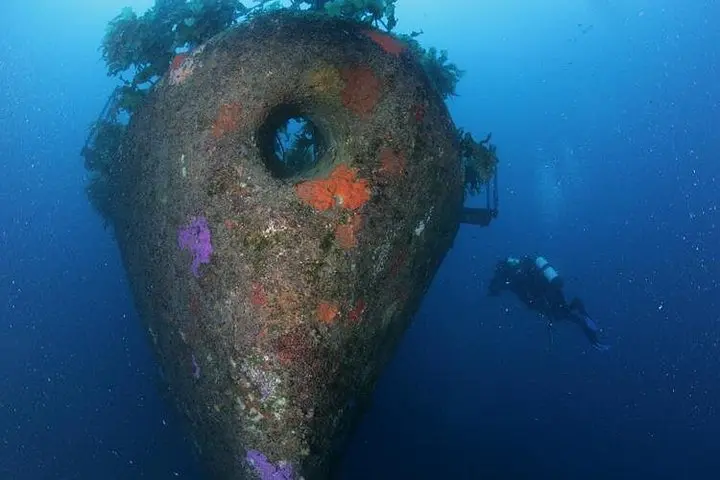
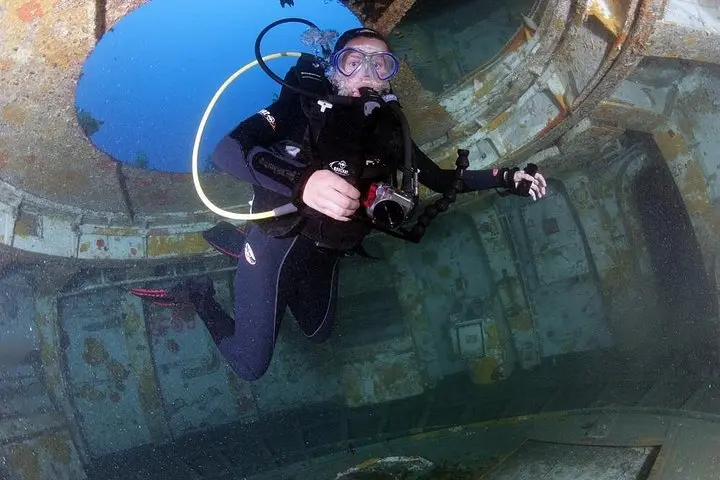
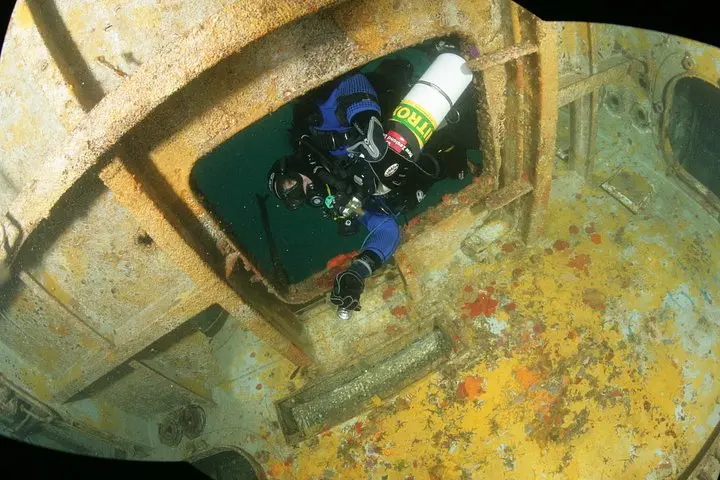
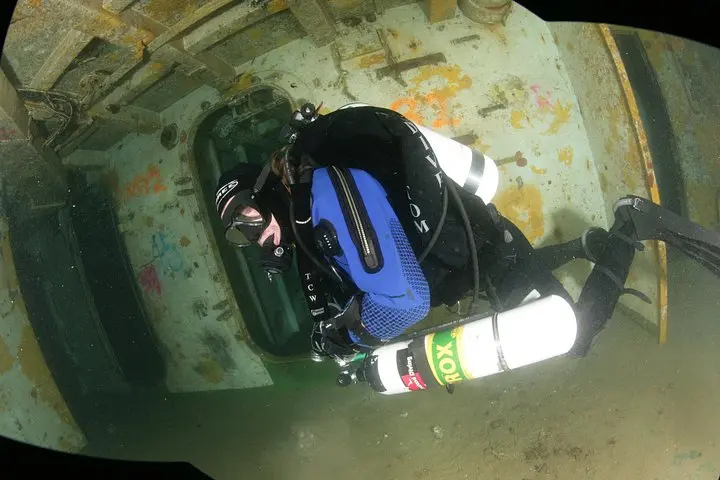
The boat eases into the lee of Cape Brett and the water opens like a quiet, dark room below the surface. From the deck the Canterbury’s silhouette is visible in clear water—an intact frigate turned purpose-built wreck that invites experienced divers to explore decks, engine rooms and swim-throughs. Sea and light play across the steel; currents test your plan, kelp brushes like a hand on the hull.
The boat eases into the lee of Cape Brett and the water opens like a quiet, dark room below the surface. From the deck the Canterbury’s silhouette is visible in clear water—an intact frigate turned purpose-built wreck that invites experienced divers to explore decks, engine rooms and swim-throughs. Sea and light play across the steel; currents test your plan, kelp brushes like a hand on the hull.
The Canterbury began life as a naval frigate and was later prepared and scuttled to create a training and recreational dive site. Geologically, Deep Water Cove sits along the rugged Northland coastline where ancient greywacke cliffs and submerged rock shelves channel tidal flows, producing variable visibility and surge in places. The area carries Māori and settler history tied to the wider Bay of Islands—landmarks and navigational hazards recorded in local oral histories and charts.
Expect a structured, full-day charter from Paihia or nearby harbors. The operator supplies single tanks and basic rental gear; tech kits and Nitrox are available for certified divers. Penetration of the Canterbury is possible through prepared access points but requires advanced buoyancy, good trim and certified wreck-diving skills. Plan for colder water, layered exposure protection, and decompression discipline: post-dive surface intervals, ascent rates and flying restrictions are enforced.
Practical tips: check tides and wind for calm entry, carry a delayed surface marker buoy for drift, and confirm certification and medical clearance before booking. For divers who relish structured wreck penetration and variable conditions, the Canterbury is a hands-on, demanding dive that rewards control, planning and respect for the ocean’s push.