THE ADVENTURE COLLECTIVE® · Independent discovery and booking for outdoor travel

A full‑day, guided journey from Seoul to the DMZ that includes the narrow, atmospheric 3rd Tunnel and optional stops—Gamaksan or Majang suspension bridges, or a boat ride on the Imjin River. Expect ID checks, short hikes, and powerful border views.
A full‑day, guided journey from Seoul to the DMZ that includes the narrow, atmospheric 3rd Tunnel and optional stops—Gamaksan or Majang suspension bridges, or a boat ride on the Imjin River. Expect ID checks, short hikes, and powerful border views.
You step off the coach into a zone where every concrete bunker and observation post feels like a paused conversation between two nations. Cold air slides over the line of watchtowers; the Imjin River dares you to look across where fields flatten into another country. This full‑day excursion from Seoul moves at a deliberate pace — ID checks, short walks and contained viewpoints — letting the landscape itself narrate decades of tension and hope.
Verified experiences and guided adventures in the surrounding area.
Operated by PLK TRAVEL · Paju, Gyeonggi-do
You step off the coach into a zone where every concrete bunker and observation post feels like a paused conversation between two nations. Cold air slides over the line of watchtowers; the Imjin River dares you to look across where fields flatten into another country. This full‑day excursion from Seoul moves at a deliberate pace — ID checks, short walks and contained viewpoints — letting the landscape itself narrate decades of tension and hope.
The 3rd Infiltration Tunnel, dug underground and discovered in 1978, is a stark piece of Cold War engineering: narrow, low and almost brutally functional. Nearby observatories and the Bridge of Freedom frame vistas toward Kaesong and the Gaeseong Industrial Complex, while stops like Mangbaedan altar and Unification Village offer civilian perspectives on a divided peninsula. Geologically, the DMZ follows low river valleys and rolling foothills; the terrain outside the military zones is a patchwork of rice paddies, pine ridges and reclaimed wetlands that now attract migratory birds.
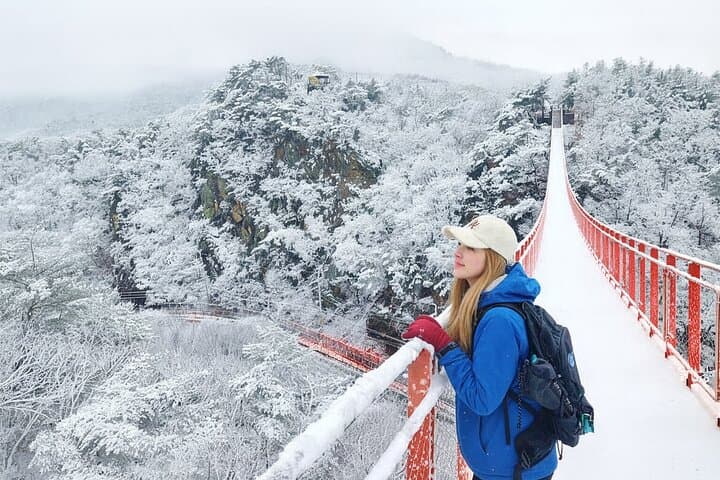
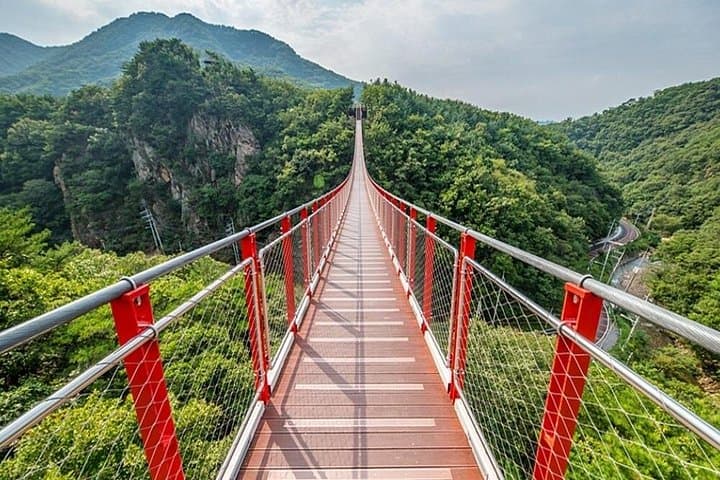
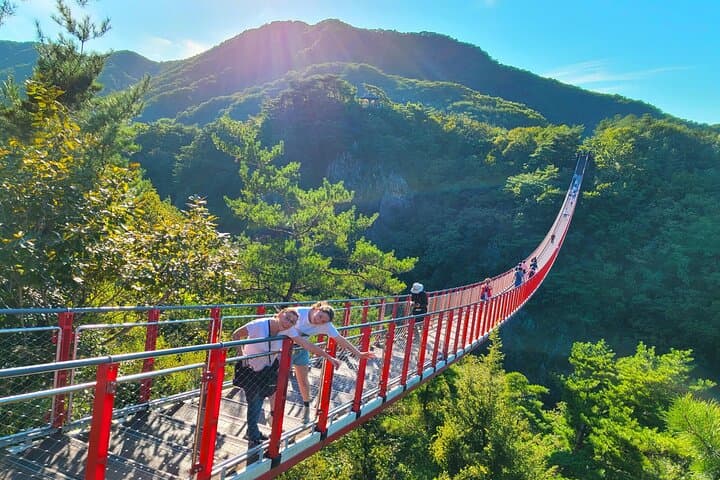
Practical guidance: carry your passport and arrive with moderate fitness — there’s a steep stair into the tunnel and short hikes to suspension bridges (Gamaksan is ~150 m long, ~15 min approach). Tours often last 6–9 hours with licensed guides and roundtrip transfers from Seoul; schedules can shift with military training, so plan flexibility into your day.
Timing matters: mornings are cooler for clear views, and quieter river sections reveal herons and waterfowl. Respect restricted zones, follow guide instructions, and bring layered clothing and sturdy shoes — the DMZ is both living history and an active landscape that rewards attentive travel.
Yes — a current valid passport is required on the day of travel for entry to the DMZ area.
Visitors should have moderate fitness; the tunnel has low ceilings and stair access, and the tour is not recommended for those with serious heart or spinal issues, or pregnant travelers.
Yes — military schedules, training, or weather can alter stops; guides will provide alternatives if sections are closed.
Photography rules vary by location; follow guide instructions and signage, as some areas restrict photography for security reasons.
PLK TRAVEL operates guided outdoor trips and adventures with an emphasis on safety, stewardship, and memorable experiences.
You step off the coach into a zone where every concrete bunker and observation post feels like a paused conversation between two nations. Cold air slides over the line of watchtowers; the Imjin River dares you to look across where fields flatten into another country. This full‑day excursion from Seoul moves at a deliberate pace — ID checks, short walks and contained viewpoints — letting the landscape itself narrate decades of tension and hope.
You step off the coach into a zone where every concrete bunker and observation post feels like a paused conversation between two nations. Cold air slides over the line of watchtowers; the Imjin River dares you to look across where fields flatten into another country. This full‑day excursion from Seoul moves at a deliberate pace — ID checks, short walks and contained viewpoints — letting the landscape itself narrate decades of tension and hope.
The 3rd Infiltration Tunnel, dug underground and discovered in 1978, is a stark piece of Cold War engineering: narrow, low and almost brutally functional. Nearby observatories and the Bridge of Freedom frame vistas toward Kaesong and the Gaeseong Industrial Complex, while stops like Mangbaedan altar and Unification Village offer civilian perspectives on a divided peninsula. Geologically, the DMZ follows low river valleys and rolling foothills; the terrain outside the military zones is a patchwork of rice paddies, pine ridges and reclaimed wetlands that now attract migratory birds.
Practical guidance: carry your passport and arrive with moderate fitness — there’s a steep stair into the tunnel and short hikes to suspension bridges (Gamaksan is ~150 m long, ~15 min approach). Tours often last 6–9 hours with licensed guides and roundtrip transfers from Seoul; schedules can shift with military training, so plan flexibility into your day.
Timing matters: mornings are cooler for clear views, and quieter river sections reveal herons and waterfowl. Respect restricted zones, follow guide instructions, and bring layered clothing and sturdy shoes — the DMZ is both living history and an active landscape that rewards attentive travel.