THE ADVENTURE COLLECTIVE® · Independent discovery and booking for outdoor travel

Spend a day moving from Seoul’s palaces to the edge of the Cold War: a compact, guided route through the DMZ’s observatories and tunnels, then back to Seoul’s cultural highlights. Expect security checks, short walks, and a full eight-hour schedule.
Spend a day moving from Seoul’s palaces to the edge of the Cold War: a compact, guided route through the DMZ’s observatories and tunnels, then back to Seoul’s cultural highlights. Expect security checks, short walks, and a full eight-hour schedule.
You step onto a minivan at a Seoul hotel lobby and the city’s concrete grid gives way to rice paddies and low ridgelines. Within an hour the road eases into Imjingak Park: rusting railcars, the Freedom Bridge, and a green slope that seems to watch the border. The view from Dora Observatory—binoculars pointed across a narrow no-man’s-land—brings the division into immediate, quiet focus.
Verified experiences and guided adventures in the surrounding area.
Operated by Kevin Hwang, Private Guide · Paju, Gyeonggi-do
You step onto a minivan at a Seoul hotel lobby and the city’s concrete grid gives way to rice paddies and low ridgelines. Within an hour the road eases into Imjingak Park: rusting railcars, the Freedom Bridge, and a green slope that seems to watch the border. The view from Dora Observatory—binoculars pointed across a narrow no-man’s-land—brings the division into immediate, quiet focus.
This combined itinerary threads modern Seoul with Cold War geography. The DMZ stops (3rd Tunnel, Dora Observatory, Dorasan Station, Unification Village) trace military strategy and the armistice that froze the peninsula in 1953. Back in central Seoul, Gyeongbokgung and Jogyesa contrast Joseon-era ritual and living Buddhism, while Insadong offers craft shops and teahouses that reveal daily culture.
Geologically the DMZ crosses gentle river plains cut by the Imjin River and small basalt ridges—terrain that informed wartime movement and today shapes vantage points. Dorasan Station stands as an engineered symbol of connection more than a functioning rail hub.
Practical guidance: carry your passport and arrive on time for the mandatory security check; photography and movement can be restricted at military sites. The day runs about eight hours with several short walks (uneven stone and paved paths around observatories and palace grounds). Wear supportive shoes, layered clothing for wind and shade, and bring water and a small snack—restaurants are limited during the DMZ portion. Guides coordinate entrance tickets and shuttle logistics; flexibility is essential, since access can change with military or local conditions.
Yes. An original passport is required for DMZ security screening; without it you will be denied entry to the DMZ portion.
Meals are not included; the tour may allow a short stop for food in Seoul but bring snacks for the DMZ shuttle segment.
Yes. Access to DMZ sites depends on military conditions; guides will substitute or rearrange stops if checkpoints or observatory access are closed.
Infants and small children can join, but expect walking and stairs; the operator lists the tour as not suitable for serious mobility, heart, or pregnancy-related conditions.
Kevin Hwang, Private Guide operates guided outdoor trips and adventures with an emphasis on safety, stewardship, and memorable experiences.
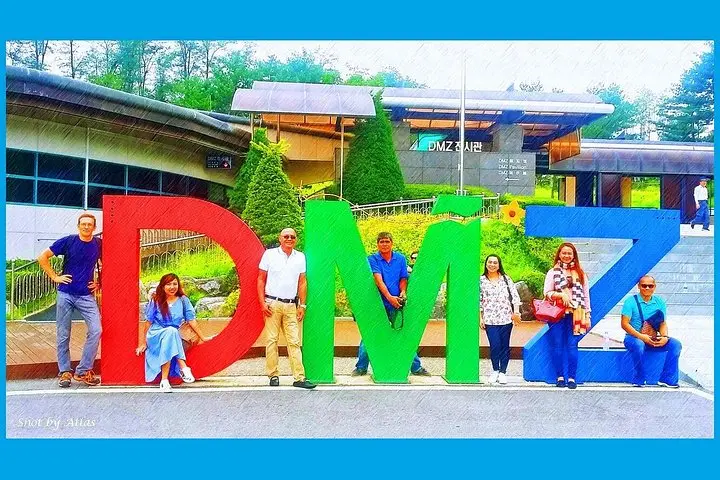
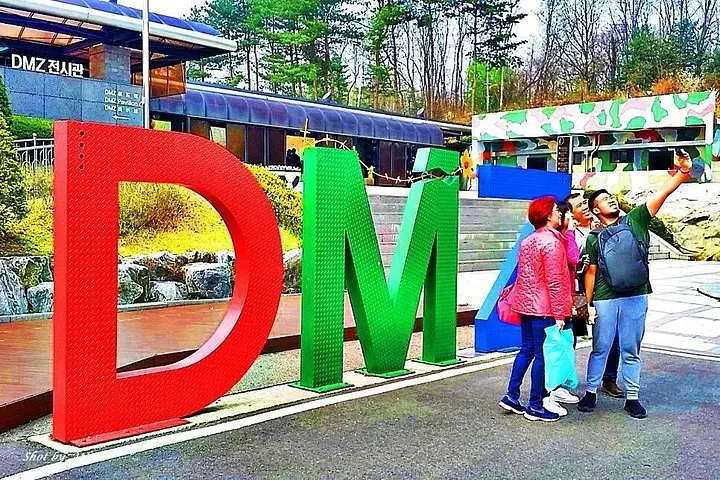
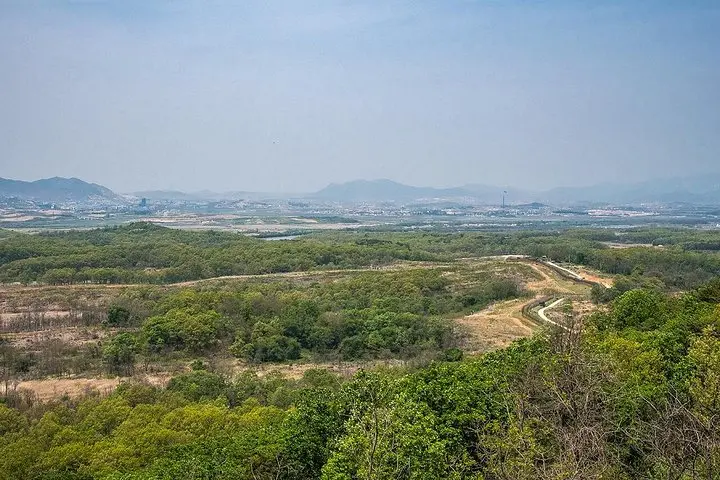

You step onto a minivan at a Seoul hotel lobby and the city’s concrete grid gives way to rice paddies and low ridgelines. Within an hour the road eases into Imjingak Park: rusting railcars, the Freedom Bridge, and a green slope that seems to watch the border. The view from Dora Observatory—binoculars pointed across a narrow no-man’s-land—brings the division into immediate, quiet focus.
You step onto a minivan at a Seoul hotel lobby and the city’s concrete grid gives way to rice paddies and low ridgelines. Within an hour the road eases into Imjingak Park: rusting railcars, the Freedom Bridge, and a green slope that seems to watch the border. The view from Dora Observatory—binoculars pointed across a narrow no-man’s-land—brings the division into immediate, quiet focus.
This combined itinerary threads modern Seoul with Cold War geography. The DMZ stops (3rd Tunnel, Dora Observatory, Dorasan Station, Unification Village) trace military strategy and the armistice that froze the peninsula in 1953. Back in central Seoul, Gyeongbokgung and Jogyesa contrast Joseon-era ritual and living Buddhism, while Insadong offers craft shops and teahouses that reveal daily culture.
Geologically the DMZ crosses gentle river plains cut by the Imjin River and small basalt ridges—terrain that informed wartime movement and today shapes vantage points. Dorasan Station stands as an engineered symbol of connection more than a functioning rail hub.
Practical guidance: carry your passport and arrive on time for the mandatory security check; photography and movement can be restricted at military sites. The day runs about eight hours with several short walks (uneven stone and paved paths around observatories and palace grounds). Wear supportive shoes, layered clothing for wind and shade, and bring water and a small snack—restaurants are limited during the DMZ portion. Guides coordinate entrance tickets and shuttle logistics; flexibility is essential, since access can change with military or local conditions.