THE ADVENTURE COLLECTIVE® · Independent discovery and booking for outdoor travel

A structured, full‑day DMZ tour from Seoul that visits Imjingak Peace Park, Dora Observatory and the Third Tunnel—an intense, historically charged look at Korea’s divided border with clear practical guidance for travelers.
A structured, full‑day DMZ tour from Seoul that visits Imjingak Peace Park, Dora Observatory and the Third Tunnel—an intense, historically charged look at Korea’s divided border with clear practical guidance for travelers.
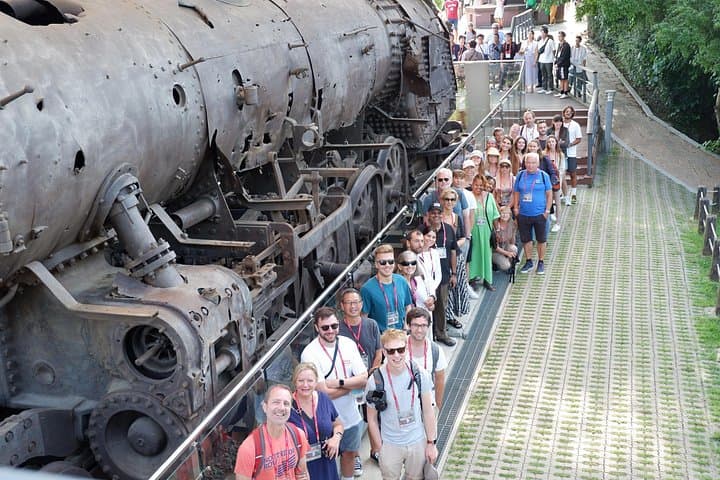
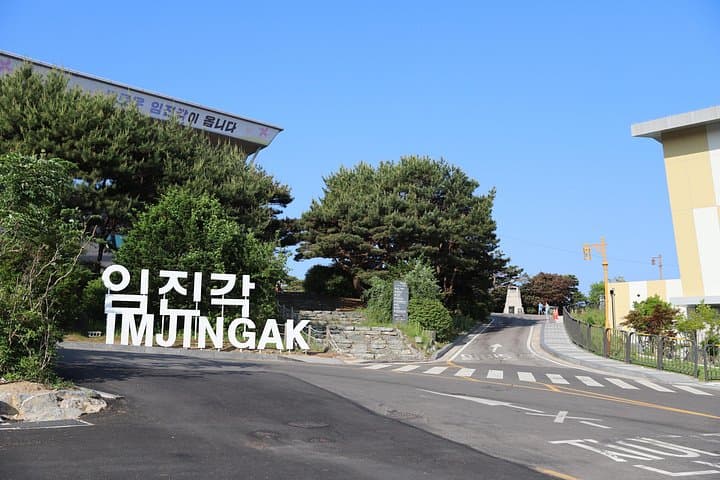
You step off an air‑conditioned coach into the open space of Imjingak Peace Park, where flags flap and the wind seems to push you toward the Freedom Bridge and the stone memorials that mark a divided nation.
Verified experiences and guided adventures in the surrounding area.
Operated by I Love Seoul Tour · Paju, Gyeonggi-do
You step off an air‑conditioned coach into the open space of Imjingak Peace Park, where flags flap and the wind seems to push you toward the Freedom Bridge and the stone memorials that mark a divided nation.
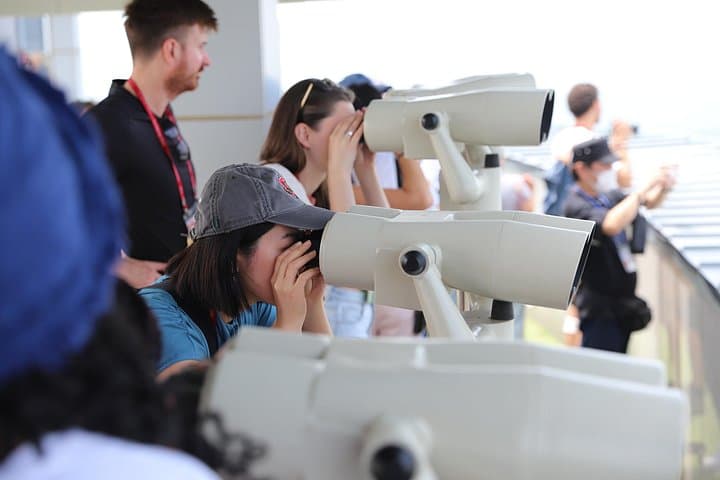
The route moves with precise, military rhythm: Mangbaedan’s offering stones, the Bridge of Freedom, then up to Dora Observatory, where, weather permitting, binoculars cut a hole through distance and you can pick out fields, statues and clustered roofs on the other side. The narrative here is recent—post‑1953 geopolitics carved the DMZ into a controlled border and a public mirror of the Cold War—while the land beneath is older, river plains shaped by the Imjin River and seasonal floods.
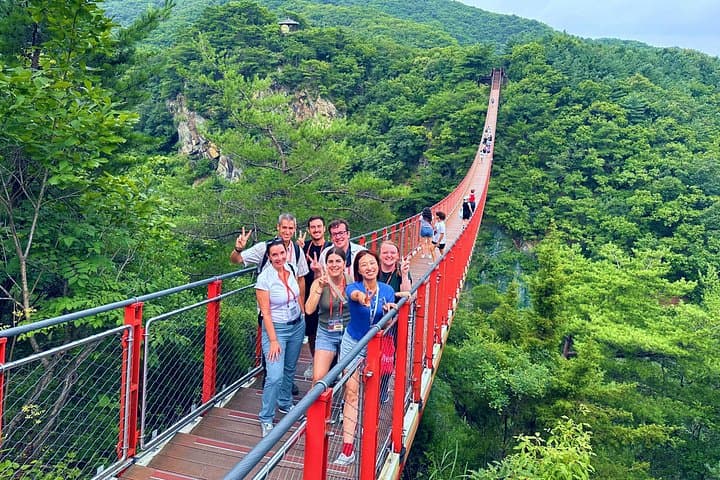
A highlight is the Third Tunnel, a claustrophobic engineered corridor discovered in 1978 that reveals the scale of strategic planning on both sides. Optional stops like Gamaksan’s Chulleong Bridge add battlefield memory: narrow suspension spans and plaques that mark the cost of 1951 engagements.
Practical guidance: carry your passport and wear sturdy, closed‑toe shoes—tunnels are uneven and observatory platforms can be windy. Expect security checks, fixed entry times and occasional itinerary changes when military activity demands it. Hydrate, layer for changing temperatures, and bring a small lens or binoculars for distant details; telescopes at Dora are shared and weather‑dependent. Tours run as full‑day excursions from central Seoul and return by late afternoon—book early for peak seasons and leave time afterward to process what you’ve seen.
Yes. A current passport is mandatory for everyone on the tour and must be presented on the day.
Yes—on clear days you can see North Korean buildings and farmland through public telescopes; visibility is weather dependent.
The tunnel is narrow and low in places; travelers with severe claustrophobia or limited mobility should skip this section.
Schedules can be altered or parts canceled without prior notice; guides will provide alternatives when available but refunds depend on operator policy.
I Love Seoul Tour operates guided outdoor trips and adventures with an emphasis on safety, stewardship, and memorable experiences.
You step off an air‑conditioned coach into the open space of Imjingak Peace Park, where flags flap and the wind seems to push you toward the Freedom Bridge and the stone memorials that mark a divided nation.
You step off an air‑conditioned coach into the open space of Imjingak Peace Park, where flags flap and the wind seems to push you toward the Freedom Bridge and the stone memorials that mark a divided nation.
The route moves with precise, military rhythm: Mangbaedan’s offering stones, the Bridge of Freedom, then up to Dora Observatory, where, weather permitting, binoculars cut a hole through distance and you can pick out fields, statues and clustered roofs on the other side. The narrative here is recent—post‑1953 geopolitics carved the DMZ into a controlled border and a public mirror of the Cold War—while the land beneath is older, river plains shaped by the Imjin River and seasonal floods.
A highlight is the Third Tunnel, a claustrophobic engineered corridor discovered in 1978 that reveals the scale of strategic planning on both sides. Optional stops like Gamaksan’s Chulleong Bridge add battlefield memory: narrow suspension spans and plaques that mark the cost of 1951 engagements.
Practical guidance: carry your passport and wear sturdy, closed‑toe shoes—tunnels are uneven and observatory platforms can be windy. Expect security checks, fixed entry times and occasional itinerary changes when military activity demands it. Hydrate, layer for changing temperatures, and bring a small lens or binoculars for distant details; telescopes at Dora are shared and weather‑dependent. Tours run as full‑day excursions from central Seoul and return by late afternoon—book early for peak seasons and leave time afterward to process what you’ve seen.