THE ADVENTURE COLLECTIVE® · Independent discovery and booking for outdoor travel

A full-day excursion from Seoul that pairs Cold War history with river-cliff scenery: descend the Second Infiltration Tunnel, scan North Korean guard posts from observatories, and finish with sweeping views of the Hantangang Y-Bridge. Expect a structured, guide-led day with moderate walking and strong historical context.
A full-day excursion from Seoul that pairs Cold War history with river-cliff scenery: descend the Second Infiltration Tunnel, scan North Korean guard posts from observatories, and finish with sweeping views of the Hantangang Y-Bridge. Expect a structured, guide-led day with moderate walking and strong historical context.
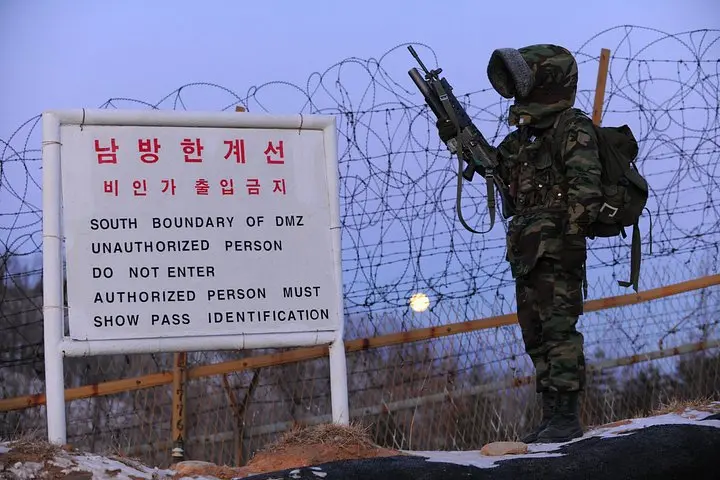
You step off the coach into a wind that seems to carry history—the flat river plain stretched ahead, cliffs folding into the Hantan River while the Y-shaped bridge arches like a modern signpost. The drive from Seoul unfurls rice paddies and fenced fields; arrival at the DMZ feels sudden and controlled: checkpoints, observatories, and the hush of a place where borders are visible and stories are raw.
Verified experiences and guided adventures in the surrounding area.
Operated by TRIPPER KOREA · Cheorwon, Gangwon-do
You step off the coach into a wind that seems to carry history—the flat river plain stretched ahead, cliffs folding into the Hantan River while the Y-shaped bridge arches like a modern signpost. The drive from Seoul unfurls rice paddies and fenced fields; arrival at the DMZ feels sudden and controlled: checkpoints, observatories, and the hush of a place where borders are visible and stories are raw.
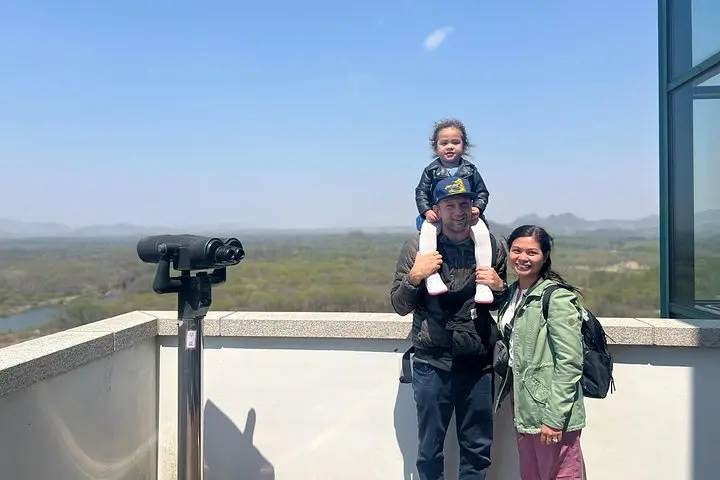
The Second Infiltration Tunnel, discovered in 1975, was a clandestine excavation tunneled toward Seoul; descending its damp corridor gives a tangible sense of Cold War engineering and the peninsula’s divided geography. Nearby, the Peace Observatory frames North Korean guard posts across a shredded horizon. Cheorwon’s volcanic rock and river terraces around the Hantangang create dramatic cliffs where geology and history meet—ancient basalt columns cut by a modern boundary.
Local culture here is braided with memory: bullet-scarred walls at the former Labor Party office, simple bibimbap lunches that emphasize seasonal vegetables, and small museums that translate conflict into civic memory.
Practical guidance: tours run as full-day outings from Seoul (about 10–11 hours), require a passport for entry to DMZ zones, and ask for moderate fitness—expect short walks, stairs down into the tunnel, and outdoor observatory time. Wear closed-toe shoes, bring layers against riverside wind, and carry water; photography is allowed in some places but restricted at others. Travel with a licensed guide, follow instructions near military areas, and treat the landscape and its stories with care—this is both an outdoor outing and a lesson in modern geopolitics.
Yes — a valid passport is required for entry through DMZ checkpoints and must be carried for inspection.
Yes — observatories and the Peace Observatory offer direct views across the border; what you can see depends on visibility and restrictions on photography.
The tunnel descent involves stairs and low-ceilinged passages; travelers should be steady on their feet and comfortable with confined, damp spaces.
Lunch (bibimbap) and round-trip transport from Seoul are included, as are admission fees listed in the itinerary.
TRIPPER KOREA operates guided outdoor trips and adventures with an emphasis on safety, stewardship, and memorable experiences.
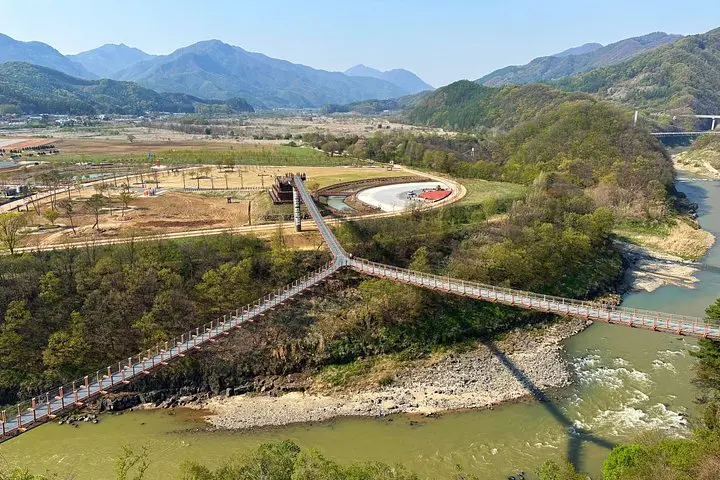
You step off the coach into a wind that seems to carry history—the flat river plain stretched ahead, cliffs folding into the Hantan River while the Y-shaped bridge arches like a modern signpost. The drive from Seoul unfurls rice paddies and fenced fields; arrival at the DMZ feels sudden and controlled: checkpoints, observatories, and the hush of a place where borders are visible and stories are raw.
You step off the coach into a wind that seems to carry history—the flat river plain stretched ahead, cliffs folding into the Hantan River while the Y-shaped bridge arches like a modern signpost. The drive from Seoul unfurls rice paddies and fenced fields; arrival at the DMZ feels sudden and controlled: checkpoints, observatories, and the hush of a place where borders are visible and stories are raw.
The Second Infiltration Tunnel, discovered in 1975, was a clandestine excavation tunneled toward Seoul; descending its damp corridor gives a tangible sense of Cold War engineering and the peninsula’s divided geography. Nearby, the Peace Observatory frames North Korean guard posts across a shredded horizon. Cheorwon’s volcanic rock and river terraces around the Hantangang create dramatic cliffs where geology and history meet—ancient basalt columns cut by a modern boundary.
Local culture here is braided with memory: bullet-scarred walls at the former Labor Party office, simple bibimbap lunches that emphasize seasonal vegetables, and small museums that translate conflict into civic memory.
Practical guidance: tours run as full-day outings from Seoul (about 10–11 hours), require a passport for entry to DMZ zones, and ask for moderate fitness—expect short walks, stairs down into the tunnel, and outdoor observatory time. Wear closed-toe shoes, bring layers against riverside wind, and carry water; photography is allowed in some places but restricted at others. Travel with a licensed guide, follow instructions near military areas, and treat the landscape and its stories with care—this is both an outdoor outing and a lesson in modern geopolitics.