THE ADVENTURE COLLECTIVE® · Independent discovery and booking for outdoor travel

A full‑day, guided visit from Seoul that moves from Imjingak Park and the Freedom Bridge to the Dora Observatory and either the 3rd or 2nd infiltration tunnel. Optional gondola, suspension bridge, and a first‑hand defector talk add personal context to the geopolitical landscape.
A full‑day, guided visit from Seoul that moves from Imjingak Park and the Freedom Bridge to the Dora Observatory and either the 3rd or 2nd infiltration tunnel. Optional gondola, suspension bridge, and a first‑hand defector talk add personal context to the geopolitical landscape.
You step off the air‑conditioned minibus into a cold wind that seems to carry history — Imjingak Park’s rusted railcars and the Freedom Bridge framing a river that dares visitors to imagine lines on a map. From there the tour threads through checkpoints and quiet border fields to the Dora Observatory, where binoculars peer across a paced, militarized landscape and the DMZ’s tension feels almost tactile.
Verified experiences and guided adventures in the surrounding area.
Operated by Korea Time Tour · Paju, Gyeonggi-do
You step off the air‑conditioned minibus into a cold wind that seems to carry history — Imjingak Park’s rusted railcars and the Freedom Bridge framing a river that dares visitors to imagine lines on a map. From there the tour threads through checkpoints and quiet border fields to the Dora Observatory, where binoculars peer across a paced, militarized landscape and the DMZ’s tension feels almost tactile.
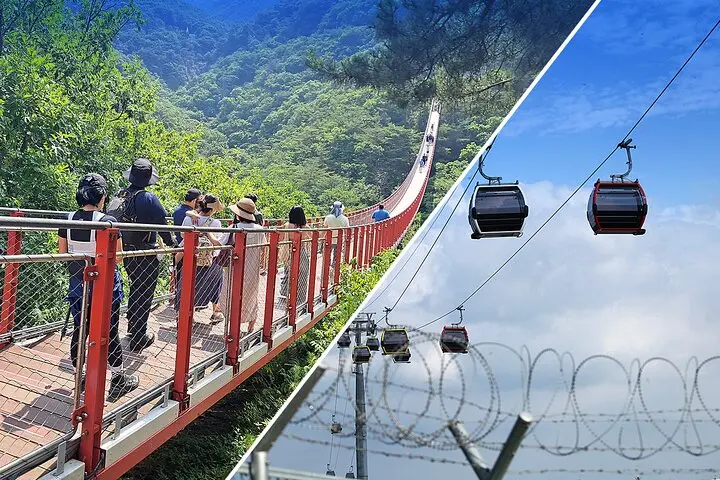
The route follows the aftermath of the 1953 armistice: observation posts, infiltration tunnels bored under barbed wire, and memorials left by families divided by the Korean War. Geologically the area is low rolling hills cut by the Imjin River; Gamaksan’s granite ribs form the valley where the swinging suspension bridge offers a raw, wind‑swept vantage. Cultural stops such as Unification Village and the Mangbaedan at Imjingak underline civilian memory and longing as much as military history.
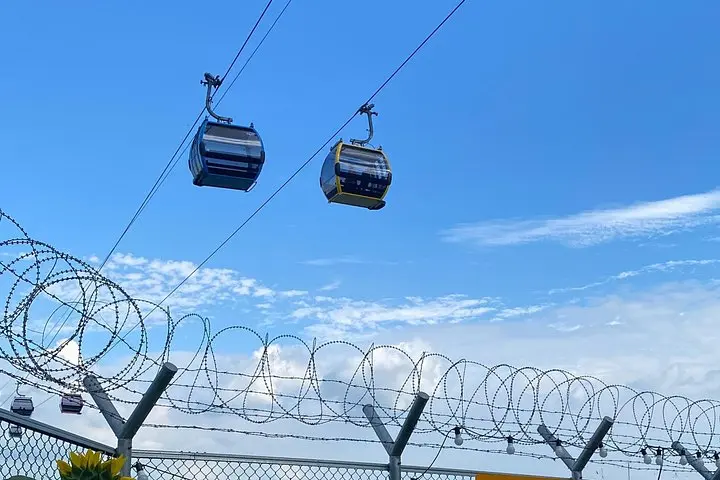
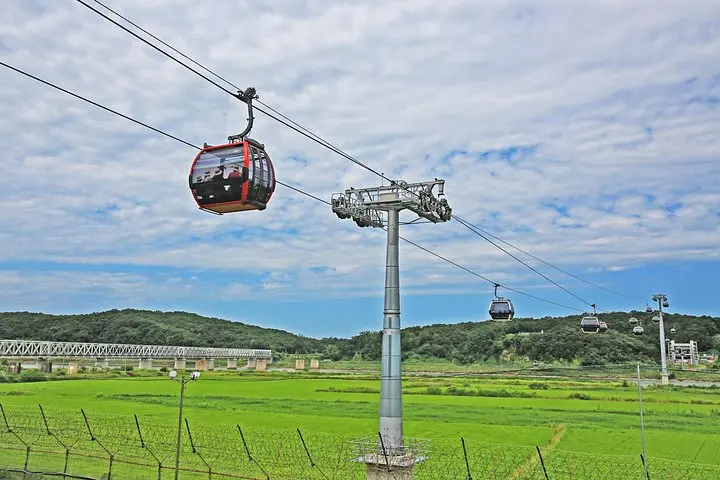
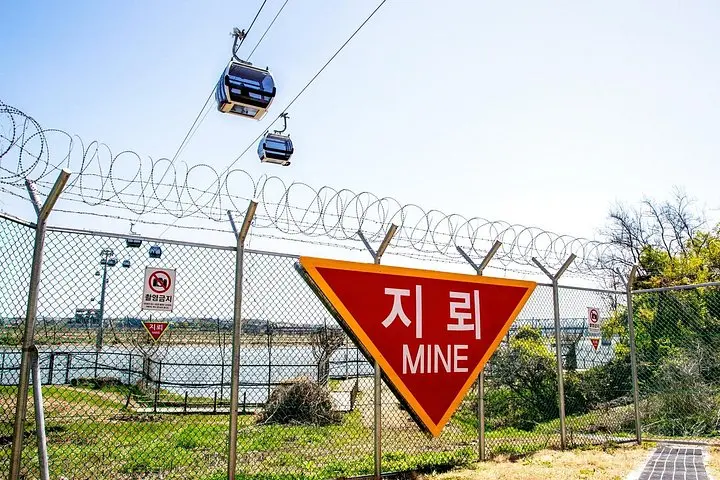
Expect layered storytelling — a guide’s briefing, a walk into a tunnel (requires moderate mobility), binocular views into the North, and optional local encounters such as a gondola over the Imjin or a first‑hand talk by a North Korean defector. Practicalities matter: bring your passport, allow 7–11 hours including transfers from Seoul, and follow all security instructions; sites can close for political or weather reasons. Footwear with good grip, a warm layer and a reusable water bottle will keep you comfortable through stairways, observation decks and the short hikes to viewpoints. The tour is immersive and controlled: it places you at the edge of one of the world’s most watched borders while keeping safety and respect at the center of the experience.
Yes — every participant, including infants, must present a valid passport with at least six months’ validity to pass checkpoint procedures.
On clear days you can see North Korean territory from Dora Observatory and other observation points, but visibility depends on weather and specific viewing restrictions.
The tour is family‑friendly overall, but access to tunnels involves stairs and some walking; those with serious heart, back, or leg conditions may be restricted from the 3rd tunnel.
Yes — visits can be altered or cancelled due to political situations or extreme weather; operators will reschedule or refund if sites are closed.
Korea Time Tour operates guided outdoor trips and adventures with an emphasis on safety, stewardship, and memorable experiences.
You step off the air‑conditioned minibus into a cold wind that seems to carry history — Imjingak Park’s rusted railcars and the Freedom Bridge framing a river that dares visitors to imagine lines on a map. From there the tour threads through checkpoints and quiet border fields to the Dora Observatory, where binoculars peer across a paced, militarized landscape and the DMZ’s tension feels almost tactile.
You step off the air‑conditioned minibus into a cold wind that seems to carry history — Imjingak Park’s rusted railcars and the Freedom Bridge framing a river that dares visitors to imagine lines on a map. From there the tour threads through checkpoints and quiet border fields to the Dora Observatory, where binoculars peer across a paced, militarized landscape and the DMZ’s tension feels almost tactile.
The route follows the aftermath of the 1953 armistice: observation posts, infiltration tunnels bored under barbed wire, and memorials left by families divided by the Korean War. Geologically the area is low rolling hills cut by the Imjin River; Gamaksan’s granite ribs form the valley where the swinging suspension bridge offers a raw, wind‑swept vantage. Cultural stops such as Unification Village and the Mangbaedan at Imjingak underline civilian memory and longing as much as military history.
Expect layered storytelling — a guide’s briefing, a walk into a tunnel (requires moderate mobility), binocular views into the North, and optional local encounters such as a gondola over the Imjin or a first‑hand talk by a North Korean defector. Practicalities matter: bring your passport, allow 7–11 hours including transfers from Seoul, and follow all security instructions; sites can close for political or weather reasons. Footwear with good grip, a warm layer and a reusable water bottle will keep you comfortable through stairways, observation decks and the short hikes to viewpoints. The tour is immersive and controlled: it places you at the edge of one of the world’s most watched borders while keeping safety and respect at the center of the experience.